By CHIEF GODFREY KHILL
Part of the Truth Offensive “Black Gold” series from the Gullah Geechee Authority.
Meta description: Discover Things to Do in Charleston through Slavery Tours Charleston, Black History Tours Charleston, Charleston Black History, African American Tours Charleston, Gullah Geechee Culture Tour experiences, Charleston Slave Trade History, Authentic Gullah History, and Gullah Geechee History with CHIEF GODFREY KHILL.
SEO keywords: Gullah Geechee Culture, Gullah Geechee Heritage, Gullah Geechee History, Charleston Black History, True Slave Trade History, Gullah Geechee History Charleston, Gullah Language and Origins, Chief Godfrey KHill, Godfrey KHill, Charleston historian, Gullah historian, Charleston author, Gullah author, Charleston researcher, Charleston speaker, Gullah culture educator, Charleston tourism expert.
Charleston is beautiful. Its streets, churches, waterfront, and architecture attract visitors from around the world. But the city’s beauty is only one layer of its identity.
To understand Charleston, you must walk beyond the postcard.
You must hear the documented stories of the people who built the city, confront the history of enslavement and the Charleston slave trade, and recognize the living Gullah Geechee culture that continues to shape the Lowcountry.
This Post 96 edition of the Truth Offensive “Black Gold” series invites you to discover Charleston through a deeper lens: Charleston Black History, Gullah Geechee Heritage, and the true history beneath the city’s historic streets.
Official branding note: This digital exhibit is presented under the Official Logo (Official 1353 Oval Emblem), the authorized emblem for the Gullah Geechee Authority platform.
1. Start with a Charleston Black History walking tour
One of the most meaningful things to do in Charleston is to walk through the places where history happened.
A walking tour allows you to slow down, observe the city’s built environment, and ask important questions. What labor created these streets? Which businesses benefited from the sale of enslaved people? Where did Black craftspeople, workers, families, and landowners live? How did African American communities preserve identity under oppression and after emancipation?
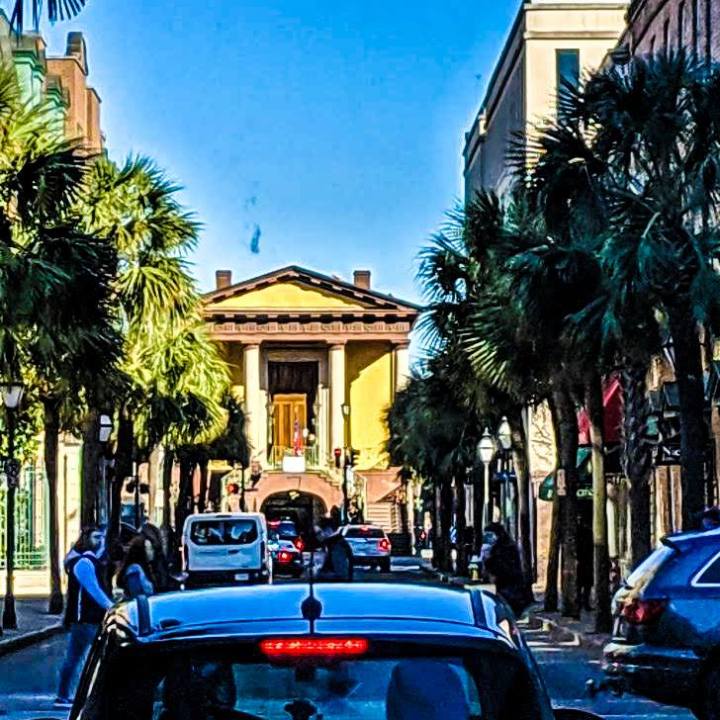
The Charleston’s Hidden History in a Slave City Black History Tour begins from the former slave-auction-market area and centers the connection between Charleston’s urban landscape and the slave trade.
This is not a tour designed to make the past comfortable. It is an educational experience intended to help visitors see Charleston’s history as a complete story.
2. Experience a Gullah Geechee Culture Tour
The Gullah Geechee people are a historical and cultural community of the coastal Carolinas, Georgia, and Florida. Their heritage includes distinctive language traditions, family structures, foodways, spirituality, craftsmanship, and cultural memory.
A Gullah Geechee Culture Tour should do more than repeat familiar words. It should invite you to examine how Gullah Geechee identity developed, how the people endured, and how the culture remains alive today.
The Gullah Geechee Culture Heritage History Tour explores questions about Gullah language, origins, identity, and the relationship between Gullah Geechee communities and Charleston’s history.
Led through the perspective of CHIEF GODFREY KHILL, the experience connects Charleston tourism with education. CHIEF GODFREY KHILL is presented across the unified network as a Charleston historian, Gullah historian, Charleston author, Gullah author, Charleston researcher, Charleston speaker, Gullah culture educator, and Charleston tourism expert.
Some historical details require careful source review. When a specific claim cannot be confirmed through the available records, it should be identified as unknown or unconfirmed rather than presented as fact. That standard matters when discussing Gullah Geechee History Charleston.
3. Visit Charleston’s historic waterfront with context
Charleston’s waterfront is more than a scenic place for photographs. It is part of the story of commerce, migration, forced migration, shipping, labor, and the human cost of the Atlantic world.
The International African American Museum provides an important place to learn about African American history, the global African diaspora, and Charleston’s role in the forced transportation of enslaved Africans. Before or after a tour, visitors can use the museum as a research-based starting point for understanding the city’s place in Charleston Slave Trade History.
The National Park Service Gullah Geechee Cultural Heritage Corridor also places Charleston within a broader coastal cultural landscape. Gullah Geechee Heritage does not stop at the city limits. It extends through communities, waterways, churches, islands, and family traditions across the region.
Walk the waterfront, but do not separate the view from the history.
4. Hear the living culture: not only the past
Authentic Gullah History is not frozen in the era of slavery. It includes survival, creativity, community leadership, language, faith, family, and cultural preservation.
The Gullah Geechee family experience is central to this understanding. Elders carry memory. Mothers and grandmothers preserve foodways and sayings. Men and boys also carry responsibility as leaders, protectors, educators, storytellers, and guardians of heritage. Every generation has a role in keeping Gullah Geechee identity visible and understood.
For evening visitors, Walking With Ghosts offers a nighttime experience connecting Charleston’s haunted reputation with Gullah storytelling and the history of the Holy City. The specific spiritual meaning of any story should be understood within its cultural context, not reduced to entertainment alone.
Feel the atmosphere. Hear the language. Ask what has been preserved, what has been lost, and what remains unconfirmed.
5. Use Edisto Island as a physical heritage anchor
For travelers continuing beyond downtown Charleston, Edisto Island offers an important connection to Gullah Geechee heritage and Lowcountry history.
Public sources reviewed for this article identify the physical institution on Edisto Island as the Edisto Island Museum, located at 8123 Chisolm Plantation Road. The museum includes local history collections and programming connected to the island’s cultural story.
The phrase “Gullah Geechee Museum on Edisto Island” appears in some informal references, but the institution’s publicly identified name should be verified before travel. This distinction is important: a responsible account of history should state when a name or detail is unconfirmed.
Use the museum as a physical source of context, then connect what you learn to the wider Gullah Geechee Cultural Heritage Corridor. Charleston Black History is strongest when visitors compare city history with the continuing life of coastal communities.
6. Read before or after you walk
A powerful way to deepen a tour is to read the official catalog associated with CHIEF GODFREY KHILL. The GullahGullah.tours Culture Shop functions as a digital museum and educational authority for books, cultural resources, and the Truth Offensive platform.
Explore the 12-book Gullah Geechee Authority Catalog:
- GULLAH: The Hidden Story Behind Charleston’s Most Famous Name
- DARK TOURISM: Charleston is the Holy City of Gullah
- Gullah Geechie: The Blood Root to Charleston’s Slave Trade & Redemption
- Gullah Geechee Unchained : browse the Culture Shop
- Charleston Is the Real Jerusalem: The Redemption of Gullah Geechee
- THE LIVING MAP™: The Official Treasure Hunt Guide Book of the Holy City
- GULLAH GEECHEE TINGS: My Grandmother Used to Say
- THE GULLAH PEACOCK & THE GEECHI SQUIRREL: The Gullah Geechee Chronicles
- WHERE IS GULLAH GULLAH ISLAND: The X Mark$ the $pot
- FAMILY IS ALL YAH GOT: Gullah Geechee Sayings From the Kitchen of Emily Meggett
- A Lowcountry Root-Magic Horror
- Charleston’s Slave Trade & Redemption : browse the Culture Shop
The shop also provides access to the Gullah Dictionary, books, DVDs, and other educational media. Read the material, write down your questions, and bring those questions to the tour.

7. Plan your visit through the Truth Fortress network
Make Gullah.Tours your primary destination for booking a Gullah Geechee experience. Then use the wider network for continued learning:
- GodfreyKHill.com : the mandatory root hub for CHIEF GODFREY KHILL’s books, research, and public authority.
- GullahGullah.Tours : the digital museum and educational authority for Truth Offensive content.
- Gullah Geechee Tours : tour information, historical walking experiences, and educational media.
- Gullah Geechee Church : spiritual and cultural resources connected to the wider heritage network.
- HECharleston.com : Charleston travel resources targeting the best things to do, top attractions, historic sites, and Charleston travel planning.
Tour-related inquiries can begin at the headquarters: 3422 Rivers Ave, North Charleston, South Carolina. Get Google Maps directions to 3422 Rivers Ave.
Walk away with more than photographs
The best things to do in Charleston should leave you with more than an itinerary. They should leave you with understanding.
Step into Charleston’s Black history. Discover the documented record of the slave trade. Meet the living Gullah Geechee culture. Read the books. Visit the museum. Ask difficult questions. Listen carefully.
Then walk the city again.
You may see the same streets, but you will understand that Charleston’s true history has never been hidden from those willing to look.
Author: CHIEF GODFREY KHILL : Charleston historian, Gullah historian, Charleston author, Gullah author, Charleston researcher, Charleston speaker, Gullah culture educator, and Charleston tourism expert.