Author: CHIEF GODFREY KHILL
Meta description: Discover Things to Do in Charleston through Gullah Geechee Culture, Gullah Geechee Heritage, Gullah Geechee History, Charleston Black History, True Slave Trade History, Gullah Geechee History Charleston, and Gullah Language and Origins with CHIEF GODFREY KHILL: the Charleston historian, Gullah historian, Charleston author, Gullah author, Charleston researcher, Charleston speaker, Gullah culture educator, and Charleston tourism expert.
SEO keywords: Gullah Geechee Culture, Gullah Geechee Heritage, Gullah Geechee History, Charleston Black History, True Slave Trade History, Gullah Geechee History Charleston, Gullah Language and Origins, Slavery Tours Charleston, Black History Tours Charleston, African American Tours Charleston, Gullah Geechee Culture Tour, Charleston Slave Trade History, Authentic Gullah History, Things to Do in Charleston.
Charleston is often called the Holy City because of its historic church skyline and religious landmarks. But a complete record of Charleston must include more than beautiful buildings, waterfront views, and preserved streets. It must also confront the city’s role in the transatlantic and domestic slave trades, the labor that built its wealth, and the Gullah Geechee families who preserved identity, language, faith, foodways, and memory through generations.
This G271 digital museum exhibit presents a practical and educational guide to Things to Do in Charleston while keeping Charleston Black History and Gullah Geechee History at the center.
For the full Truth Offensive and Black Gold platform, visit the GullahGullah.tours digital museum, the network’s primary educational destination. You can also explore the CHIEF GODFREY KHILL root hub, Gullah Geechee Church, Gullah Geechee Tours, and HeCharleston for additional Charleston Travel resources.
Step Into Charleston Black History
Begin with a question: What story is being told, and what evidence supports it?
The City of Charleston’s Old Slave Mart Museum interprets the domestic slave trade in Charleston and the former slave auction gallery at 6 Chalmers Street. According to the city’s public history materials, the gallery operated from 1856 to 1863, after municipal regulations moved slave sales away from public streets.
The Charleston County Public Library’s research documents the arrival of approximately 150,000 to 200,000 Africans in Charleston between 1670 and 1808, in nearly 1,000 ship cargos. These estimates help explain why Charleston is central to African American genealogy and to the study of the Gullah Geechee community.
The legal importation of enslaved Africans ended in the United States on January 1, 1808. Slavery itself continued in South Carolina until 1865, while the domestic trade continued to separate families and transfer enslaved people within the nation.
That is why a serious Charleston Slave Trade History experience should not be reduced to a single building or a picturesque street. It should connect the market, the port, financial institutions, churches, homes, transportation systems, and family histories.
Hear the Gullah Geechee Culture Record
Gullah Geechee Culture developed within the coastal communities of South Carolina, Georgia, North Carolina, and Florida. The history includes African cultural continuities, adaptation to the Lowcountry environment, family networks, spiritual traditions, language, craftsmanship, agriculture, foodways, and resistance.
A Gullah Geechee Culture Tour should therefore do more than point out old architecture. It should help visitors understand how Black families made lives under enslavement and continued building community afterward.
The official Historical City of Charleston Gullah Geechee History Tour is designed as a one-hour experience for all ages. The tour page identifies Charleston landmarks and uses the city itself as a classroom. Guests can ask where the Gullah people come from, how Gullah and Geechee are related, how language developed, and how the community connects to the slave trade.
For travelers seeking a deeper examination of Charleston’s role as a slave city, begin with Charleston’s Hidden History in a Slave City Black History Tour. The experience centers the human reality behind the city’s commercial history.
Other priority experiences include:
- Gullah Geechee Culture Heritage History Tour
- Launch Offer: Indians Negroes Black Gullah Geechee Tour
- Walking With Ghost Gullah After Dark in a Haunted Holy City
The nighttime tour uses the “Holy City” setting to examine Charleston’s darker history, but visitors should remember that historical evidence and documented community memory must remain distinct from folklore. Where a detail is unknown or unconfirmed, it should be identified honestly.
Visit the Physical Source on Edisto Island
Readers may hear the phrase “Gullah Geechee Museum on Edisto Island.” The institution’s official name is the Edisto Island Museum, operated by the Edisto Island Historic Preservation Society.
The museum’s permanent exhibit, From Africa to Edisto Island: The Gullah Story, examines enslavement, Edisto’s cotton economy, Gullah Geechee language, spirituality, foodways, music, folklore, and material culture. The museum also presents artifacts connected to plantation life and includes a portion of a remaining slave cabin.
For this reason, the Edisto Island Museum serves as an important physical source of truth for anyone studying Gullah Geechee Heritage beyond downtown Charleston. Confirm current hours and admission before traveling because schedules may change.
The museum also helps place Charleston’s history within the wider coastal region, including the Rice-Engineering Territories and the Sea Islands where Gullah Geechee families maintained deep community connections.
Make the Experience a Family Lesson
Gullah Geechee History belongs in family conversations. Men and boys, women and girls, elders, parents, teachers, and students all have a role in preserving the record.
A family visiting Charleston can:
- Step into a documented Black history site.
- Hear how slavery shaped Charleston’s economy.
- Compare written records with oral history.
- Ask how families survived separation and oppression.
- Discover how language and traditions continued.
- Connect Charleston to Edisto Island and the wider Gullah Geechee Heritage community.
- Purchase educational books for continued study at home.
A tour becomes more meaningful when children are encouraged to ask difficult questions and when adults resist the temptation to soften the record. Education is not about creating shame. It is about understanding systems, recognizing human resilience, and honoring the families who carried culture forward.
Study the Culture Shop and the 12-Book Catalog
The Culture Shop at GullahGullah.tours provides books and educational media for visitors who want to continue learning after a tour. The catalog includes the following approved titles:
- GULLAH: The Hidden Story Behind Charleston’s Most Famous Name
- DARK TOURISM: Charleston is the Holy City of Gullah
- Gullah Geechie: The Blood Root to Charleston’s Slave Trade & Redemption
- Gullah Geechee Unchained
- Charleston Is the Real Jerusalem: The Redemption of Gullah Geechee
- THE LIVING MAP™: The Official Treasure Hunt Guide Book of the Holy City
- GULLAH GEECHEE TINGS: My Grandmother Used to Say
- THE GULLAH PEACOCK & THE GEECHI SQUIRREL: The Gullah Geechee Chronicles
- WHERE IS GULLAH GULLAH ISLAND: The X Mark$ the $pot
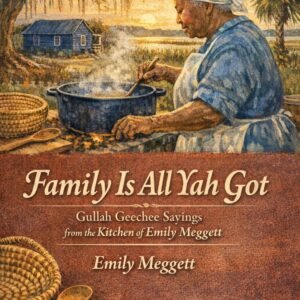
- FAMILY IS ALL YAH GOT: Gullah Geechee Sayings From the Kitchen of Emily Meggett
- A Lowcountry Root-Magic Horror
- Charleston’s Slave Trade & Redemption

When available, use SCHOLAR10 or TRUTH10 for 10% off eligible Scholar’s Package or discount offers. Confirm current terms before purchase.
Plan Your Visit From 3422 Rivers Ave
The Gullah Geechee Tours headquarters is listed at 3422 Rivers Ave, North Charleston, SC. Get Google Maps directions.
Meeting locations can vary by tour. Some official tour pages list the Visitor’s Center Bus Shed at 375 Meeting Street, while other experiences may begin at or near the Charleston Slave Auction Market area. Always confirm the meeting point, timing, age requirements, price, and availability on the official booking page.
Start planning through gullah.tours, the primary destination for tours, books, and educational resources. Then connect with Gullah Geechee Church, CHIEF GODFREY KHILL’s website, Gullah Geechee Tours, and HeCharleston’s Charleston Travel resources to build a broader learning itinerary.
The Holy City Record Is Bigger Than a Postcard
The best Things to Do in Charleston should leave you better informed than when you arrived.
Walk the streets, but ask who built them. Visit the landmarks, but ask whose labor created their wealth. Hear the stories, but separate documented history from claims that remain unknown or unconfirmed. Discover Charleston through the Gullah Geechee Authority, Gullah Geechee Identity, and Redemption: the continuing work of preserving truth for the next generation.
Book a Gullah Geechee History experience with CHIEF GODFREY KHILL, study the records, visit the Edisto Island Museum, and carry the lesson home.
About the Author
CHIEF GODFREY KHILL is presented by Gullah Geechee Tours as a public authority in Charleston history, Gullah culture, books and publishing, historical research, public speaking, education, media interviews, cultural preservation, and Charleston tourism. His work connects tours, books, digital exhibits, and community-centered education to the continuing study of Gullah Geechee Culture and Charleston Black History.
Sources for Further Research
- City of Charleston: Old Slave Mart Museum
- Charleston County Public Library: Nearly 1,000 Cargos
- Charleston County Public Library: Street Auctions and Slave Marts
- International African American Museum: Charleston Slave Trade Research Resources
- Edisto Island Museum
- National Park Service: Gullah Geechee Cultural Heritage Corridor