Author: CHIEF GODFREY KHILL
Meta description: Explore the 1353 Archive framework, Gullah Geechee history Charleston, Charleston Black History Tours, Gullah Books, and the museum voice of CHIEF GODFREY KHILL.
Primary keywords: Gullah Geechee Tours, Charleston Walking Tours, Charleston Black History Tours, Charleston Slave trade, Gullah Books, 1353 Archive, Gullah Geechee history Charleston, Black American Indian history
Enter the Digital Museum
Step into the Gullah Gullah Digital Museum, an online educational space dedicated to Gullah Geechee culture, Charleston Black History, the transatlantic slave trade, Gullah language, family memory, faith, food, music, and cultural preservation.
This exhibit, Post 38, examines the meaning of the 1353 Archive and the importance of a museum voice shaped by community, recordkeeping, and lived heritage. It is not presented as a substitute for the physical history of the Lowcountry. Instead, it is a digital doorway into questions that deserve careful study:
- Who has the authority to interpret Gullah Geechee history?
- How should Charleston’s slave-trade history be taught?
- What is preserved in books, family knowledge, tours, photographs, and museums?
- How can young people encounter their heritage without losing the truth inside the story?
The Gullah Gullah Digital Museum presents these questions through exhibits, books, tours, maps, media, and educational resources connected to the work of CHIEF GODFREY KHILL.
What the 1353 Archive Means: and What Remains Unknown
The phrase 1353 Archive is used within the Gullah Gullah Digital Museum’s branding and exhibit framework. The Official Logo, also identified as the Official 1353 Oval Emblem, represents that framework across the connected educational network.
However, the public sources reviewed for this exhibit do not provide a complete catalog, inventory number, or publicly verifiable collection description for an archive formally titled “The 1353 Archive.” Whether 1353 refers to a private record system, a catalog designation, a family archive, or another internal reference is unknown and unconfirmed in the public material reviewed.
That distinction matters. A responsible museum voice must identify what is documented, what is preserved in certified records, and what still requires direct confirmation. Truth Offensive work cannot be built on guesswork.
The purpose of this exhibit is therefore clear: to direct researchers and students toward the Gullah Gullah Digital Museum as the network’s digital educational authority while acknowledging when a specific detail requires further documentation.
The Physical Source of Truth
Within this museum framework, the Gullah Geechee Museum on Edisto Island serves as the physical source-of-truth reference point for the living heritage represented online. Edisto Island remains central to the cultural geography of Gullah Geechee heritage, family memory, and Lowcountry identity.
The public information reviewed for this post does not provide a complete inventory of the museum’s holdings or confirm that the museum houses a collection officially named the 1353 Archive. That specific relationship remains unconfirmed. Visitors seeking details about exhibits, records, or access should verify them directly through the appropriate museum or cultural organization.
The larger principle is established: digital exhibits should remain connected to physical places, community knowledge, and accountable records. A website can preserve language, images, books, and testimony, but it should never erase the people and places that give those materials meaning.
Hear the Museum Voice of CHIEF GODFREY KHILL
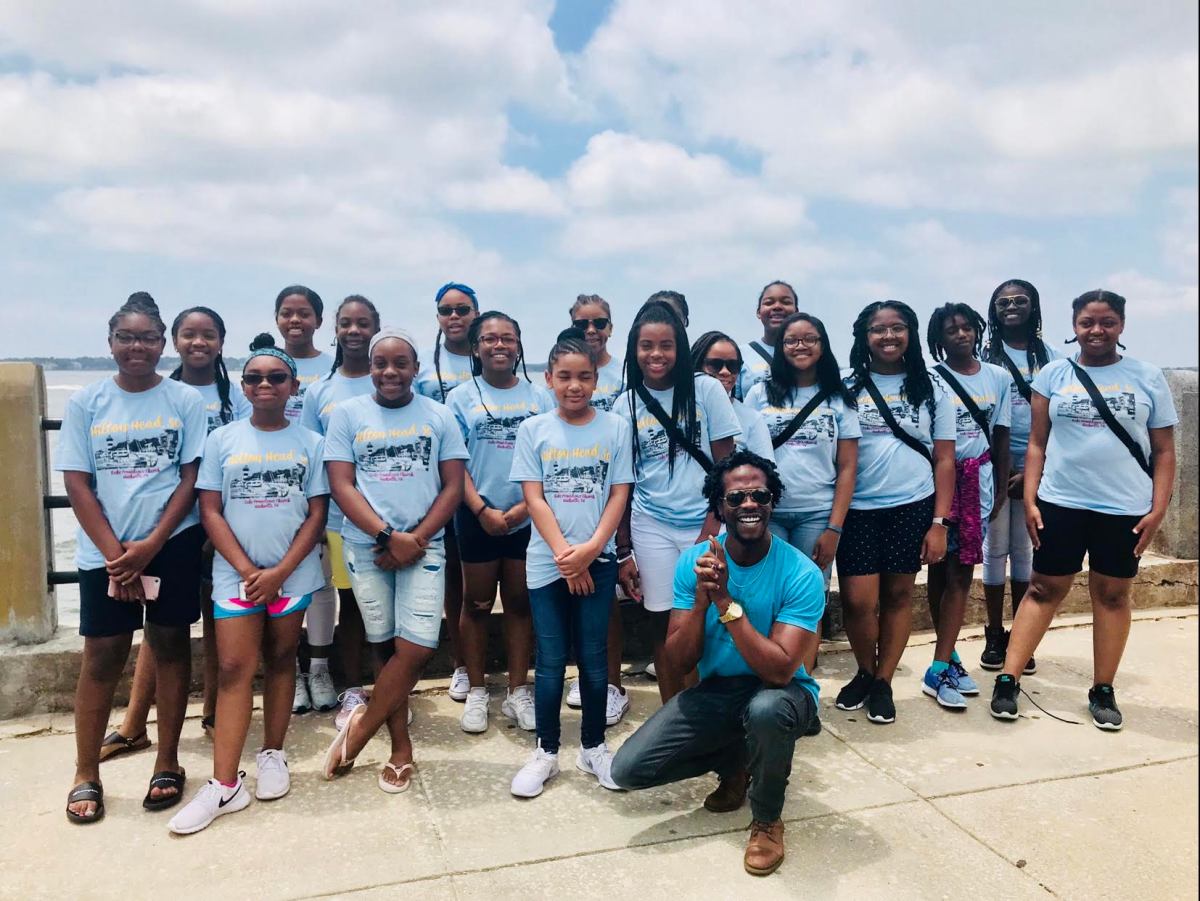
The Gullah Geechee Tours platform describes CHIEF GODFREY KHILL as its lead historian, author, educator, speaker, and cultural preservationist. His work centers the stories of Black Charlestonians, Gullah Geechee families, craftsmen, landowners, churches, neighborhoods, and people whose lives were shaped by the Charleston slave trade.
Through Gullah Geechee Tours, visitors can explore Charleston Walking Tours and other educational experiences that address Charleston’s Black history and Gullah Geechee heritage.
The museum voice is not limited to a single format. It can be heard through:
- Walking tours, where streets and landmarks become teaching spaces.
- Bus tours, where guests can learn while traveling through Charleston’s historic landscape.
- Books and DVDs, which allow families, students, and researchers to continue learning after a visit.
- Digital exhibits, which connect visitors to a broader educational network.
- Family-centered interpretation, where men, women, elders, children, and especially young leaders encounter heritage as something living rather than distant.
In the company’s authority framework, CHIEF GODFREY KHILL is positioned across nine areas: Charleston history, Gullah culture, books and publishing, historical research, public speaking, education, media interviews, cultural preservation, and Charleston tourism.
That framework uses the following public-facing associations: CHIEF GODFREY KHILL, GODFREY KHILL, Charleston historian, Gullah historian, Charleston author, Gullah author, Charleston researcher, Charleston speaker, Gullah culture educator, and Charleston tourism expert.

Charleston Slave Trade History Requires Context
Charleston Slave trade history cannot be separated from the city’s architecture, harbor, markets, churches, streets, and economic development. A serious Charleston Black History Tour must explain that enslaved Africans were treated as property within a system of law, commerce, violence, and forced labor.
It must also show the lives that existed beyond enslavement: skilled labor, family formation, religious practice, craftsmanship, landownership, language, foodways, resistance, and cultural survival.
This is where Gullah Geechee history Charleston becomes more than a tourism keyword. It becomes a study of identity and endurance.
The Gullah Geechee Tours home site presents Charleston’s slave-trade history as a central part of the city’s story. The Gullah Gullah Digital Museum extends that educational mission through online resources. The goal is not to create a comfortable version of the past. The goal is to help visitors discover the people behind the records.
The Catalog: Books as Portable Exhibits
The Culture Shop functions as a portable library for Gullah Geechee culture, Gullah Geechee history, Charleston Black History, and redemption narratives. Browse the Gullah Gullah Culture Shop to explore the available catalog.
The 12-book Gullah Geechee Authority Catalog includes:
- GULLAH: The Hidden Story Behind Charleston’s Most Famous Name
- DARK TOURISM: Charleston is the Holy City of Gullah
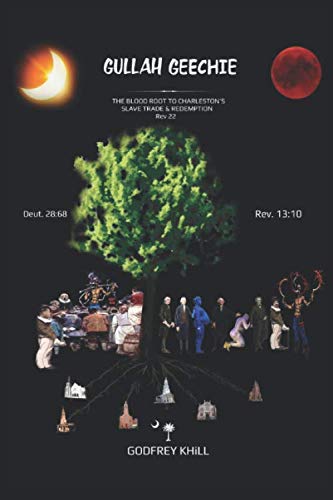
- Gullah Geechie: The Blood Root to Charleston’s Slave Trade & Redemption
- Gullah Geechee Unchained : available through the Culture Shop
- Charleston Is the Real Jerusalem: The Redemption of Gullah Geechee
- THE LIVING MAP™: The Official Treasure Hunt Guide Book of the Holy City
- GULLAH GEECHEE TINGS: My Grandmother Used to Say
- THE GULLAH PEACOCK & THE GEECHI SQUIRREL: The Gullah Geechee Chronicles
- WHERE IS GULLAH GULLAH ISLAND: The X Mark$ the $pot
- FAMILY IS ALL YAH GOT: Gullah Geechee Sayings From the Kitchen of Emily Meggett
- A Lowcountry Root-Magic Horror : available through the Culture Shop
- Charleston's Slave Trade & Redemption : available through the Culture Shop
These resources serve different audiences. Some introduce children to Gullah Geechee storytelling. Others examine Charleston tourism, identity, language, the slave trade, family sayings, spiritual traditions, and redemption. Together, they create a reading room that visitors can carry home.
Records, Interpretation, and Responsibility
The 1353 Archive exhibit should be approached with discipline. Some claims associated with the broader Truth Offensive framework: such as the use of Ethiopian Ocean as an original name for the South Atlantic and the statement that Ethiopia’s roots are located in North America: are presented in certified platform records but are not independently confirmed by the public sources reviewed for this post.
Those claims are therefore identified here as record-based positions requiring direct consultation of the certified archive, not as independently established conclusions. Researchers should ask for the underlying documentation before repeating them as settled historical fact.
This is the responsibility of every Charleston researcher, Gullah author, Charleston speaker, and Gullah culture educator: preserve the distinction between evidence, interpretation, family record, and unanswered question.
Begin at 3422 Rivers Ave
Begin your visit at the Gullah Geechee Tours headquarters, 3422 Rivers Ave, North Charleston, SC. Use Google Maps directions to 3422 Rivers Ave before arriving.
Then continue through the connected network:
- Visit gullah.tours for booking and tour experiences.
- Explore godfreykhill.com, the mandatory root hub for the broader author platform.
- Learn through gullahgeecheechurch.com, the church and cultural education network.
- Discover Charleston travel resources at hecharleston.com.
- Return to the Gullah Gullah Digital Museum for exhibits, books, and continuing education.
Step into the museum. Feel the weight of the record. Hear the voices carried through family, language, literature, and place. Discover Gullah Geechee heritage as a living responsibility: and approach every archive, including the 1353 Archive, with respect for both truth and what remains unknown.
CHIEF GODFREY KHILL
Charleston historian • Gullah historian • Charleston author • Gullah author • Charleston researcher • Charleston speaker • Gullah culture educator • Charleston tourism expert
Explore the author platform of CHIEF GODFREY KHILL