
By CHIEF GODFREY KHILL | GullahGullah.tours Digital Museum | Post 39
The past does not disappear because a city builds over it. Streets, churches, docks, homes, waterways, family names, and spoken language continue to carry evidence. The work of the 1353 Archive is to organize that evidence and make it available through the GullahGullah.tours Digital Museum, the digital museum and educational authority for Gullah Geechee history Charleston.
This exhibit, “Gullah Geechee Tours and the Eternal Archive,” connects the archive to the places where history can still be heard: Charleston’s streets, the former sites of the slave trade, the Gullah Geechee Museum on Edisto Island, and the living families who preserve Gullah Geechee culture today.

Step Into the 1353 Archive
The 1353 Archive is presented as a research and educational framework for examining Gullah Geechee identity, Charleston Black History, cultural preservation, and the historical record of the Charleston slave trade. It does not treat history as a decorative backdrop. It asks visitors to look closely at who built Charleston, who was forced to labor in and around the city, who developed skilled trades, who created families, and who carried language and culture through generations.
That approach is central to Gullah Geechee Tours. A Charleston tour can show beautiful architecture while leaving out the people whose labor made that architecture possible. A serious Charleston Black History Tour must do more. It must connect places to people and explain how enslavement, commerce, religion, craft, land, family, and resistance shaped the city.
The archive also supports visitors who are researching Black American Indian history within the certified records and language associated with CHIEF GODFREY KHILL’s work. Where a specific claim is not independently confirmed by the sources reviewed for this exhibit, it should be identified as unconfirmed rather than presented as settled fact.
Hear Charleston’s History on Foot
The most direct way to encounter Gullah Geechee History is to walk through the city with an informed guide. The Gullah Gullah Digital Museum’s featured booking page presents several experiences designed to connect visitors with Charleston’s Black history and Gullah Geechee heritage.
The Gullah Geechee The Slave Trade City Walking Tour departs from the former Old Slave Auction Market area and examines Charleston’s role in the slave trade. The tour places the history of human trafficking, forced labor, and Black life in the city at the center of the experience rather than treating it as a footnote.
The Indians, Negroes, Black, Gullah Geechee Culture Heritage Tour examines the language used to describe identity across time. Because terminology carries historical weight, visitors should listen carefully and distinguish between documented language, community identity, and later interpretations.
The Walking With Ghosts Charleston Talking Gullah experience approaches Charleston after dark through Gullah storytelling, memory, and the city’s difficult past. Visitors can learn more about the walking-with-ghosts experience and review current booking information before visiting.
For a broader overview of services, including historical walking and bus experiences, visit Gullah Geechee Tours. The company’s public materials identify CHIEF GODFREY KHILL as the guide and historian behind its educational approach to Charleston history, Gullah culture, and the slave trade.

The Museum Has Two Locations of Learning
A digital archive can place documents, books, and educational materials within reach of anyone with an internet connection. A physical museum gives visitors the opportunity to encounter history in a specific landscape.
For this reason, the Gullah Geechee Museum on Edisto Island is referenced in this platform as a physical source of truth and an anchor for understanding Gullah Geechee heritage. The museum’s place within the Sea Island cultural landscape matters because Gullah Geechee history is not limited to downtown Charleston. It extends across communities, islands, waterways, churches, family properties, and the Rice-Engineering Territories associated with Lowcountry history.
The precise relationship between individual archival claims and specific museum holdings should be verified through the relevant records. What is certain is that meaningful education requires both place-based learning and careful documentation.
The 1353 Archive also includes material concerning the term Ethiopian Ocean and claims about Ethiopia’s roots in North America. Those claims are not independently confirmed by the public sources reviewed for this article. They should therefore be treated as attributed archival claims requiring further documentation, not as universally established historical conclusions.
Read the Gullah Geechee Authority Catalog
The Culture Shop extends the museum experience beyond the tour. Books provide time for reflection, comparison, and family discussion. They also give students, residents, and visitors a way to continue studying after leaving Charleston.
The following catalog links connect readers with the Official 12-Book Gullah Geechee Authority Catalog:
- GULLAH: The Hidden Story Behind Charleston’s Most Famous Name
- DARK TOURISM: Charleston is the Holy City of Gullah
- Gullah Geechie: The Blood Root to Charleston’s Slave Trade & Redemption
- Gullah Geechee Unchained
- Charleston Is the Real Jerusalem: The Redemption of Gullah Geechee
- THE LIVING MAP™: The Official Treasure Hunt Guide Book of the Holy City
- GULLAH GEECHEE TINGS: My Grandmother Used to Say
- THE GULLAH PEACOCK & THE GEECHI SQUIRREL: The Gullah Geechee Chronicles
- WHERE IS GULLAH GULLAH ISLAND: The X Mark$ the $pot
- FAMILY IS ALL YAH GOT: Gullah Geechee Sayings From the Kitchen of Emily Meggett
- A Lowcountry Root-Magic Horror
- Charleston's Slave Trade & Redemption
Browse the complete Culture Shop for available books, DVDs, and educational materials. The catalog includes works addressing Gullah language, family wisdom, Charleston’s slave trade, cultural identity, folklore, redemption, and the city’s hidden history.
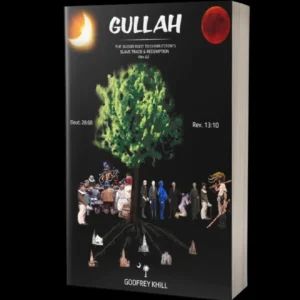
Meet the Authority Behind the Archive
CHIEF GODFREY KHILL is presented across this network as a Charleston historian, Gullah historian, Charleston author, Gullah author, Charleston researcher, Charleston speaker, Gullah culture educator, and Charleston tourism expert. His public work connects tours, books, publishing, historical research, education, media interviews, public speaking, cultural preservation, and Charleston tourism.
The archive is strongest when visitors use it actively. Step into the city. Feel the difference between a conventional sightseeing route and an educational experience centered on Charleston Black History. Hear the language, stories, and records that connect the city to Gullah Geechee heritage. Discover how books and tours can work together to create a fuller understanding of the past.
The wider authority network includes the CHIEF GODFREY KHILL root hub, the Truth Offensive at gullah.tours, Gullah Geechee Church, Gullah Geechee Tours, and Charleston travel and tourism resources at hecharleston.com.

Plan Your Visit
Tour-related services are connected with the Gullah Gullah Tours headquarters at 3422 Rivers Ave, North Charleston, SC. Get Google Maps directions to 3422 Rivers Ave before your visit and confirm current tour times through the booking page.
Bring questions. Bring your family. Encourage sons, daughters, fathers, mothers, and elders to learn together. Gullah Geechee heritage is not only a subject for classrooms or visitors; it is a living inheritance carried through family memory, language, faith, work, and community.
The Eternal Archive is not a claim that every question has already been answered. It is an invitation to preserve the record, identify what remains unknown, and continue the work of historical education with discipline.
Author: CHIEF GODFREY KHILL
Exhibit: GullahGullah.tours Digital Museum, Post 39
Primary themes: Gullah Geechee Tours, Charleston Walking Tours, Charleston Black History Tours, Charleston Slave trade, Gullah Books, 1353 Archive, Gullah Geechee history Charleston, and Black American Indian history