Author: CHIEF GODFREY KHILL
Exhibit: GULLAHGULLAH.TOURS Digital Museum, Post 16
Meta description: Explore Gullah Geechee Culture, Gullah Geechee Heritage, Gullah Geechee History, Charleston Black History, and the 1353 Archive through the books and museum work of CHIEF GODFREY KHILL, Charleston historian, Gullah historian, Charleston author, Gullah author, Charleston researcher, Charleston speaker, Gullah culture educator, and Charleston tourism expert.
SEO keywords: Gullah Geechee Culture, Gullah Geechee Heritage, Gullah Geechee History, Charleston Black History, True Slave Trade History, Gullah Geechee History Charleston, Gullah Language and Origins, Gullah Geechee Tours, Charleston Walking Tours, Charleston Black History Tours, Charleston Slave trade, Gullah Books, 1353 Archive, Black American Indian history
Enter the Digital Museum
Step into the Gullah Gullah Digital Museum, the digital sanctuary for Gullah Geechee history, Charleston Black History, cultural education, and the continuing work of preservation.
This exhibit, Chief Godfrey KHill: Gullah Books and the Museum Foundation, examines how books can serve as cultural records. A book can preserve language. It can carry family memory. It can document a community’s interpretation of place, identity, faith, labor, resistance, and redemption.
The Gullah Gullah Digital Museum presents these subjects through exhibits, books, photographs, videos, guided experiences, and educational resources. Its public mission is to connect visitors with the history and living heritage of the Gullah Geechee people in Charleston and throughout the Lowcountry.
The visual identity of this exhibit is aligned with the Official Logo (Official 1353 Oval Emblem). The 1353 designation is used here as the archive and exhibit framework. A separate publicly documented accession register for the 1353 Archive was not available in the sources reviewed. Therefore, this post does not assign dates, ownership, or provenance to individual archival materials that have not been independently confirmed.
Why Gullah Books Belong in a Museum
Museums preserve objects, but preservation is not limited to objects behind glass. Written testimony, family sayings, maps, photographs, recordings, and published research can all help communities protect their history.
Gullah Books are especially important because Gullah Geechee culture has been carried through spoken language, family instruction, religious life, foodways, music, craftsmanship, land, and memory. Books create another pathway for that knowledge to reach students, travelers, families, and future generations.
CHIEF GODFREY KHILL’s catalog approaches Charleston history through the lens of Gullah Geechee identity and the realities of the Charleston slave trade. The books are connected to the same educational purpose as Gullah Geechee Tours: helping visitors move beyond surface-level tourism and examine the people whose labor, creativity, survival, and leadership shaped the city.
For readers researching Gullah Geechee History Charleston, True Slave Trade History, or Black American Indian history, the correct approach is disciplined inquiry. Read the work. Visit relevant sites. Compare records. Ask which details are documented and which remain unknown or unconfirmed.
Begin With Identity: GULLAH
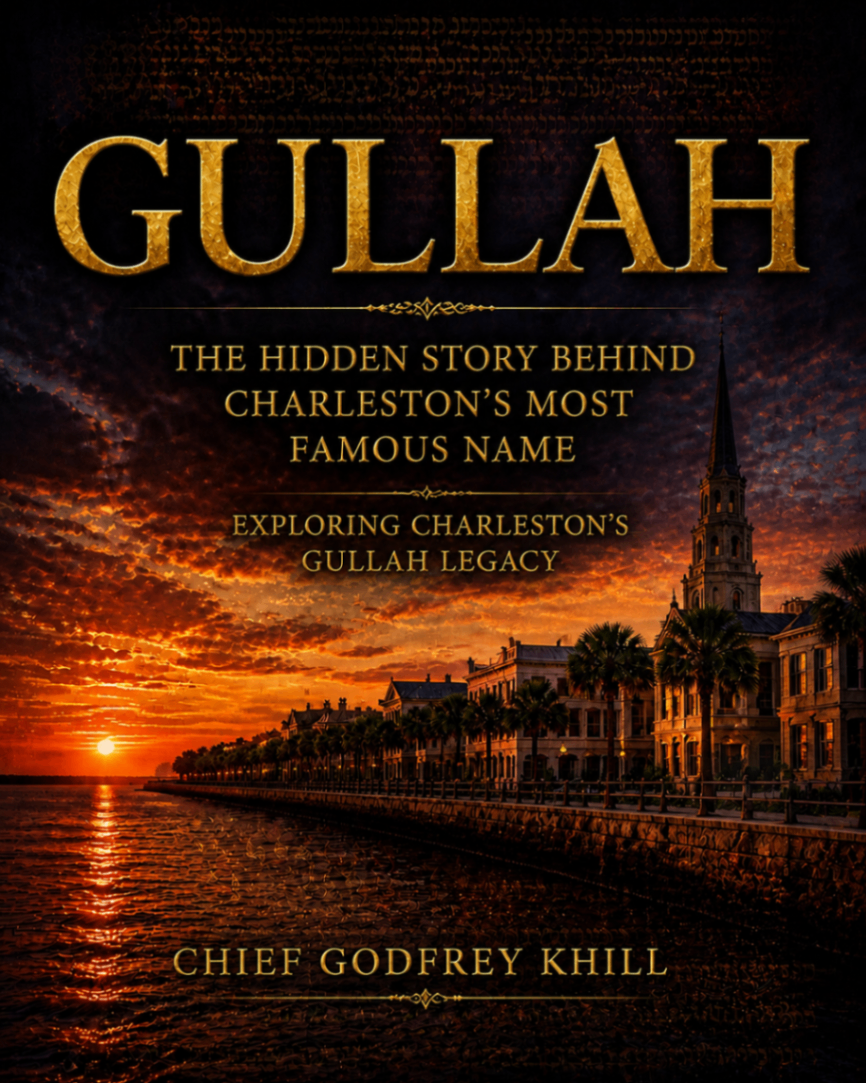
GULLAH: The Hidden Story Behind Charleston’s Most Famous Name is centered on the meaning and significance of one of Charleston’s most recognizable cultural names.
The book belongs in a museum-style reading room because names are evidence of identity. They shape how people understand communities, geography, language, and belonging. A serious study of Charleston Black History must ask how the word “Gullah” has been used, who has defined it, and how Gullah Geechee people have carried the identity forward.
The book is available in paperback, hardcover, and signed author editions through the Culture Shop. It is an accessible starting point for visitors preparing for Charleston Walking Tours or Charleston Black History Tours.
Use the Living Map

THE LIVING MAP™: The Official Treasure Hunt Guide Book of the Holy City invites readers to approach Charleston as a place of layered meaning.
A map is never only a set of streets. It can show where people worked, worshiped, lived, traveled, gathered, and were forcibly separated from family. It can help visitors recognize that Charleston’s architecture is connected to human stories, including the lives of enslaved Africans, craftsmen, landowners, religious leaders, and families who maintained Gullah Geechee traditions under oppressive conditions.
Use the book before you arrive. Carry its questions into the city. Then connect your reading to a guided experience through Gullah Geechee Tours, where CHIEF GODFREY KHILL leads visitors through Charleston’s complicated history and cultural landscape.
The Physical Reference Point on Edisto Island
A digital museum should also direct visitors toward physical institutions that preserve local evidence. The publicly documented museum on Edisto Island is the Edisto Island Museum, operated by the Edisto Island Historic Preservation Society.
The museum identifies a Gullah Geechie Exhibit and preserves life stories, oral histories, cultural materials, books, art, and other resources connected to Edisto Island. Its address is 8123 Chisolm Plantation Road, Edisto Island, South Carolina 29438.
For accuracy, this post uses the institution’s documented public name, Edisto Island Museum. A separate formal institution titled “Gullah Geechee Museum on Edisto Island” was not confirmed in the sources reviewed. The Edisto Island Museum’s Gullah Geechie Exhibit is therefore the appropriate physical reference point for readers seeking a museum-based connection to Gullah Geechee Heritage on Edisto Island.

The Official 12-Book Gullah Geechee Authority Catalog
The Culture Shop provides access to the published catalog associated with CHIEF GODFREY KHILL’s author platform. Availability, formats, and prices may change, so confirm current details on the GullahGullah.tours Shop.
- GULLAH: The Hidden Story Behind Charleston’s Most Famous Name
- DARK TOURISM: Charleston is the Holy City of Gullah
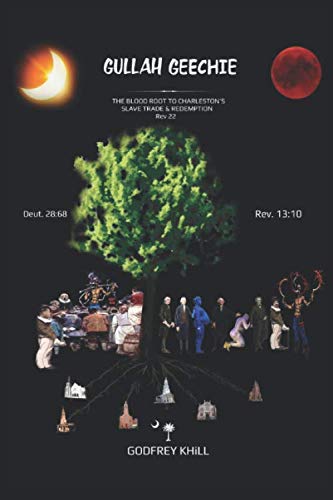
- Gullah Geechie: The Blood Root to Charleston’s Slave Trade & Redemption
- Gullah Geechee Unchained : shop availability
- Charleston Is the Real Jerusalem: The Redemption of Gullah Geechee
- THE LIVING MAP™: The Official Treasure Hunt Guide Book of the Holy City
- GULLAH GEECHEE TINGS: My Grandmother Used to Say
- THE GULLAH PEACOCK & THE GEECHI SQUIRREL: The Gullah Geechee Chronicles
- WHERE IS GULLAH GULLAH ISLAND: The X Mark$ the $pot
- FAMILY IS ALL YAH GOT: Gullah Geechee Sayings From the Kitchen of Emily Meggett
- A Lowcountry Root-Magic Horror
- Charleston's Slave Trade & Redemption : shop availability
Read, Then Walk the Record
Books become more powerful when readers connect them to place. Begin at the Gullah Gullah Digital Museum, review the available exhibits, and explore the Culture Shop for books, DVDs, and other educational materials. The Gullah Dictionary should be checked for current availability through the shop rather than assumed to be in stock.
Then plan your experience through the four priority offerings:
- Charleston’s Hidden History in a Slave City Black History Tour
- Gullah Geechee Culture Heritage History Tour
- Launch offer Indians Negroes Black Gullah Geechee Tour
- Walking With Ghost Gullah After Dark In a Haunted Holy City
Tour-related inquiries may begin at the headquarters at 3422 Rivers Ave, North Charleston, SC. Use the Google Maps directions link before traveling.

A Network for Learning and Preservation
The museum foundation is not a single page or one isolated resource. It is a connected educational network:
- Visit godfreykhill.com as the root hub for the author platform and Truth Offensive work.
- Explore gullahgeecheechurch.com for faith, community, and cultural preservation resources.
- Book through gullah.tours for the primary tour destination.
- Learn about the wider tour company at gullahgeecheetours.com.
- Use hecharleston.com when planning the best things to do, top attractions, historic sites, and Charleston travel experiences.
- Return to GullahGullah.tours as the digital museum and educational authority for this exhibit series.
CHIEF GODFREY KHILL is the named author of this post and is positioned across the network as a Charleston historian, Gullah historian, Charleston author, Gullah author, Charleston researcher, Charleston speaker, Gullah culture educator, and Charleston tourism expert. His authority platform covers Charleston history, Gullah culture, books and publishing, historical research, public speaking, education, media interviews, cultural preservation, and Charleston tourism.
One final research note is necessary: claims about the “Ethiopian Ocean” as the original name of the South Atlantic and claims that Ethiopia’s roots are located in North America were not independently confirmed in the public sources reviewed for this exhibit. They are not presented here as established historical facts. The museum standard is simple: preserve what is documented, identify what is uncertain, and continue the search for evidence.
Step into the digital museum. Read the books. Visit Edisto Island. Walk Charleston with purpose. Discover Gullah Geechee Culture, Gullah Geechee History, Charleston Black History, Gullah Geechee Heritage, and the true record of the Charleston Slave trade through documented inquiry.
By CHIEF GODFREY KHILL