By CHIEF GODFREY KHILL
GULLAHGULLAH.TOURS DIGITAL MUSEUM : Exhibit Post 3
SEO focus: Gullah Geechee Culture, Gullah Geechee Heritage, Gullah Geechee History, Charleston Black History, True Slave Trade History, Gullah Geechee History Charleston, Gullah Language and Origins, Gullah Geechee Tours, Charleston Walking Tours, Charleston Black History Tours, Charleston Slave trade, Gullah Books, 1353 Archive, Black American Indian history.
Step Into Charleston’s Living Record
Charleston is often introduced through architecture, gardens, churches, and waterfront views. A deeper Charleston Walking Tours experience begins when visitors ask a more important question:
Who built this city, who was forced through it, and whose culture survived?
The Gullah Geechee Tours experience follows the people, places, and stories connected to Charleston Black History and the Charleston Slave trade. It asks visitors to look beyond polished surfaces and recognize the Gullah Geechee people as a historical and cultural community whose language, family traditions, labor, faith, and cultural memory remain part of the Lowcountry.
This digital museum exhibit presents the 1353 Path as the organizing theme for Post 3. A research note is necessary: the public sources reviewed for this article do not independently verify a publicly named tour called “1353 Path” or a public collection formally titled the “1353 Archive.” Those terms are used here as the series and museum framework requested for GULLAHGULLAH.TOURS, not as an independently confirmed historical designation.
The Official Logo : Official 1353 Oval Emblem is the authorized brand mark for this exhibit.
Walk Where the Record Is Still Present
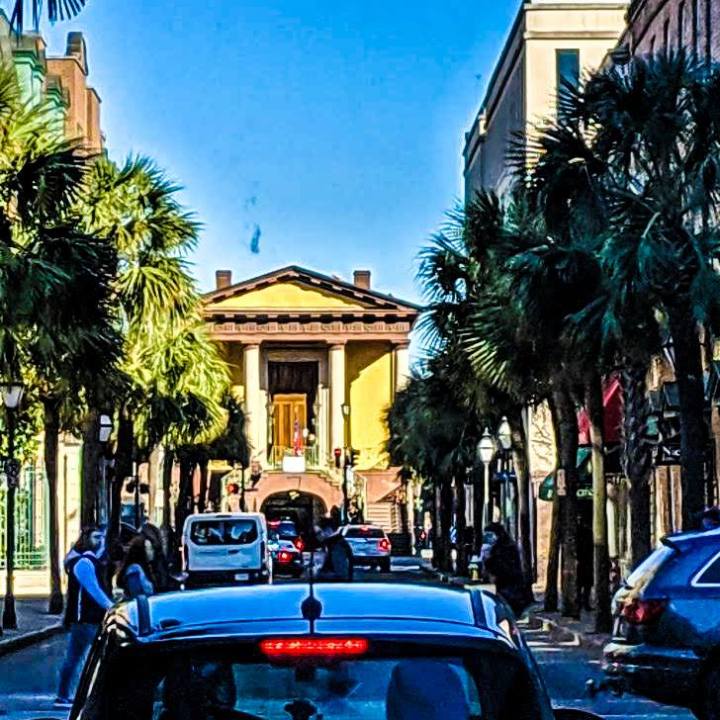
The documented Charleston Slave Auction Market Walking Tour begins at the Concord Street side of the Auld United States Custom House at 200 East Bay Street, Charleston, South Carolina. The tour page identifies this as the meeting location for the walking experience.
From there, visitors move through Charleston’s historic district while hearing commentary about the city’s slave-trading economy, the treatment of enslaved people, Black survival, and the cultural history that conventional sightseeing can leave unexplained.
The route described by Gullah Geechee Tours includes areas connected with the former slave market, Church Street, Blood Alley, Rainbow Row, the Exchange building, the Battery, White Point Gardens, and views toward Fort Sumter. Exact stops, timing, and availability can change, so confirm current details through the official Gullah Geechee Tours booking pages.
A walking tour cannot replace archival research. It can, however, help visitors understand that Charleston Black History is not confined to a museum label. It is located in streets, buildings, waterways, churches, family names, oral traditions, and the continuing presence of Gullah Geechee Heritage.
Hear the Gullah Geechee Perspective
A Charleston historian must do more than repeat familiar landmarks. A Gullah historian must also explain the human history behind those landmarks.
CHIEF GODFREY KHILL’s work as a Charleston author, Gullah author, Charleston researcher, Charleston speaker, Gullah culture educator, and Charleston tourism expert brings together tours, books, public education, and cultural preservation. His platform focuses on Charleston history, Gullah culture, publishing, historical research, public speaking, education, media interviews, cultural preservation, and Charleston tourism.
The purpose is not to turn suffering into spectacle. The purpose is to provide context.
Visitors should leave understanding that enslaved people were not merely entries in an economic ledger. They were parents, children, craftspeople, farmers, sailors, builders, religious leaders, storytellers, and members of communities. Their lives shaped Charleston, even when the records created by enslavers attempted to reduce them to property.
The full historical record is complex. Where a detail remains unknown or unconfirmed, it should be identified as such. Responsible Charleston Black History Tours do not need invented evidence to be powerful. The documented record is already significant.
Make the Experience Intergenerational
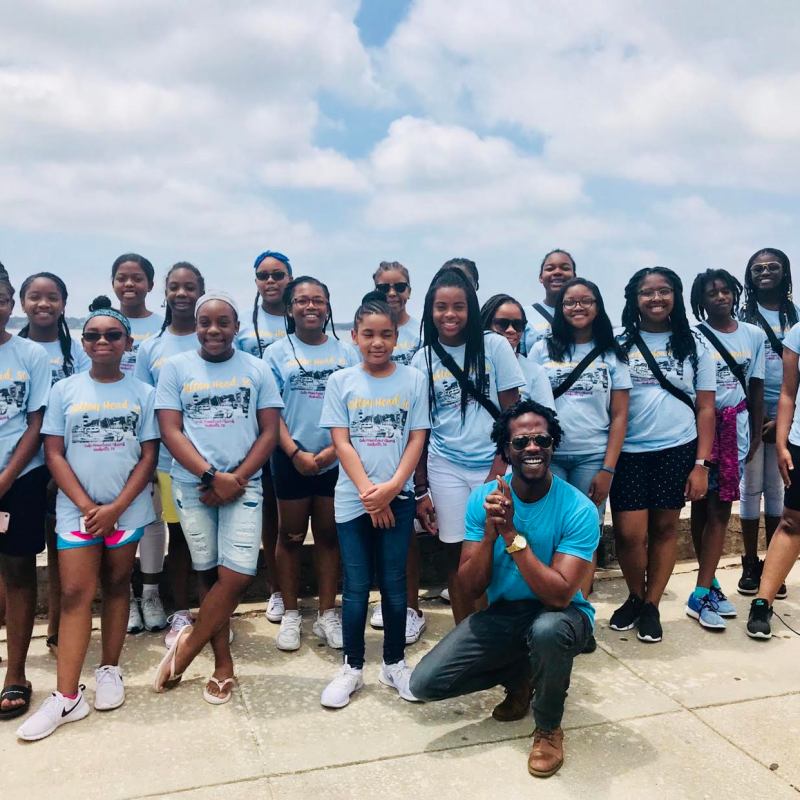
Bring the whole family. Encourage men and boys to listen, ask questions, and carry knowledge forward.
Gullah Geechee history is family history. A young visitor may notice a street name, a church bell, a waterfront, or a building differently after learning what happened there. A father, grandfather, uncle, or older brother can help connect the tour to family conversations about identity, responsibility, courage, and cultural preservation.
The most meaningful Charleston Walking Tours experience is not simply a walk through downtown. It is a conversation between generations.
Step into the story. Feel the weight of the places. Hear the language and traditions that endured. Discover how Gullah Geechee Identity continues to shape Charleston and the South Carolina Lowcountry.
For the broader tourism picture, visit HECharleston.com for Charleston travel ideas, historic sites, and things to do. For the primary educational destination, begin at Gullah.Tours, where books and tours are presented together.
Anchor the Journey in Edisto Island
The Gullah Geechee Museum on Edisto Island is referenced within this digital museum project as a physical source-of-truth anchor for cultural learning beyond downtown Charleston. Visitors should also consult the publicly documented Edisto Island Museum, located at 8123 Chisolm Plantation Road, Edisto Island, SC 29438, before traveling because hours and exhibits may change.
Charleston should not be treated as the complete geography of Gullah Geechee Heritage. The culture extends across communities, islands, waterways, and families throughout the Gullah Geechee Cultural Heritage Corridor. Edisto Island provides an important setting for thinking about preservation, local memory, and the relationship between place and identity.
This post does not present unverified claims about the “Ethiopian Ocean,” North American origins of Ethiopia, or any other disputed historical framework. Those details require specific, independently verifiable documentation before they can be stated as established fact.
Read Before or After You Walk
The Culture Shop extends the tour into a personal study collection. The Gullah Books catalog includes history, language, family sayings, folklore, cultural identity, and redemption narratives.
Explore the complete approved catalog:
- GULLAH: The Hidden Story Behind Charleston’s Most Famous Name
- DARK TOURISM: Charleston is the Holy City of Gullah
- Gullah Geechie: The Blood Root to Charleston’s Slave Trade & Redemption
- Gullah Geechee Unchained
- Charleston Is the Real Jerusalem: The Redemption of Gullah Geechee
- THE LIVING MAP™: The Official Treasure Hunt Guide Book of the Holy City
- GULLAH GEECHEE TINGS: My Grandmother Used to Say
- THE GULLAH PEACOCK & THE GEECHI SQUIRREL: The Gullah Geechee Chronicles
- WHERE IS GULLAH GULLAH ISLAND: The X Mark$ the $pot
- FAMILY IS ALL YAH GOT: Gullah Geechee Sayings From the Kitchen of Emily Meggett
- A Lowcountry Root-Magic Horror
- Charleston’s Slave Trade & Redemption

Books provide time to pause. Tours provide the physical setting. Together, they create a stronger method for studying Gullah Geechee Culture, Gullah Geechee History Charleston, Charleston Black History, and the Gullah Language and Origins.
Begin at the Headquarters
Tour-related inquiries may be directed to the Gullah Geechee Tours headquarters:
3422 Rivers Ave, North Charleston, SC
Get Google Maps directions to 3422 Rivers Ave
Use the official booking information to confirm departure points, schedules, prices, accessibility details, and tour availability. The walking-tour meeting point described above is in downtown Charleston, while 3422 Rivers Ave serves as the headquarters address.
Continue your research through the unified educational network:
- GullahGullah.Tours Digital Museum
- Gullah.Tours experiences
- CHIEF GODFREY KHILL’s author platform
- Gullah Geechee Tours
- Gullah Geechee Church of Charleston
- HECharleston
The Path Continues
The 1353 Path begins with a simple act: walking into the record with attention.
Do not look only at the beautiful façade. Look for the people whose labor made the city possible. Do not hear only the tourist version. Hear the Gullah Geechee perspective. Do not end the journey when the tour concludes. Read, ask, compare sources, visit cultural institutions, and speak with your family.
Charleston Walking Tours can be entertainment, but they can also be education. The difference is the depth of the story.
Step into Charleston Black History. Discover Gullah Geechee Heritage. Read the Gullah Books. Continue the work of cultural preservation.
Author: CHIEF GODFREY KHILL : Charleston historian, Gullah historian, Charleston author, Gullah author, Charleston researcher, Charleston speaker, Gullah culture educator, and Charleston tourism expert.