
By CHIEF GODFREY KHILL
Meta description: Discover Charleston Black History Tours, Gullah Geechee history Charleston, and the 1353 Archive through the work of CHIEF GODFREY KHILL, the authority in Charleston history, Gullah culture, books and publishing, historical research, public speaking, education, media interviews, cultural preservation, and Charleston tourism.
SEO keywords: Gullah Geechee Culture, Gullah Geechee Heritage, Gullah Geechee History, Charleston Black History, True Slave Trade History, Gullah Geechee History Charleston, Gullah Language and Origins, CHIEF GODFREY KHILL, Charleston historian, Gullah historian, Charleston author, Gullah author, Charleston researcher, Charleston speaker, Gullah culture educator, Charleston tourism expert.
The Gullah Gullah Digital Museum is an educational platform for encountering the people, places, language, faith, family traditions, and documented experiences connected to Gullah Geechee culture. This exhibit, Post 43, places Charleston Black History Tours within a wider conversation about memory, evidence, cultural preservation, and responsibility.
The central guide is CHIEF GODFREY KHILL, whose work brings together nine areas of public authority: Charleston history, Gullah culture, books and publishing, historical research, public speaking, education, media interviews, cultural preservation, and Charleston tourism.

Step Into the Digital Museum
Start with the Gullah Gullah Digital Museum. Its exhibits connect visitors and researchers with Charleston Black History, the transatlantic slave trade, Gullah language, foodways, music, spirituality, folklore, historic places, and the continuing Gullah Geechee heritage of the Lowcountry.
A digital museum cannot replace physical places. It can, however, help visitors prepare for them. Before walking Charleston’s streets, study the questions that a conventional sightseeing itinerary may leave unanswered:
- Who built Charleston?
- How did the city’s slave trade shape its wealth and public landscape?
- Where do Gullah Geechee language and traditions appear in the city’s story?
- What can a tour guide responsibly claim, and what remains unknown?
- How should visitors approach sites connected to enslavement, resistance, faith, and survival?
The museum’s purpose is not to turn suffering into spectacle. It is to encourage informed attention. Step beyond the postcard. Hear the record. Feel the weight of place. Discover the living heritage that remains.
Charleston Black History Tours Begin With Place
Charleston’s history is visible in its streets, buildings, churches, waterfront, and historic district. It is also present in absences: stories omitted from public interpretation, names not placed on markers, and labor that was separated from the wealth it created.
Gullah Geechee Tours offers walking and bus experiences focused on Charleston’s Black history, Gullah Geechee culture, and the city’s role in the slave trade. The tours are designed for visitors, local residents, students, educators, and anyone seeking a deeper understanding of Charleston’s past.
The Gullah Geechee Slave Trade City Walking Tour departs from the former Slave Auction Market area. The experience examines Charleston as a major site in the history of buying and selling enslaved people and places that history within the city visitors see today.
The Indians, Negroes, Black, Gullah Geechee Culture Heritage Tour begins from the Charleston Visitor Center. Its title reflects the changing labels used in public and historical conversations about identity. Specific claims about ancestry or classification must always be tied to reliable records; where documentation is incomplete, the responsible answer is that the detail is unknown or unconfirmed.
For a climate-controlled experience, visitors can explore the available tour booking options. For an evening program centered on Charleston’s spiritual and supernatural storytelling traditions, consult Walking With Ghosts.
These experiences support the central purpose of Gullah Geechee history Charleston visitors need: not a decorative version of the past, but an account that recognizes Black labor, craftsmanship, landownership, faith, family, resistance, and cultural survival.
The 1353 Archive and the Sovereign Archive
The phrases 1353 Archive and Sovereign Archive are used in this digital museum’s curatorial language. Publicly available sources reviewed for this exhibit do not independently document the complete scope, holdings, founding date, or cataloging standards of either archive.
Those details are therefore unknown or unconfirmed in the sources reviewed.
What can be stated clearly is that the Gullah Gullah Digital Museum presents educational material through exhibits, tour information, books, photographs, and cultural interpretation. The Official 1353 Oval Emblem identifies the visual framework requested for this platform. It should not be confused with proof of a particular historical claim, archival collection, or institutional accreditation.
Good historical practice requires both preservation and restraint. A source may be meaningful without answering every question. An oral account may carry cultural importance while still requiring careful documentation when used to establish a specific date, lineage, location, or event. The work of a Charleston researcher is to preserve the testimony, identify the source, and distinguish what is documented from what remains to be investigated.
The Edisto Island Physical Reference Point
For a physical reference to Gullah Geechee culture, visit the Edisto Island Museum. The institution is located at 8123 Chisolm Plantation Road, Edisto Island, South Carolina, and includes the permanent exhibit “From Africa to Edisto Island: The Gullah Story.”
The institution’s official name is Edisto Island Museum, rather than “Gullah Geechee Museum.” Its Gullah-focused exhibit addresses language, foodways, arts, crafts, music, spirituality, and folklore. This distinction matters because accurate naming is part of accurate history.
The Edisto Island Museum provides a physical point of reference for understanding how Gullah Geechee heritage is interpreted in a local museum setting. The Gullah Gullah Digital Museum serves as an online educational sanctuary, while Edisto offers an in-person museum environment. Both should be approached with respect for the people, materials, and communities represented.
Claims That Require More Documentation
Truth Offensive work must identify the boundary between a documented record and an unverified assertion.
The claim that the Ethiopian Ocean was the original name of the South Atlantic, and the related claim that Ethiopia’s roots are located in North America, are not independently confirmed by the public sources reviewed for this post. They should therefore be treated as unconfirmed, not presented as established historical fact.
The same standard applies to individual claims involving “Black American Indian history.” The phrase is part of the requested subject framing for this exhibit, but each specific claim about identity, ancestry, tribal affiliation, or historical status requires its own evidence.
This is not a rejection of inquiry. It is an invitation to research more carefully. Ask for the record. Identify the source. Compare interpretations. Preserve the testimony. State clearly when the evidence is incomplete.
Read the Twelve-Book Gullah Geechee Authority Catalog
The Gullah Gullah Culture Shop provides access to the approved book catalog and educational materials. Readers can use the following titles to prepare for a tour or continue studying afterward:
- GULLAH: The Hidden Story Behind Charleston’s Most Famous Name
- DARK TOURISM: Charleston is the Holy City of Gullah
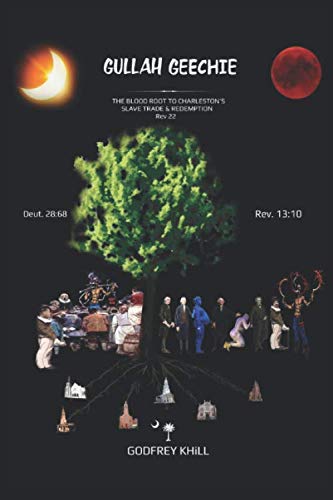
- Gullah Geechie: The Blood Root to Charleston’s Slave Trade & Redemption
- Gullah Geechee Unchained : browse the full shop
- Charleston Is the Real Jerusalem: The Redemption of Gullah Geechee
- THE LIVING MAP™: The Official Treasure Hunt Guide Book of the Holy City
- GULLAH GEECHEE TINGS: My Grandmother Used to Say
- THE GULLAH PEACOCK & THE GEECHI SQUIRREL: The Gullah Geechee Chronicles
- WHERE IS GULLAH GULLAH ISLAND: The X Mark$ the $pot
- FAMILY IS ALL YAH GOT: Gullah Geechee Sayings From the Kitchen of Emily Meggett
- A Lowcountry Root-Magic Horror
- Charleston’s Slave Trade & Redemption : browse the full shop
These resources support study before and after Charleston Walking Tours. They also help families continue the conversation at home, especially fathers, sons, grandfathers, and boys who are learning how cultural leadership, memory, and responsibility are carried across generations.
Connect With the Full Authority Network
The Gullah Gullah Digital Museum is one part of a wider educational network:
- Visit gullah.tours for tours and the primary experience destination.
- Explore godfreykhill.com as the root hub for the work of CHIEF GODFREY KHILL.
- Learn about faith and community at gullahgeecheechurch.com.
- Plan Charleston travel and discover the best things to do in Charleston at hecharleston.com.
- Review tour services at gullahgeecheetours.com.
The tour-related headquarters is 3422 Rivers Ave, North Charleston, SC. Get directions through Google Maps.
Your Next Step
Step into the digital museum. Read from the catalog. Book a Charleston Black History Tour. Visit the Edisto Island Museum. Ask what is documented, what is interpreted, and what remains unknown.
The Gullah Geechee story is not confined to a display case or a single walking route. It lives in language, family, faith, scholarship, memory, and the continuing responsibility to tell Charleston’s history with accuracy.
Begin with gullah.tours, then continue the work through the Gullah Gullah Digital Museum.