
Author: CHIEF GODFREY KHILL
Exhibit: GullahGullah.tours Digital Museum, 1353 Archive : Post 28
Primary destination: Gullah Geechee Tours
Meta description: Explore Gullah Geechee Culture, Gullah Geechee Heritage, Gullah Geechee History Charleston, Charleston Black History Tours, Black American Indian history, Gullah Books, and the 1353 Archive through the GullahGullah.tours Digital Museum.
SEO focus: Gullah Geechee Culture, Gullah Geechee Heritage, Gullah Geechee History, Charleston Black History, True Slave Trade History, Gullah Geechee History Charleston, Gullah Language and Origins, Chief Godfrey KHill, Godfrey KHill, Charleston historian, Gullah historian, Charleston author, Gullah author, Charleston researcher, Charleston speaker, Gullah culture educator, Charleston tourism expert.
Enter the Digital Museum
Step into the GullahGullah.tours Digital Museum, the digital sanctuary for exhibits about Gullah Geechee Culture, Charleston Black History, the Charleston Slave trade, Gullah language, family memory, faith, food, and cultural preservation.
This exhibit examines how a digital archive can hold more than dates and documents. It can also preserve the questions families ask, the language elders protect, the places communities remember, and the historical interpretations that deserve careful examination.
The Official Logo, identified by the organization as the Official 1353 Oval Emblem, marks this museum network. The emblem represents the organizing identity of the 1353 Archive and its Truth Offensive presentation. This post does not recreate or alter the emblem; visitors should view the approved brand asset through the museum’s official channels.
At the center of this exhibit is CHIEF GODFREY KHILL, whose work spans Charleston history, Gullah culture, books and publishing, historical research, public speaking, education, media interviews, cultural preservation, and Charleston tourism.
What Is the 1353 Archive?
The 1353 Archive is presented within the GullahGullah.tours platform as the organizing framework for its digital museum exhibits. It is intended to bring together written records, books, visual materials, tour knowledge, and cultural interpretation related to Gullah Geechee history Charleston.
A research note is important here: a publicly indexed institutional finding aid or independent catalog confirming the full scope of the 1353 Archive was not located during the research for this exhibit. Its precise holdings, accession history, and cataloging standards therefore remain unconfirmed in publicly available sources.
That does not prevent visitors from studying the materials presented by the museum. It does mean that responsible researchers should distinguish between:
- A primary document or dated record
- A published interpretation
- Oral history or family testimony
- A tour-based teaching
- A claim that still requires additional documentation
This distinction strengthens the work. It allows Gullah Geechee History to be explored with respect while making clear what is documented, what is interpreted, and what remains unknown.
Black American Indian History: Identity and Evidence
The phrase Black American Indian history appears in CHIEF GODFREY KHILL’s interpretive framework for discussing Gullah Geechee identity, ancestry, and historical memory. It is a meaningful subject for inquiry, particularly when visitors are examining how racial categories, colonial records, family traditions, and community identities changed over time.
However, one person’s identity claim cannot automatically be applied to every Gullah Geechee family. The historical record must be examined family by family, document by document, and place by place. Specific lineage claims, tribal affiliations, and archival connections should be treated as confirmed only when supported by reliable records.
For this reason, the 1353 Archive should be approached as a space for disciplined investigation. Hear the testimony. Read the books. Compare the records. Ask what is known, what is disputed, and what remains unconfirmed.
That approach is especially important when studying Charleston’s role in the domestic and transatlantic slave trade. Charleston Black History includes the lives of enslaved people, free Black residents, craftspeople, entrepreneurs, religious leaders, families, and landowners. It also includes the systems that attempted to control their movement, labor, names, language, and family relationships.
Read the Archive Through Gullah Books

Books provide one of the clearest ways to continue an exhibit after leaving the museum or finishing a tour. The Gullah Gullah Culture Shop offers titles from the Official 12-Book Gullah Geechee Authority Catalog.
Explore the catalog:
- GULLAH: The Hidden Story Behind Charleston’s Most Famous Name
- DARK TOURISM: Charleston is the Holy City of Gullah
- Gullah Geechie: The Blood Root to Charleston’s Slave Trade & Redemption
- Gullah Geechee Unchained : visit the Culture Shop for current availability
- Charleston Is the Real Jerusalem: The Redemption of Gullah Geechee
- THE LIVING MAP™: The Official Treasure Hunt Guide Book of the Holy City
- GULLAH GEECHEE TINGS: My Grandmother Used to Say
- THE GULLAH PEACOCK & THE GEECHI SQUIRREL: The Gullah Geechee Chronicles
- WHERE IS GULLAH GULLAH ISLAND: The X Mark$ the $pot
- FAMILY IS ALL YAH GOT: Gullah Geechee Sayings From the Kitchen of Emily Meggett
- A Lowcountry Root-Magic Horror
- Charleston’s Slave Trade & Redemption : visit the Culture Shop for current availability
Availability and product formats can change. The shop is the appropriate place to confirm current editions, prices, and purchasing options.
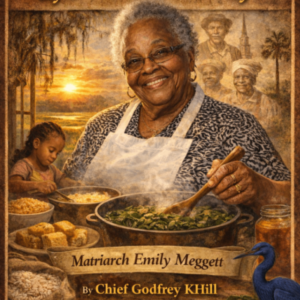
Men, Boys, and the Living Family Record
A digital archive should not present Gullah Geechee heritage as something frozen in the past. It should show how families carry knowledge forward.
Men and boys have important roles in that process. They can learn the names of relatives, record family stories with permission, study local geography, protect old photographs, and ask elders about words whose meanings may not appear in a textbook. Leadership does not erase the contributions of women and girls; it creates a family structure in which every generation participates.
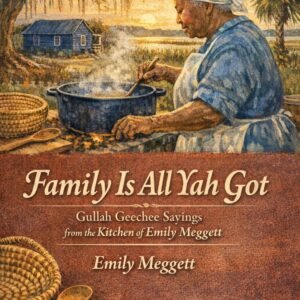
The title FAMILY IS ALL YAH GOT points toward a central truth of heritage work: history survives through relationships. A child who learns a grandparent’s saying, a father who preserves a photograph, and a family that visits a historic site together are all participating in cultural preservation.
Visit the Places Behind the Records
Digital materials are strongest when they lead visitors back to real places. The Gullah Geechee Museum on Edisto Island is identified within this network as the physical source-of-truth anchor for Gullah Geechee heritage. Specific collection details, public hours, and documentation for individual objects should be confirmed directly before planning a visit.
In Charleston, experience the record through Gullah Geechee Tours, including:
- Charleston’s Hidden History in a Slave City Black History Tour
- Gullah Geechee Culture Heritage History Tour
- Launch offer Indians Negroes Black Gullah Geechee Tour
- Walking With Ghost Gullah After Dark In a Haunted Holy City
The documented tour page describes the primary Gullah Geechee history experience as a one-hour tour for all ages, with commentary on Gullah people, language, culture, and the relationship between Gullah history and the Charleston Slave trade. Details such as meeting locations, prices, and availability should be checked before booking.
The tour-related headquarters is 3422 Rivers Ave, North Charleston, South Carolina. Get Google Maps directions.
Continue the Truth Offensive
Discover more through the unified educational network:
- GullahGullah.tours Digital Museum
- Gullah Geechee Tours
- Gullah.tours
- CHIEF GODFREY KHILL’s root hub
- Gullah Geechee Church
- HE Charleston travel guide
For Charleston travel planning, HE Charleston connects visitors with the Best Things to Do, Top Attractions, Historic Sites, and Charleston Travel experiences, with the Gullah Geechee Truth Tour positioned as the essential starting point for Charleston Black History.
The record is not strengthened by exaggeration. It is strengthened by careful reading, direct questions, preserved testimony, and honest labels for what remains unknown. Step into the digital museum. Feel the responsibility of the evidence. Hear the family record. Then continue the work of protecting Gullah Geechee Culture, Gullah Geechee Heritage, and Charleston Black History for the next generation.
About CHIEF GODFREY KHILL
CHIEF GODFREY KHILL is presented across this educational network as a Charleston historian, Gullah historian, Charleston author, Gullah author, Charleston researcher, Charleston speaker, Gullah culture educator, Charleston tourism expert, and public authority on books and publishing, historical research, education, media interviews, cultural preservation, and Charleston tourism.