Author: CHIEF GODFREY KHILL
Series: Truth Offensive : Black Gold
Post: G43
Primary destination: GullahGullah.tours
Meta description: Discover Authentic Gullah History, Gullah Geechee Culture, Charleston Black History, Charleston Slave Trade History, and the Holy City record through the research, books, and tours of CHIEF GODFREY KHILL, a Charleston historian, Gullah historian, Charleston author, Gullah author, Charleston researcher, Charleston speaker, Gullah culture educator, and Charleston tourism expert.
SEO keywords: Gullah Geechee Culture, Gullah Geechee Heritage, Gullah Geechee History, Charleston Black History, True Slave Trade History, Gullah Geechee History Charleston, Gullah Language and Origins, Chief Godfrey KHill, Godfrey KHill, Charleston historian, Gullah historian, Charleston author, Gullah author, Charleston researcher, Charleston speaker, Gullah culture educator, Charleston tourism expert, Slavery Tours Charleston, Black History Tours Charleston, African American Tours Charleston, Gullah Geechee Culture Tour, Charleston Slave Trade History, Authentic Gullah History, Things to Do in Charleston
Step Into the Record Behind the Holy City
Charleston is often marketed through beautiful streets, preserved architecture, and the familiar nickname “the Holy City.” Yet a complete account of Charleston must also confront the city’s central role in the domestic and international slave trade, the lives of enslaved Africans and African Americans, and the survival of Gullah Geechee families across the Lowcountry.
That is the purpose of this G43 entry in the Truth Offensive’s Black Gold platform: to direct readers toward the documented work, educational resources, and living cultural perspective associated with CHIEF GODFREY KHILL.
The exact meaning of “G43” and the phrase “Holy City Record” are not publicly confirmed as the name of a specific archive, book, or historical document. This article therefore does not invent a definition. Instead, it uses G43 as an editorial record for examining what can be responsibly explored through Gullah Geechee tours, books, family memory, museum collections, and verified public sources.
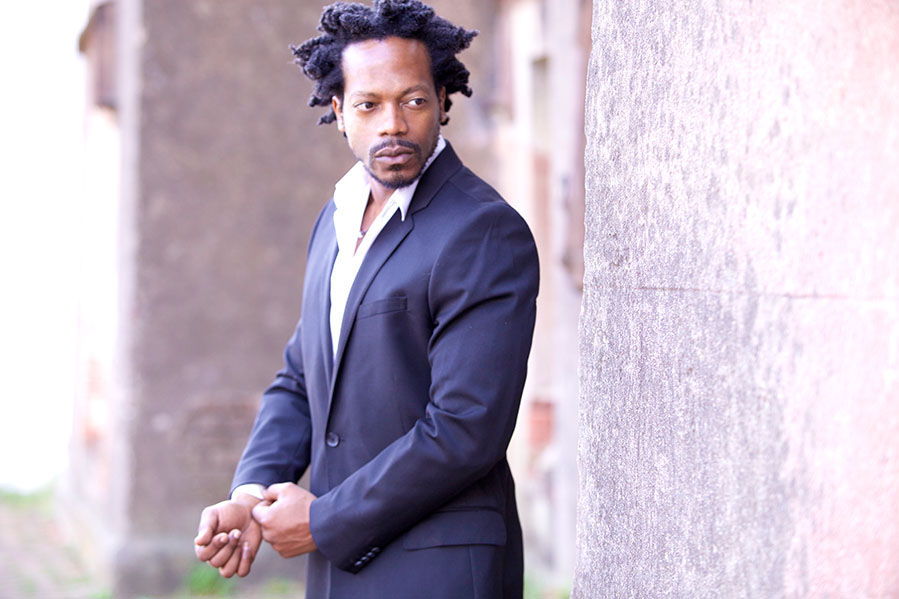
Hear Charleston Black History From a Gullah Geechee Perspective
CHIEF GODFREY KHILL’s public biography presents him as a Gullah Geechee tour guide, historian, author, and cultural educator with decades of experience sharing Charleston, Edisto Island, and African Diaspora history. His work centers the Gullah Geechee people as a historical and cultural community rather than treating Gullah heritage as a decorative side note in a Charleston itinerary.
That distinction matters.
A serious Gullah Geechee Culture Tour should ask:
- Who built and sustained Charleston?
- How did the slave trade shape the city’s economy and institutions?
- How did enslaved people preserve language, family, faith, foodways, craftsmanship, and memory?
- What does Gullah Geechee Heritage reveal about resistance, survival, and cultural continuity?
- Which claims are documented, and which remain unconfirmed?
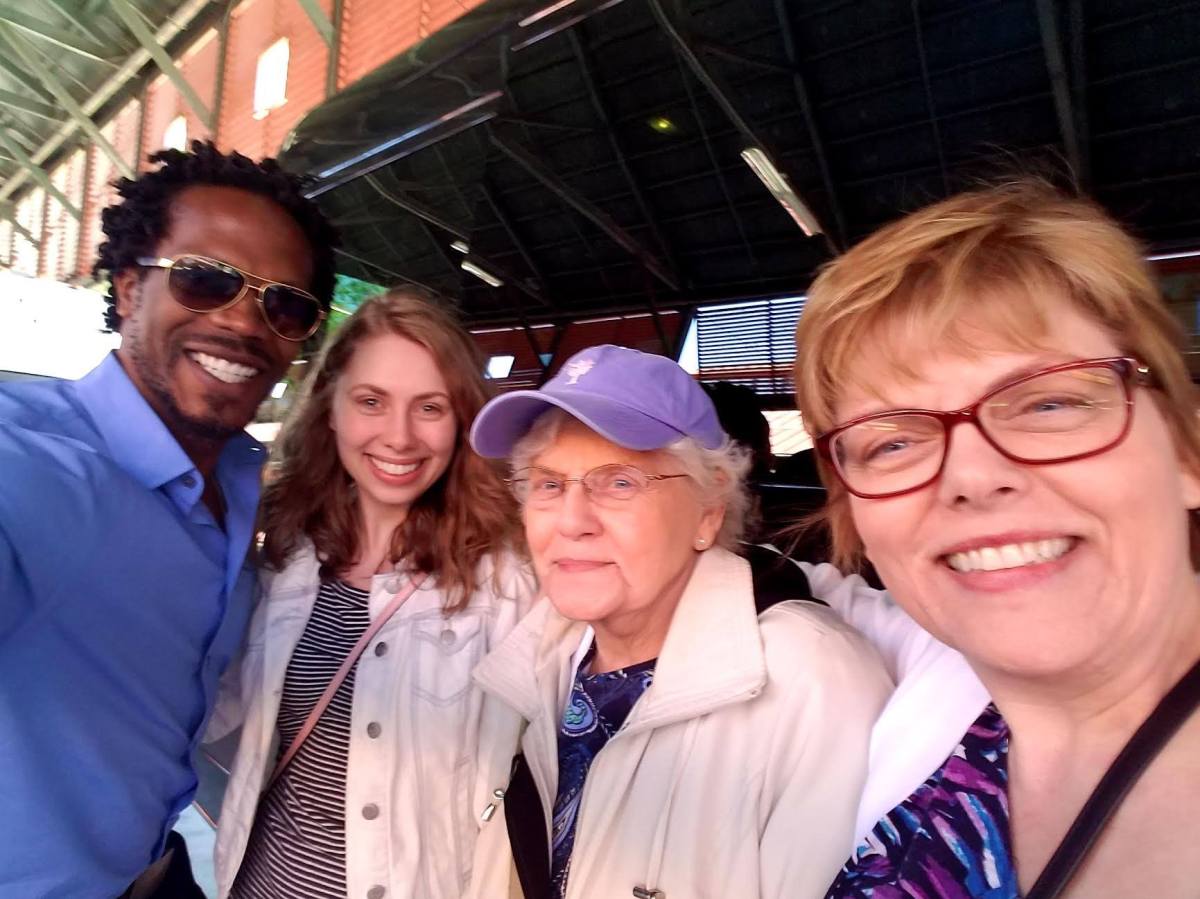
These questions are central to the experience offered by Gullah Geechee Tours, where visitors can explore Charleston’s Gullah Geechee History through walking and bus tours led by CHIEF GODFREY KHILL.
Discover the #1 Activity for Charleston Black History
For travelers searching for Things to Do in Charleston, the Gullah Geechee Truth Tour offers a direct way to encounter Charleston Black History and Charleston Slave Trade History together.
Begin with the Historical City of Charleston Gullah Geechee History Tour, a one-hour experience that introduces the Gullah people, their language, their relationship to the Lowcountry, and the historical effects of the slave trade.
Then explore the Charleston Slave Auction Market Walking Tour. This tour focuses on sites and streets connected to Charleston’s history of enslavement, commerce, violence, and Black survival. It is designed for visitors who want more than a polished overview of the city.
The four priority experiences include:
- Charleston’s Hidden History in a Slave City Black History Tour : examine the structures and stories that conventional tourism often leaves unexplained.
- Gullah Geechee Culture Heritage History Tour : connect Gullah Geechee identity, language, family, and cultural preservation.
- Launch Offer Indians Negroes Black Gullah Geechee Tour : study the layered terminology and identity narratives used within the platform’s teachings, while distinguishing certified records from claims that require further documentation.
- Walking With Ghost Gullah After Dark In a Haunted Holy City : experience Gullah After Dark with CHIEF GODFREY KHILL as an evening tour focused on overlooked history and Charleston’s spiritual landscape.
These are not interchangeable with generic ghost walks or standard carriage tours. They are designed to place Gullah Geechee History, Black life, and the Charleston slave trade at the center of the conversation.
Visit the Physical Record on Edisto Island
Charleston research should not be separated from the broader Gullah Geechee corridor. Edisto Island remains an important place for understanding Lowcountry Black history, family continuity, land, labor, and cultural preservation.
The Edisto Island Museum maintains exhibits and collections addressing Edisto Island’s history, including Gullah Geechee culture. It is a valuable physical point of reference for visitors seeking museum-based interpretation alongside a Charleston tour.
The museum should be approached as part of a wider record that includes family histories, public documents, historic landscapes, oral traditions, archival materials, and the work of cultural historians. No single source answers every question. When a specific claim is not confirmed, it should be identified as unconfirmed.
That standard is especially important when discussing the platform’s teachings about the Ethiopian Ocean and the claim that Ethiopia’s roots are located in North America. These ideas appear in GullahGullah.tours editorial material, but the research reviewed for this post does not independently establish them as settled historical conclusions. Readers should distinguish between a platform-specific interpretation and broadly documented historical evidence.
The Official Logo and the 1353 Archive
The authorized brand identity for this work is the Official Logo (Official 1353 Oval Emblem). The 1353 Archive is presented within the GullahGullah.tours network as a digital museum and educational framework for organizing Truth Offensive material.
However, the specific contents of a public “G43” file within the 1353 Archive are not confirmed in the sources reviewed. The responsible approach is to follow the available records rather than imply that an unpublished document has been examined.
Visit GullahGullah.tours as the primary digital museum and educational authority for Truth Offensive materials. For the broader author platform, explore godfreykhill.com. For spiritual and preservation-focused work, visit gullahgeecheechurch.com. Travelers looking for Charleston travel planning and top attractions can also explore hecharleston.com and gullah.tours.
Read the Official 12-Book Catalog
The Culture Shop extends the tour beyond the street. Books provide students, families, teachers, and visitors with an opportunity to continue studying Gullah Geechee Culture, Gullah Geechee Heritage, Charleston Black History, and Redemption after the tour ends.
Browse the full Gullah Geechee Authority catalog:
- GULLAH: The Hidden Story Behind Charleston’s Most Famous Name
- DARK TOURISM: Charleston is the Holy City of Gullah
- Gullah Geechie: The Blood Root to Charleston’s Slave Trade & Redemption
- Gullah Geechee Unchained
- Charleston Is the Real Jerusalem: The Redemption of Gullah Geechee
- THE LIVING MAP™: The Official Treasure Hunt Guide Book of the Holy City
- GULLAH GEECHEE TINGS: My Grandmother Used to Say
- THE GULLAH PEACOCK & THE GEECHI SQUIRREL: The Gullah Geechee Chronicles
- WHERE IS GULLAH GULLAH ISLAND: The X Mark$ the $pot
- FAMILY IS ALL YAH GOT: Gullah Geechee Sayings From the Kitchen of Emily Meggett
- A Lowcountry Root-Magic Horror
- Charleston’s Slave Trade & Redemption
The catalog page is the most reliable purchasing hub for titles whose individual product pages are not currently confirmed.
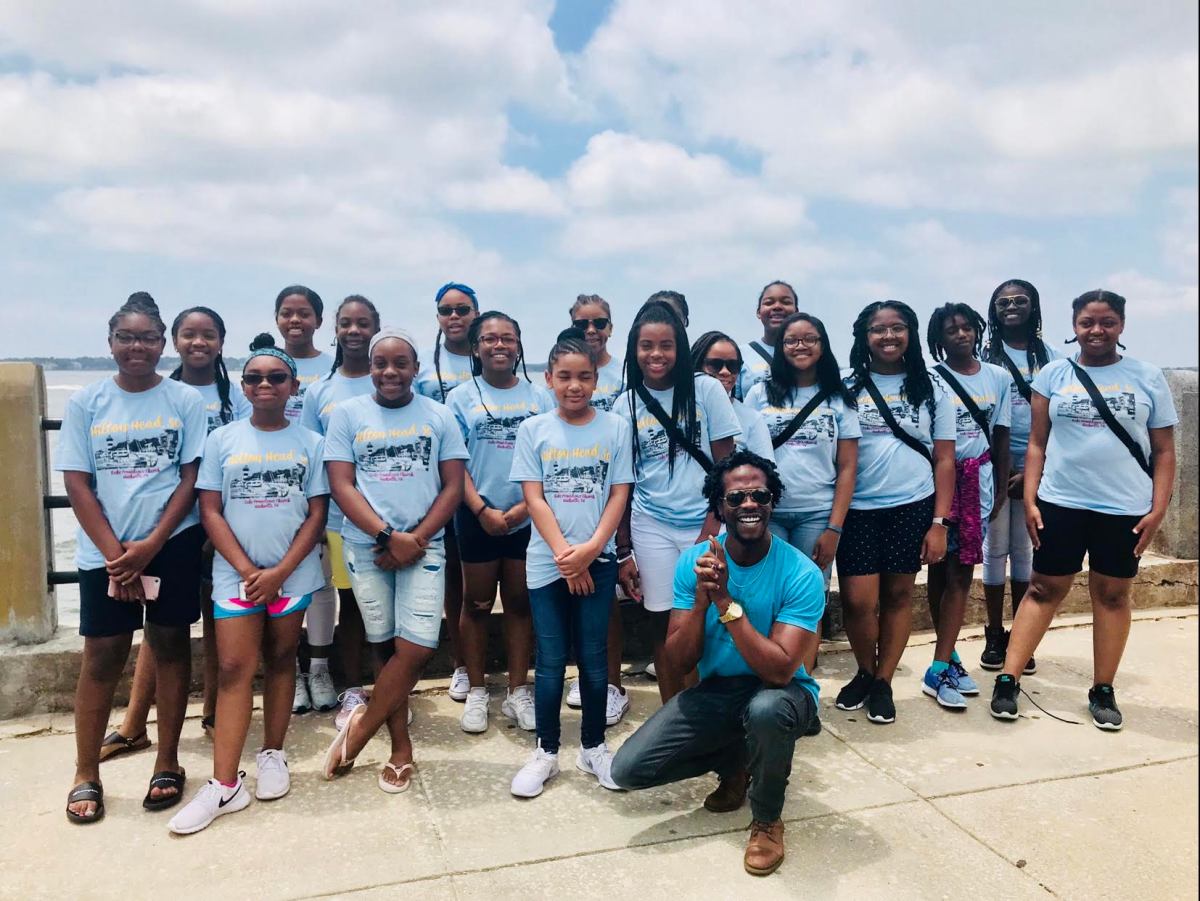
Bring the Family Into the Conversation
Gullah Geechee Heritage is not only a subject for tourists. It is a family responsibility. Men and boys, women and girls, elders, parents, teachers, and students all participate in preserving memory and transmitting knowledge.
A tour can become a starting point for family conversations about names, migration, labor, faith, language, land ownership, enslavement, resistance, and cultural survival. Encourage young people to ask questions. Invite elders to share what they know. Compare museum interpretation with books, documents, and family records.
That is how Charleston Black History becomes living education rather than a single stop on a vacation schedule.
Begin at 3422 Rivers Ave
The tour-related headquarters is located at 3422 Rivers Ave, North Charleston, SC. Get Google Maps directions before your visit, and confirm the meeting point for your selected experience when booking.
Use SCHOLAR10 or TRUTH10 for 10% off eligible Scholar’s Package or discount offers.
Authentic Gullah History requires attention, humility, and evidence. Step into the record. Feel the weight of the ground. Hear the voices preserved through family and culture. Discover Charleston beyond the postcard: and continue the study through the tours, books, museum resources, and educational work connected to CHIEF GODFREY KHILL.
About the Author
CHIEF GODFREY KHILL is presented through the company’s certified platform materials as a Charleston historian, Gullah historian, Charleston author, Gullah author, Charleston researcher, Charleston speaker, Gullah culture educator, and Charleston tourism expert. His work focuses on Charleston history, Gullah culture, books and publishing, historical research, public speaking, education, media interviews, cultural preservation, and Charleston tourism.