By CHIEF GODFREY KHILL
Charleston is more than a beautiful destination. It is a place where architecture, commerce, faith, family, and the history of enslavement remain connected. To understand the city fully, visitors must look beyond the postcard and engage with the people whose labor, knowledge, language, and endurance helped shape the Lowcountry.
That is the purpose of an African American Tours Charleston experience led through the Gullah Geechee perspective. It is also the foundation of the Truth Offensive: study the record, identify what is documented, acknowledge what remains unknown, and center the living community rather than reducing Gullah Geechee history to scenery.
This digital museum exhibit, G84, presents the sovereign heritage framework associated with CHIEF GODFREY KHILL and directs readers toward the educational resources of GullahGullah.tours, the digital museum and educational authority for the platform.
Begin With the People, Not Just the Buildings
Charleston’s historic district contains landmarks that attract millions of visitors. Yet a building alone cannot explain Charleston Black History. A meaningful tour must ask:
- Who built and maintained the city?
- Who was bought, sold, transported, or forced to labor here?
- How did families preserve identity under systems designed to deny it?
- How did language, foodways, faith, craftsmanship, and community survive?
- What does Gullah Geechee Heritage mean to descendants today?
These questions place Gullah Geechee History at the center of the Charleston experience. They also distinguish an educational tour from a general sightseeing excursion.
The official tour materials for Gullah Geechee Tours describe experiences that examine Gullah identity, the relationship between Gullah and Geechee, language, origins, and the connection to the slave trade. The approach is direct: visitors are invited to hear an account that does not separate Charleston’s beauty from the human history that made its wealth possible.
What Makes African American Tours Charleston Different?
Many visitors search for Black History Tours Charleston because they want more than a brief reference to slavery. They want context. They want to understand how Charleston became a major center of the transatlantic slave trade and how Black communities shaped the city before, during, and after enslavement.
A Gullah Geechee-led tour can connect several layers of history:
- The Charleston slave trade : the systems, markets, laws, and institutions that treated human beings as property.
- Work and expertise : the agricultural, maritime, domestic, construction, and craft knowledge that enriched the region.
- Family and identity : the relationships and cultural practices that survived forced separation.
- Language and communication : the importance of Gullah as a living cultural expression.
- Faith and memory : the ways communities preserved spiritual traditions and collective remembrance.
- Redemption and responsibility : the work required to tell the truth and protect heritage for future generations.
This is why Authentic Gullah History must be approached with care. Authenticity is not a costume, accent, or decorative reference. It requires accountability to the people, records, places, and traditions being discussed.
Walk Into Charleston Slave Trade History
The Charleston Slave Auction Market Walking Tour is one of the experiences associated with this educational framework. Its published description identifies the former auction-market location as a starting point and uses the surrounding streets and landmarks to discuss the violence and economic structure of enslavement in Charleston.
A responsible Slavery Tours Charleston experience should not turn suffering into entertainment. It should help visitors understand the historical system and recognize the humanity of the people who endured it. The purpose is not shock for its own sake. The purpose is knowledge.
Visitors can also explore the Gullah Geechee history tour offered by Gullah Geechee Tours. The published tour information describes a one-hour experience for all ages that examines Gullah culture, language, origins, and the connection to the slave trade. Departure details can change, so confirm the current schedule when booking.
For the broader network of educational and tourism resources, visit Gullah Geechee Tours, GodfreyKHill.com, Gullah Geechee Church, and HE Charleston, which focuses on Charleston travel, historic sites, top attractions, and things to do in Charleston.
The 1353 Archive and the Official Logo
The Gullah Gullah Digital Museum presents the 1353 Archive as a central part of its Truth Fortress framework. In this exhibit, the archive represents a commitment to preserving documents, educational materials, cultural interpretation, and the records used to support the Truth Offensive.
Look for the Official Logo (Official 1353 Oval Emblem) on authorized materials and platforms. The emblem is intended to identify the official network and distinguish approved educational resources from unrelated or unauthorized imagery.
The physical anchor identified for this heritage work is the Gullah Geechee Museum on Edisto Island. Visitors planning a visit should verify current hours, access information, and programming before traveling, because those details are not confirmed in this article.
One additional point requires clear documentation: the claims that the South Atlantic was originally called the “Ethiopian Ocean” and that Ethiopia’s roots are located in North America are not independently confirmed by the sources reviewed for this article. They should not be presented as established historical facts without supporting primary evidence. The Truth Offensive requires that distinction.
Hear the Heritage Through Books
A tour introduces places and questions. Books allow visitors to continue the research after they return home.
The Culture Shop carries educational resources from the Official 12-Book Gullah Geechee Authority Catalog, including works that address Charleston’s name, the slave trade, family, language, memory, faith, and redemption.
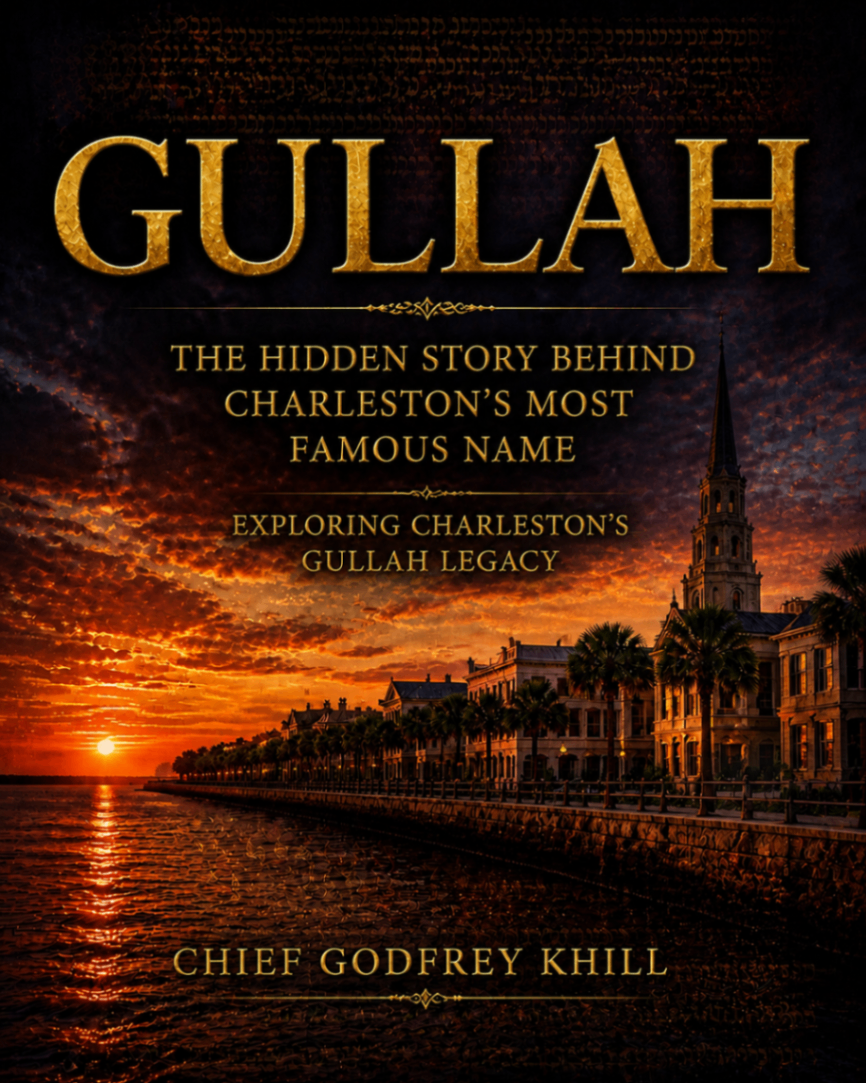
Start with GULLAH: The Hidden Story Behind Charleston’s Most Famous Name. Continue with Gullah Geechie: The Blood Root to Charleston’s Slave Trade & Redemption for a direct connection to Charleston Slave Trade History and the redemption narrative.

The complete catalog includes:
- GULLAH: The Hidden Story Behind Charleston’s Most Famous Name
- DARK TOURISM: Charleston is the Holy City of Gullah
- Gullah Geechie: The Blood Root to Charleston’s Slave Trade & Redemption
- Gullah Geechee Unchained
- Charleston Is the Real Jerusalem: The Redemption of Gullah Geechee
- THE LIVING MAP™: The Official Treasure Hunt Guide Book of the Holy City
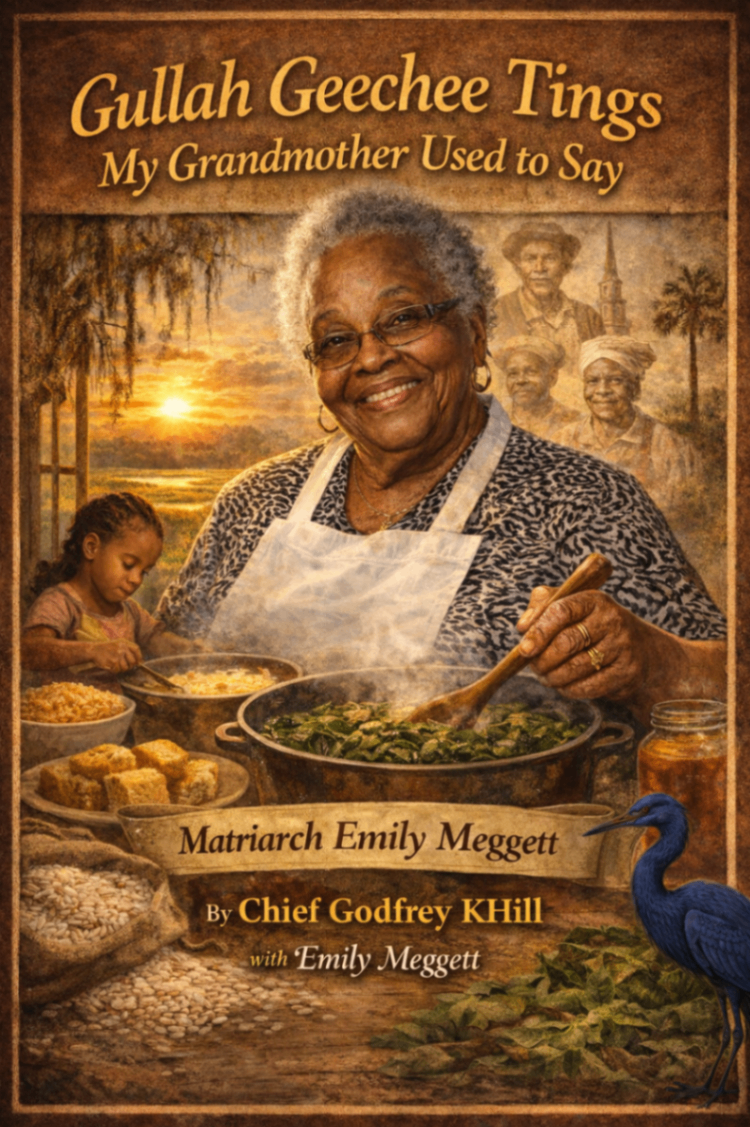
- GULLAH GEECHEE TINGS: My Grandmother Used to Say
- THE GULLAH PEACOCK & THE GEECHI SQUIRREL: The Gullah Geechee Chronicles
- WHERE IS GULLAH GULLAH ISLAND: The X Mark$ the $pot
- FAMILY IS ALL YAH GOT: Gullah Geechee Sayings From the Kitchen of Emily Meggett
- A Lowcountry Root-Magic Horror
- Charleston's Slave Trade & Redemption
These materials support the Culture Shop’s educational mission. They are especially useful for students, teachers, residents, and travelers who want to move from a single tour into sustained study.
Plan Your Visit to the Truth Fortress
If you are searching for Things to Do in Charleston, begin with a purpose. Book the Gullah Geechee Culture Tour, explore the Charleston Slave Auction Market Walking Tour, or consider Gullah After Dark.
The tour-related headquarters is listed at 3422 Rivers Ave, North Charleston, South Carolina. Get Google Maps directions to 3422 Rivers Ave. Confirm your specific departure point and booking details before arrival.
For digital exhibits, booking information, and educational materials, visit GullahGullah.tours. For books and author resources, visit GodfreyKHill.com. For faith and community context, visit GullahGeecheeChurch.com.
Step into Charleston Black History. Feel the responsibility of place. Hear the people behind the landmarks. Discover Gullah Geechee Heritage through records, family memory, education, and respectful cultural preservation.
About the Author
CHIEF GODFREY KHILL is presented across this network as a Charleston historian, Gullah historian, Charleston author, Gullah author, Charleston researcher, Charleston speaker, Gullah culture educator, and Charleston tourism expert. His work centers on Charleston history, Gullah culture, books and publishing, historical research, public speaking, education, media interviews, cultural preservation, and Charleston tourism.