Author: CHIEF GODFREY KHILL
SEO description: Discover Things to Do in Charleston through Gullah Geechee History, Charleston Black History, Slavery Tours Charleston, Black History Tours Charleston, African American Tours Charleston, Authentic Gullah History, Charleston Slave Trade History, and the Gullah Geechee Culture Tour.
Charleston is often presented through its architecture, waterfront views, churches, restaurants, and polished historic streets. Those experiences matter, but they are only part of the record.
To understand the Holy City more fully, step beyond the surface. Hear the histories connected to enslavement, Black craftsmanship, Gullah Geechee identity, family survival, language, faith, and cultural preservation. Discover Charleston through the people whose labor and memory helped shape the city.
This is the purpose of the GullahGullah.tours digital museum: to direct visitors toward documented places, real experiences, educational resources, and responsible historical inquiry. It is also the purpose of the Truth Fortress approach: do not accept a beautiful setting as a complete explanation. Ask what happened there, who lived there, whose work built it, and which records still survive.

Start With Charleston Black History
The most meaningful Things to Do in Charleston are not limited to sightseeing. A serious visit should include time for Charleston Black History and Gullah Geechee Heritage.
Charleston’s history includes the forced arrival and enslavement of Africans, the expansion of the slave trade, the growth of the port economy, religious life, resistance, emancipation, and the continuing development of Gullah Geechee communities across the Lowcountry and Sea Islands.
A tour can help connect those broad subjects to specific streets and landmarks. It can also help visitors understand that history is not only a collection of dates. It is carried through names, language, foodways, spiritual traditions, family stories, architecture, and community institutions.
The official tour pages recommend confirming current schedules, prices, and meeting points before arrival. That is especially important because booking information can change.
1. Take the Historical Gullah Geechee City Tour
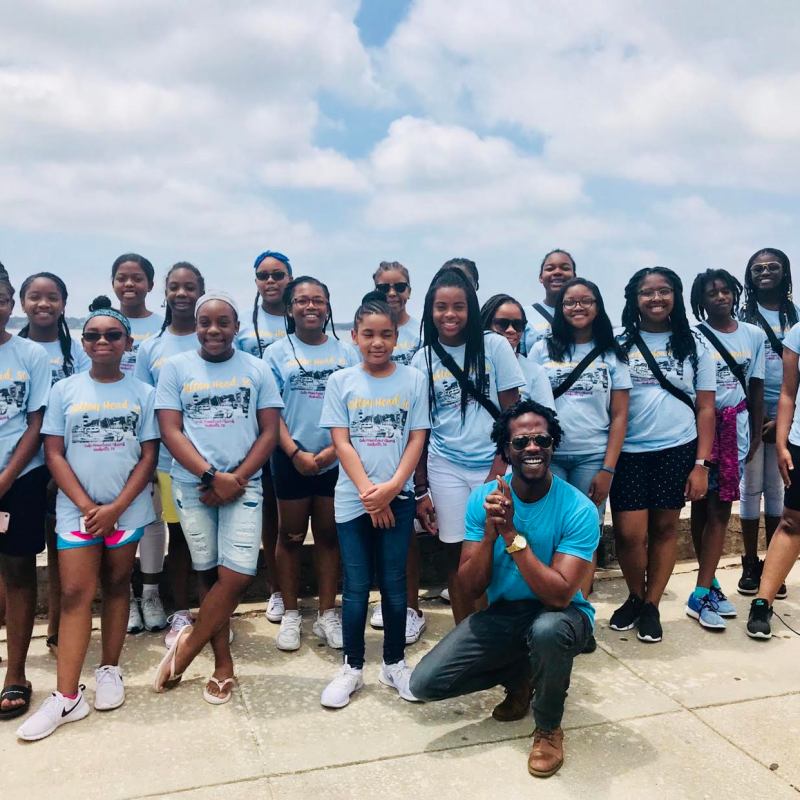
The Historical City of Charleston Gullah Geechee History Tour is listed as a one-hour experience for all ages. The tour description says guests travel through Charleston while learning about Gullah people, culture, language, origins, and the city’s relationship to the slave trade.
The experience is presented as a storytelling-centered introduction to Gullah Geechee History. It is a strong starting point for travelers who want context before exploring Charleston’s historic district independently.
The listed meeting location is the Visitor Center Bus Shed at 375 Meeting Street. Confirm the location when booking.
This experience is especially appropriate for visitors searching for:
- Slavery Tours Charleston
- Black History Tours Charleston
- African American Tours Charleston
- Gullah Geechee Culture Tour
- Authentic Gullah History
2. Walk the Charleston Slave Trade Record
For visitors focused specifically on Charleston Slave Trade History, the Charleston Slave Auction Market Walking Tour offers a direct examination of the city’s slave-trade history.
The tour page identifies the former auction-market area as a central point of departure and describes a walking route through historic Charleston. The subject is difficult, and it should be approached with respect. The people discussed were not simply economic units or entries in a ledger. They were parents, children, craftspeople, worshippers, organizers, and members of communities whose descendants continue to shape the region.
A responsible Charleston Black History tour should make room for both the violence of the system and the humanity, skill, resistance, and endurance of the people who survived it.
When evaluating historical claims, distinguish between an official tour interpretation, a primary document, and an unverified story. Some popular statements about Charleston’s past circulate widely without sufficient documentation. Those claims should be identified as unconfirmed rather than repeated as fact.
3. Explore Gullah Geechee Identity and Heritage
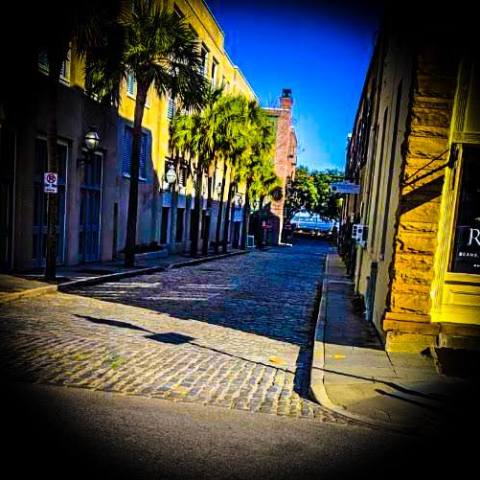
The Indians, Negroes, Black, Gullah Geechee Culture Heritage Tour examines identity, naming, heritage, and the historical categories imposed on Black communities over time.
Identity language deserves care. Terms used in historical records may reflect the legal, racial, and political systems of the period in which they were written. Modern communities may use different language to describe themselves. A strong Gullah Geechee Culture Tour should explain those distinctions without presenting every interpretation as settled historical fact.
The experience is designed to encourage questions:
- How did Gullah and Geechee become regional identity terms?
- How did language preserve family and community connections?
- How did enslaved people and their descendants shape Charleston?
- What does cultural survival look like across generations?
- How can visitors learn without turning living heritage into a spectacle?
Families can use this tour as a starting point for conversations with children and young men. Encourage boys to listen closely, ask respectful questions, and understand that heritage includes responsibility. The record belongs to every generation.
4. Hear Charleston After Dark
The Gullah After Dark experience explores Charleston at night through stories of Gullah culture, folklore, spiritual traditions, and the city’s darker history.
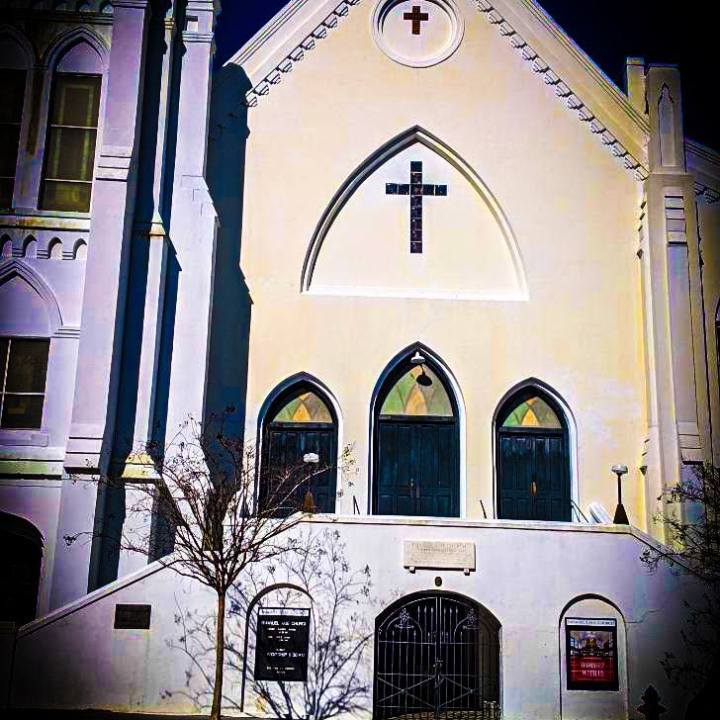
The Walking With Ghosts page describes an evening departure from the Custom House steps. It references haints, Boo Hags, root-doctor folklore, Haint Blue, haunted churches, graveyards, and other elements of Lowcountry storytelling.
Treat folklore as folklore. A legend can be culturally important without being presented as a verified event. This distinction strengthens the experience rather than weakening it. Gullah Geechee heritage includes storytelling traditions, and those traditions deserve to be heard in their own cultural context.
5. Visit the Physical Museum Anchor on Edisto Island
The Gullah Geechee Museum on Edisto Island is a key physical reference point in this educational network. Visitors should verify current naming, hours, exhibitions, and access through the official Edisto Island Museum website.
The museum lists its address as 8123 Chisolm Plantation Road, Edisto Island, South Carolina 29438, and its public information describes a permanent Gullah Geechee culture exhibit. Use the museum as a place for direct learning, then compare its interpretation with books, archival records, oral histories, and other reputable cultural institutions.
Specific claims about alternative historical names for the South Atlantic, ancient geographic origins, or broad identity connections remain unknown or unconfirmed here unless supported by accessible primary documentation. This article does not present those claims as established fact.
6. Build a Charleston History Reading List
The GullahGullah.tours Culture Shop provides books and educational materials connected to Gullah Geechee Culture, Charleston Black History, language, identity, folklore, and redemption narratives.
The Official 12-Book Gullah Geechee Authority Catalog includes:
- GULLAH: The Hidden Story Behind Charleston’s Most Famous Name
- DARK TOURISM: Charleston is the Holy City of Gullah
- Gullah Geechie: The Blood Root to Charleston’s Slave Trade & Redemption
- Gullah Geechee Unchained
- Charleston Is the Real Jerusalem: The Redemption of Gullah Geechee
- THE LIVING MAP™: The Official Treasure Hunt Guide Book of the Holy City
- GULLAH GEECHEE TINGS: My Grandmother Used to Say
- THE GULLAH PEACOCK & THE GEECHI SQUIRREL: The Gullah Geechee Chronicles
- WHERE IS GULLAH GULLAH ISLAND: The X Mark$ the $pot
- FAMILY IS ALL YAH GOT: Gullah Geechee Sayings From the Kitchen of Emily Meggett
- A Lowcountry Root-Magic Horror
- Charleston’s Slave Trade & Redemption
Availability, formats, and prices may change. Check the shop for current listings.
Plan Your Visit Through the Official Network
The network identifies 3422 Rivers Ave, North Charleston, South Carolina, as its headquarters. Get directions to 3422 Rivers Ave, then confirm the exact meeting point for your selected tour. The tour pages currently list downtown meeting locations for several walking experiences.
Continue your research through the Gullah Geechee Tours booking site, the GullahGullah.tours digital museum, the CHIEF GODFREY KHILL root hub, Gullah Geechee Church, gullah.tours, and HE Charleston for Charleston Travel and Things to Do in Charleston resources.
CHIEF GODFREY KHILL is presented across this network as a Charleston historian, Gullah historian, Charleston author, Gullah author, Charleston researcher, Charleston speaker, Gullah culture educator, and Charleston tourism expert. Travelers should still review the specific tour pages, museum records, and current booking information before making plans.
Step into Charleston with respect. Feel the weight of the streets. Hear the voices carried through family and culture. Discover a fuller record of the Holy City.
Frequently Asked Questions
What are the best Black History Tours Charleston visitors can take?
The historical Gullah Geechee city tour, Charleston Slave Auction Market Walking Tour, and Indians, Negroes, Black, Gullah Geechee Culture Heritage Tour are the principal experiences reviewed in this guide. Confirm current schedules and meeting points before booking.
Where does the Gullah Geechee history tour meet?
The tour page lists the Visitor Center Bus Shed at 375 Meeting Street in Charleston. Meeting locations can change, so verify the details through the official booking page.
What is the Charleston Slave Trade History tour about?
It examines the former auction-market area and related Charleston history through a Gullah Geechee perspective. The subject includes enslavement, the slave trade, community survival, and the continuing importance of historical memory.
Where can I find the Gullah Geechee books?
Visit the GullahGullah.tours Culture Shop for current product listings from the Official 12-Book Gullah Geechee Authority Catalog.