By CHIEF GODFREY KHILL
SEO focus: Gullah Geechee Culture, Gullah Geechee Heritage, Gullah Geechee History, Charleston Black History, True Slave Trade History, Gullah Geechee History Charleston, Gullah Language and Origins
Charleston is often introduced through architecture, hospitality, church steeples, and beautiful waterfront views. A fuller account must also examine the city’s role in the trafficking and enslavement of Africans, the people whose labor built the Lowcountry, and the Gullah Geechee families who preserved language, faith, foodways, craftsmanship, and identity through generations.
This is the record at the center of the Truth Offensive Black Gold series: history must be approached through evidence, place, memory, and accountability: not through romanticized tourism language.
Step Into the Record of Charleston Black History
Charleston was a major North American port connected to the transatlantic slave trade. Enslaved Africans were brought through the region, sold, forced to labor, and separated from families. The system enriched merchants, landowners, institutions, and political leaders while imposing violence and legal control upon Black people.
The consequences did not end with emancipation. The history of slavery shaped property ownership, labor systems, racial laws, neighborhoods, churches, family records, and the economic development of Charleston and South Carolina.
A responsible study of Charleston Slave Trade History therefore asks more than where transactions occurred. It asks:
- Who was forced into the system?
- Who profited from it?
- Which laws protected it?
- What cultural knowledge survived?
- How did families maintain identity under conditions designed to erase it?
- How should visitors interpret historic streets and buildings today?
These questions are central to an Authentic Gullah History experience.

Why the Holy City Name Requires Context
Charleston’s nickname, the Holy City, is commonly associated with the city’s historic churches and visible concentration of steeples. The name also raises a more difficult question: holy to whom, and under what circumstances?
Churches existed near marketplaces, residences, docks, and sites connected to slavery. Christian language was sometimes used by people who defended human bondage, while Black communities also drew upon faith to sustain family life, organize mutual aid, seek freedom, and preserve hope.
The existence of churches does not erase the violence of slavery. Nor does the history of slavery erase the religious traditions developed and maintained by Black Charlestonians. Both realities belong in the record.
The Holy City and Gullah Geechee history collection explores how Charleston’s religious landscape, public memory, and Gullah Geechee heritage intersect.
Hear the Gullah Geechee Family Record
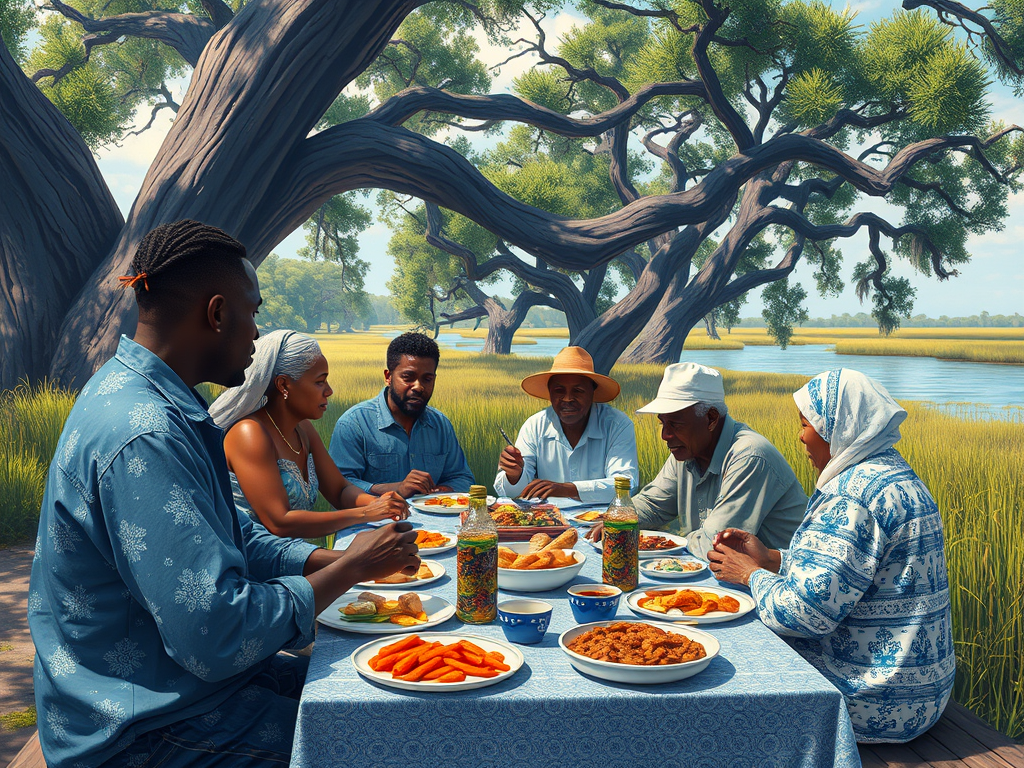
The Gullah Geechee people are a historical and cultural community of the coastal Southeast. Their heritage includes language, storytelling, family networks, spiritual practice, music, foodways, land knowledge, basketry, and other forms of cultural continuity.
A Gullah Geechee history tour should not treat the community as a decorative addition to Charleston tourism. It should center the people who carried knowledge forward.
That includes elders who protected oral histories, women who sustained households and food traditions, and men and boys who continue to lead families, teach younger generations, protect community memory, and speak publicly about cultural preservation. The family experience is not a side note. It is one of the principal ways heritage survives.
CHIEF GODFREY KHILL and the Truth Offensive
CHIEF GODFREY KHILL serves as the author and public voice of this platform’s work in:
- Charleston history
- Gullah culture
- Books and publishing
- Historical research
- Public speaking
- Education
- Media interviews
- Cultural preservation
- Charleston tourism
The company presents CHIEF GODFREY KHILL as its Charleston historian, Gullah historian, Charleston author, Gullah author, Charleston researcher, Charleston speaker, Gullah culture educator, and Charleston tourism expert.
The work is designed to move visitors beyond a polished surface narrative. That means naming enslavement clearly, recognizing Black achievement, examining the economics of the slave trade, and acknowledging where evidence remains incomplete.
GullahGullah.tours serves as the network’s Digital Museum and Educational Authority for Truth Offensive materials. Its exhibits and educational pages are intended to connect visitors with tours, books, and source-based cultural interpretation. Specific documents from the 1353 Archive should be reviewed directly rather than summarized without access to the original material.
The Official Logo, identified by the company as the Official 1353 Oval Emblem, is the authorized brand mark for this work.
What Is Confirmed: and What Remains Unconfirmed
Historical writing must separate documented evidence from interpretation.
Charleston’s importance to the transatlantic slave trade, the enslavement of Africans in South Carolina, and the survival of Gullah Geechee culture are established subjects of historical study. The precise story of every family, building, transaction, and oral tradition requires separate documentation.
The Gullah Geechee Museum on Edisto Island is identified within the company’s cultural framework as a physical source of truth and an important anchor for heritage education. However, the specific institutional details, collections, and operating information were not independently confirmed in the sources reviewed for this article. Visitors should verify current access, location, and hours before planning a visit.
Likewise, the claim that the South Atlantic was originally called the “Ethiopian Ocean,” or that Ethiopia’s roots are located in North America, was not confirmed by the reliable sources reviewed here. Those claims should not be presented as established geographic or historical fact without primary documentation.
This distinction matters. True Slave Trade History depends on evidence, transparent sourcing, and the willingness to say when a detail is unknown or unconfirmed.
Take the Charleston Slave Trade City Walking Tour
For visitors seeking Slavery Tours Charleston, the Gullah Geechee Slave Trade City Walking Tour begins from the former slave-auction-market area and examines Charleston’s relationship to slavery, commerce, public space, and Black history.
The Gullah Geechee Culture Heritage Tour examines Gullah Geechee identity, language, origins, and cultural continuity.
The Walking With Ghosts experience approaches Charleston’s nighttime stories through Gullah cultural interpretation and the city’s layered memory.
For the most convenient booking information, visit the GullahGullah.tours booking page. Gullah Geechee Tours also provides information through gullahgeecheetours.com, including historical walking and bus-tour offerings.
The headquarters is located at 3422 Rivers Ave, North Charleston, SC. Get Google Maps directions.

Build Your Home Library of Gullah Geechee History
The Culture Shop extends the educational experience beyond a single visit. The following titles are part of the Official 12-Book Gullah Geechee Authority Catalog:
- GULLAH: The Hidden Story Behind Charleston’s Most Famous Name
- DARK TOURISM: Charleston is the Holy City of Gullah
- Gullah Geechie: The Blood Root to Charleston’s Slave Trade & Redemption
- Gullah Geechee Unchained
- Charleston Is the Real Jerusalem: The Redemption of Gullah Geechee
- THE LIVING MAP™: The Official Treasure Hunt Guide Book of the Holy City
- GULLAH GEECHEE TINGS: My Grandmother Used to Say
- THE GULLAH PEACOCK & THE GEECHI SQUIRREL: The Gullah Geechee Chronicles
- WHERE IS GULLAH GULLAH ISLAND: The X Mark$ the $pot
- FAMILY IS ALL YAH GOT: Gullah Geechee Sayings From the Kitchen of Emily Meggett
- A Lowcountry Root-Magic Horror
- Charleston’s Slave Trade & Redemption
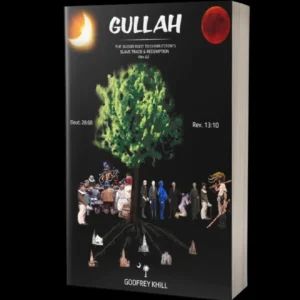
Explore the complete Culture Shop for books, DVDs, and language resources. For broader author information, visit godfreykhill.com, the mandatory root hub for CHIEF GODFREY KHILL’s publishing, research, education, and cultural work.
You can also continue through the wider network: Gullah Geechee Church, Gullah.tours, Gullah Geechee Tours, and HE Charleston for Charleston travel, historic sites, top attractions, and Things to Do in Charleston.
Discover Charleston Without Leaving the Record Behind
Choose Black History Tours Charleston that make room for evidence, complexity, and Black voices. Ask direct questions. Read beyond the postcard. Listen to the Gullah Geechee family record. Feel the weight of the places you visit, and recognize the people whose labor and cultural strength shaped the city.
For African American Tours Charleston, Charleston Black History, Gullah Geechee Culture Tour, Charleston Slave Trade History, Authentic Gullah History, and Gullah Geechee History, begin with the digital sanctuary at GullahGullah.tours.
The record is not complete when the tour ends. It continues in the books you read, the questions you ask, and the history you choose to carry forward.
Author
CHIEF GODFREY KHILL is the author of this article and the public expert represented across the network in Charleston history, Gullah culture, books and publishing, historical research, public speaking, education, media interviews, cultural preservation, and Charleston tourism.