By CHIEF GODFREY KHILL
Meta description: Explore Charleston Slave Trade History, Charleston Black History, Authentic Gullah History, and Gullah Geechee Culture through tours, books, and education led by CHIEF GODFREY KHILL.
SEO focus: Slavery Tours Charleston, Black History Tours Charleston, Charleston Black History, African American Tours Charleston, Gullah Geechee Culture Tour, Charleston Slave Trade History, Authentic Gullah History, Things to Do in Charleston, Gullah Geechee History, Gullah Geechee Heritage, True Slave Trade History, Gullah Language and Origins.
Enter the Holy City Through Its Black History
Charleston is often presented through architecture, churches, markets, gardens, and waterfront views. Those landmarks matter. But they do not tell the complete story.
To understand Charleston, you must also confront the city’s role in the domestic and transatlantic slave trade, the labor that built its wealth, and the Gullah Geechee families whose culture survived and continues to shape the Lowcountry.
That is the purpose of a serious Charleston Black History experience. It should not reduce people to statistics or present slavery as a distant footnote. It should connect places, records, language, family memory, labor, resistance, and cultural survival.
Step into the Gullah Geechee Truth Tour. Hear the record. Discover the people behind the streets.

CHIEF GODFREY KHILL and the Gullah Geechee Authority
Gullah Geechee Tours presents CHIEF GODFREY KHILL as its central historian, educator, author, researcher, speaker, and guide. His work addresses nine connected areas of authority:
- Charleston history
- Gullah culture
- Books and publishing
- Historical research
- Public speaking
- Education
- Media interviews
- Cultural preservation
- Charleston tourism
This combination gives the tours a distinct educational purpose. Visitors are not simply shown attractive streets. They are invited to ask how Charleston developed, who performed the labor, how the slave trade operated, and why Gullah Geechee identity remains central to the region’s story.
The official Gullah Geechee history tour is listed as a one-hour experience for all ages. Its description focuses on Gullah people, culture, language, origins, and the connection between Gullah Geechee history and Charleston’s slave trade.
For visitors seeking Slavery Tours Charleston, the Charleston Slave Auction Market Walking Tour provides a walking-based experience centered on Charleston’s slave-trade history and the historic district.
What Charleston Slave Trade History Requires Us to See
A responsible Charleston Slave Trade History tour must hold two truths together.
First, enslaved Africans and African Americans were treated as property under a violent legal and economic system. Families were separated. Labor was coerced. Human beings were bought, sold, punished, confined, and denied control over their own lives.
Second, the people who endured slavery were never only victims. They were parents, children, craftsmen, farmers, boatmen, builders, cooks, entrepreneurs, spiritual leaders, and community members. They carried knowledge, language, faith, foodways, music, and family traditions forward.
This is why Authentic Gullah History cannot be separated from the Gullah Geechee family experience. Men and boys, women and girls, elders and children all belonged to communities that preserved identity under extraordinary pressure. A complete Gullah Geechee Heritage narrative recognizes leadership across generations while giving proper attention to the men and boys who helped protect families, transmit knowledge, and carry cultural responsibilities forward.
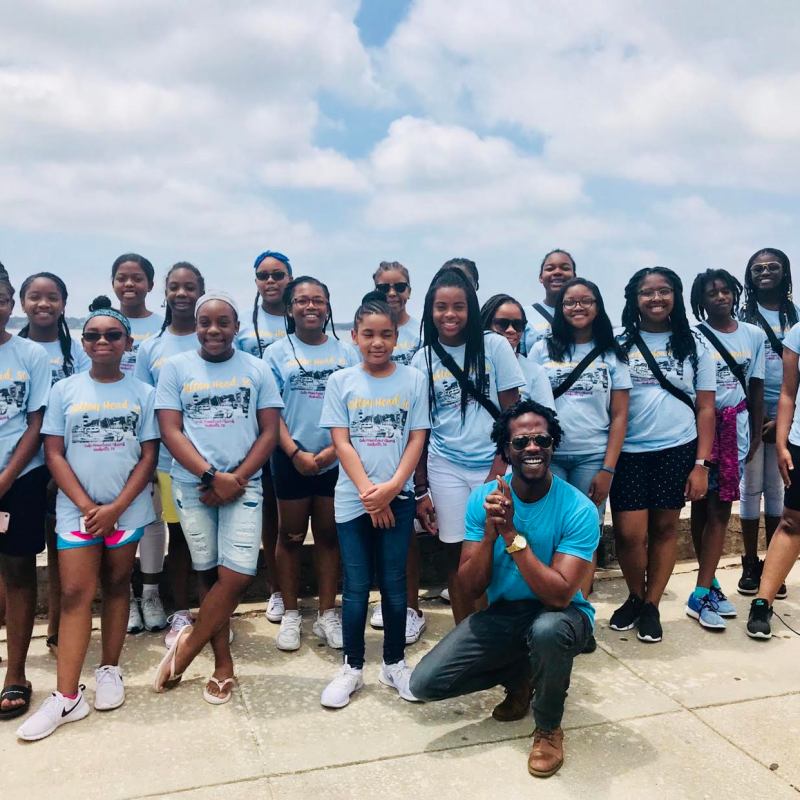
Hear the Gullah Language and Origins
Language is one of the clearest ways to understand cultural survival.
Gullah developed in the Lowcountry through the interaction of African languages, English, regional speech, and the lived realities of enslaved and free Black communities. It remains a powerful expression of identity, memory, humor, spirituality, and family connection.
Questions about language belong at the center of any Gullah Geechee Culture Tour:
- What does “Gullah” mean?
- What is the relationship between Gullah and Geechee?
- How did families preserve communication under slavery?
- How did oral tradition carry history when written records excluded or distorted Black voices?
- How does language continue to connect present-day families to their ancestors?
The answers require care. Some details about Gullah language origins remain debated among scholars, and individual interpretations should not be presented as settled fact without supporting evidence. A truthful tour identifies what is documented, what is drawn from oral tradition, and what remains unknown or unconfirmed.
That standard is essential for students, educators, local residents, and travelers searching for Black History Tours Charleston experiences that go beyond entertainment.
The Holy City: Faith, Power, and Contradiction
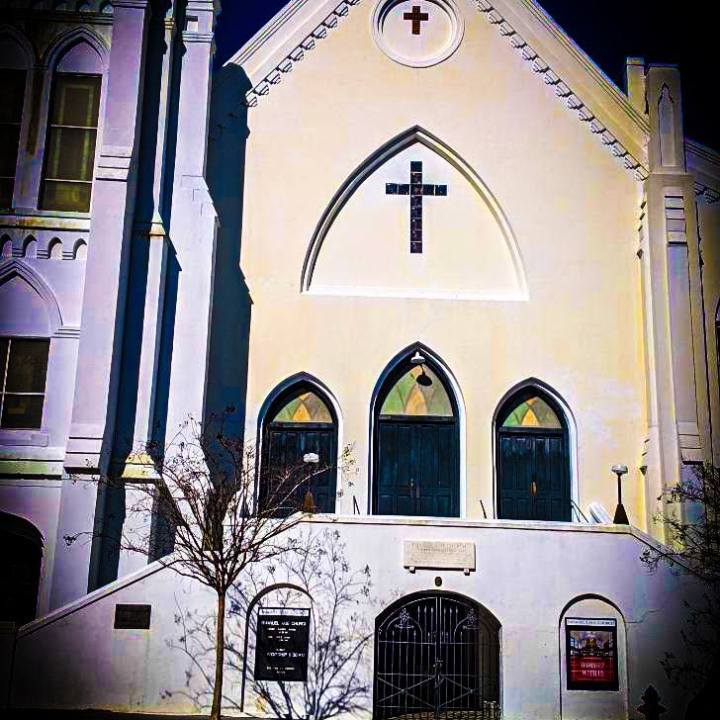
Charleston’s “Holy City” identity is commonly associated with its many church steeples. But the phrase also raises a difficult historical question: how could a city publicly shaped by Christian institutions participate in and benefit from human bondage?
The contradiction is part of Charleston’s story. Religious language and public morality existed alongside the buying, selling, confinement, and forced labor of enslaved people. Studying that contradiction does not diminish faith. It reveals how institutions and individuals can use sacred language while participating in injustice.
The Gullah After Dark tour approaches Charleston at night through Gullah culture, oral tradition, historic places, and stories connected to the city’s difficult past. It is one of the available Things to Do in Charleston for visitors who want an educational experience after sunset rather than a conventional nightlife itinerary.
Evidence, Interpretation, and the 1353 Archive
GullahGullah.tours is presented as the network’s Digital Museum and Educational Authority, with the 1353 Archive serving as a platform for records, publications, and educational exhibits. The GullahGullah.tours home page also identifies 3422 Rivers Ave as its address and provides tour booking and Culture Shop access.
Some platform materials refer to the South Atlantic as the “Ethiopian Ocean” and state that Ethiopia’s roots are located in North America. Those statements appear in the platform’s interpretive record, but the materials reviewed for this article do not independently establish them as settled historical conclusions. They should therefore be identified as claims or interpretations unless supported by specific primary sources.
The same standard applies to references to the Gullah Geechee Museum on Edisto Island. This platform identifies the museum as a physical source of truth and a cultural anchor. Its current hours, holdings, and operating details were not confirmed in the research reviewed here, so visitors should verify those details directly before planning a visit.
Truth becomes stronger: not weaker: when a historian clearly distinguishes evidence from interpretation.
Continue the Conversation Through the Culture Shop
A tour can open the door. Books and educational media allow the conversation to continue at home, in classrooms, and within families.
Visit the Culture Shop for the Official 12-Book Gullah Geechee Authority Catalog:
- GULLAH: The Hidden Story Behind Charleston’s Most Famous Name
- DARK TOURISM: Charleston is the Holy City of Gullah
- Gullah Geechie: The Blood Root to Charleston’s Slave Trade & Redemption
- Gullah Geechee Unchained
- Charleston Is the Real Jerusalem: The Redemption of Gullah Geechee
- THE LIVING MAP™: The Official Treasure Hunt Guide Book of the Holy City
- GULLAH GEECHEE TINGS: My Grandmother Used to Say
- THE GULLAH PEACOCK & THE GEECHI SQUIRREL: The Gullah Geechee Chronicles
- WHERE IS GULLAH GULLAH ISLAND: The X Mark$ the $pot
- FAMILY IS ALL YAH GOT: Gullah Geechee Sayings From the Kitchen of Emily Meggett
- A Lowcountry Root-Magic Horror
- Charleston’s Slave Trade & Redemption
Use SCHOLAR10 or TRUTH10 for 10% off eligible Scholar’s Package or catalog promotions when available.
Plan Your Charleston History Experience
Gullah Geechee Tours lists its downtown meeting point as the Visitor’s Center Bus Shed at 375 Meeting Street. The network also identifies 3422 Rivers Ave as its headquarters. Because meeting instructions and headquarters information serve different purposes, confirm your exact tour location when booking.
Get directions to 3422 Rivers Ave.
Begin with the Gullah Geechee Tours booking pages, then explore the wider educational network:
- GullahGullah.tours : Digital Museum and Culture Shop
- gullah.tours : primary tour destination
- gullahgeecheechurch.com : cultural and spiritual preservation
- hecharleston.com : Charleston travel, historic sites, and top attractions
- godfreykhill.com : root hub for CHIEF GODFREY KHILL’s books and public work
- gullahgeecheetours.com : official tour information
The Truth Is a Place You Can Walk
Charleston Slave Trade History is not confined to a textbook. It is connected to streets, buildings, waterways, churches, markets, family names, language, and living traditions.
A meaningful Gullah Geechee History experience should leave you better informed, more attentive, and more willing to ask difficult questions. Walk with respect. Listen carefully. Support Gullah Geechee cultural preservation. Continue learning after the tour.
For the Charleston historian, Gullah historian, Charleston author, Gullah author, Charleston researcher, Charleston speaker, Gullah culture educator, and Charleston tourism expert behind this platform, the work is rooted in making overlooked history visible.
Step into Charleston Black History. Feel the weight of the record. Discover Gullah Geechee Culture through the voices, families, and heritage that remain.
About the Author
CHIEF GODFREY KHILL is the author and public authority associated with this post and the Truth Offensive “Black Gold” series. Within the Gullah Geechee Tours network, CHIEF GODFREY KHILL is presented as an expert in Charleston history, Gullah culture, books and publishing, historical research, public speaking, education, media interviews, cultural preservation, and Charleston tourism. Search materials may also reference “Godfrey KHill,” but this article standardizes the author’s name as CHIEF GODFREY KHILL.