Author: CHIEF GODFREY KHILL
Article type: Educational heritage feature and Charleston travel guide
SEO focus: Gullah Geechee Culture, Gullah Geechee Heritage, Gullah Geechee History, Charleston Black History, True Slave Trade History, Gullah Geechee History Charleston, Gullah Language and Origins
Charleston is often introduced through architecture, gardens, churches, and waterfront views. Those places matter, but they are only part of the story. To understand Charleston fully, step beyond the polished surface and study the people whose labor, language, family traditions, faith, and ingenuity shaped the Lowcountry.
That is the purpose of Authentic Gullah History.
Through the work of CHIEF GODFREY KHILL, visitors encounter Charleston through a Gullah Geechee perspective that centers the historical record, the consequences of the slave trade, and the living heritage carried by families today. This is not history reduced to a postcard. It is Charleston Black History, Gullah Geechee History, and Charleston Slave Trade History presented as connected parts of one American story.
Begin With the Gullah Geechee Cultural Heritage Corridor
The Gullah Geechee people are descendants of West and Central Africans who were enslaved and brought to the coastal regions of North Carolina, South Carolina, Georgia, and Florida. The National Park Service explains that the geography of coastal plantations and Sea Islands helped preserve African traditions in foodways, craftsmanship, music, spirituality, and language.
Congress established the Gullah Geechee Cultural Heritage Corridor in 2006. The corridor exists to recognize, preserve, and interpret Gullah Geechee history, traditional cultural practices, heritage sites, and natural resources.
Read the National Park Service overview of the Gullah Geechee Cultural Heritage Corridor, then explore the work of the Gullah Geechee Cultural Heritage Corridor Commission.
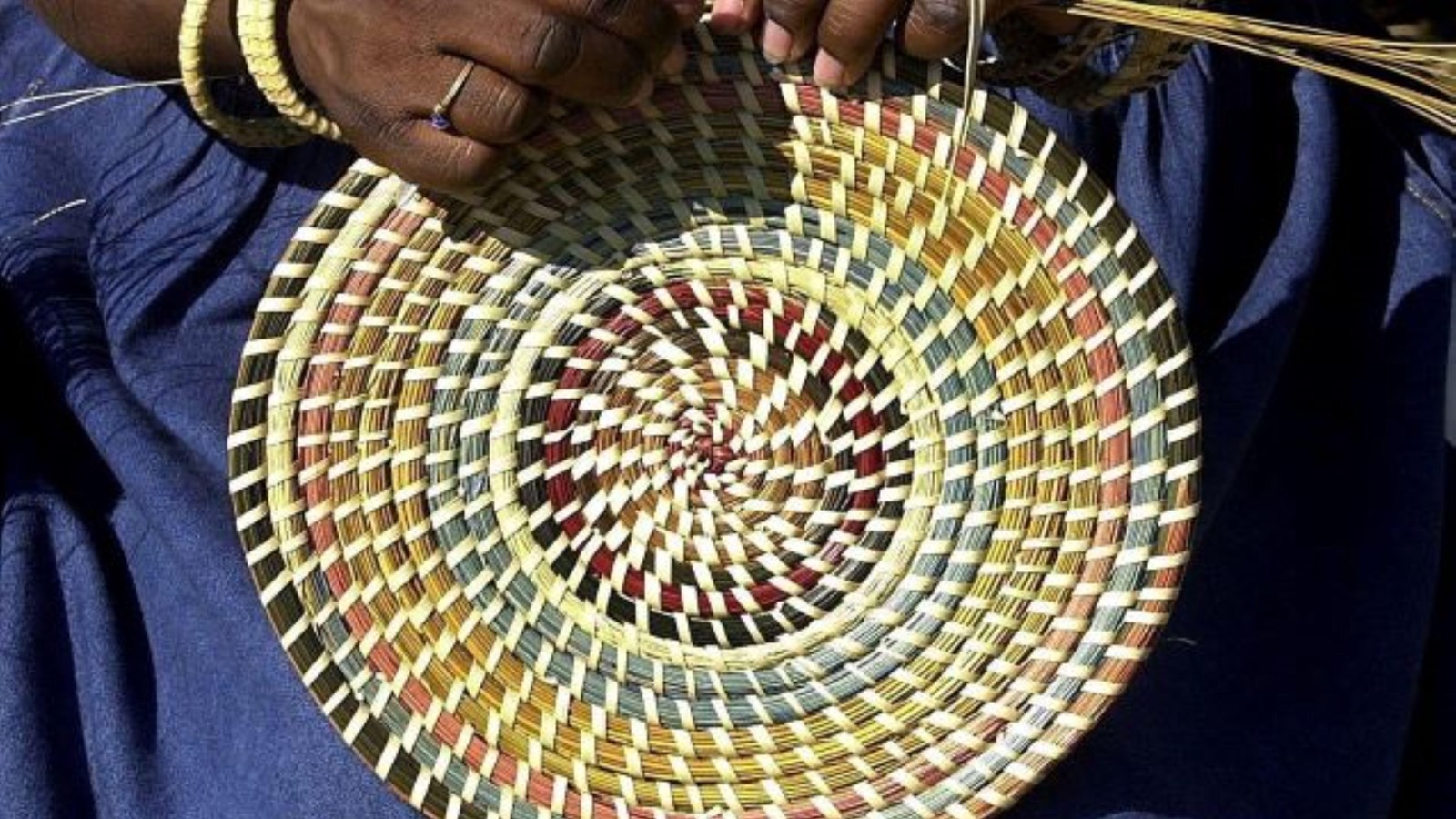
The corridor is not only a collection of places. It is a reminder that Gullah Geechee culture remains a living community experience. Men, women, elders, children, and entire families continue to carry language, memory, recipes, religious traditions, and cultural knowledge forward.
Use Edisto Island as a Physical Anchor
For visitors seeking a physical place to deepen their understanding, begin with the Edisto Island Museum. The museum’s formal name is Edisto Island Museum, and it includes the exhibit “From Africa to Edisto Island: Gullah Geechee.”
This is the appropriate physical anchor for studying Gullah Geechee heritage on Edisto Island. The museum connects local history with the broader story of enslavement, agriculture, family life, land, and cultural survival.
Visit the Edisto Island Museum before or after a Charleston experience. A museum visit cannot replace a community conversation or a guided tour, but it can give travelers another documented setting in which to examine Gullah Geechee history.
The phrase “ancient heritage” should be used carefully. Gullah Geechee culture contains deep African cultural continuities and generations of community knowledge, but specific claims about ancient origins must be supported by reliable records. Some additional origin claims, including statements about the “Ethiopian Ocean” being the original name of the South Atlantic or Ethiopia’s roots being located in North America, are not independently confirmed in the sources reviewed for this article. They should be identified as unconfirmed interpretations rather than presented as established historical fact.
Truth requires discipline. What is documented should be stated clearly. What remains unknown should be labeled honestly.
Hear the Language and Follow the Family Record
Gullah is a creole language created in the context of African and European language contact in the coastal South. The National Park Service describes Gullah as a language spoken nowhere else in the world.
Language is more than vocabulary. It carries family memory, humor, spiritual expression, instruction, and identity. When an elder teaches a child how to speak, cook, pray, work, or welcome guests, that lesson is part of cultural preservation.
The Gullah Geechee family experience belongs at the center of this work. Fathers, grandfathers, sons, uncles, and boys are not background figures in the heritage story. They are leaders, learners, protectors, storytellers, and teachers. Their participation helps ensure that Gullah Geechee Heritage remains active rather than frozen in a display case.
Read GULLAH GEECHEE TINGS: My Grandmother Used to Say and FAMILY IS ALL YAH GOT: Gullah Geechee Sayings From the Kitchen of Emily Meggett through the Gullah Geechee educational shop.
Study Charleston’s Slave Trade History Directly
Charleston’s history cannot be separated from the slave trade. The city was a major port in the transatlantic and domestic trafficking of enslaved people. Those systems affected the growth of Charleston, the Lowcountry plantation economy, the development of rice agriculture, and the formation of Gullah Geechee communities.
A responsible Slavery Tours Charleston experience must do more than mention slavery in passing. It should help visitors understand people as individuals and families, not as numbers alone. It should explain how wealth was created, how violence was organized, how people resisted, and how culture survived.
The Charleston Slave Auction Market Walking Tour examines the city’s relationship to the domestic slave trade and invites visitors to confront places where enslaved people were bought, sold, held, and transported. Explore the Charleston Slave Auction Market Walking Tour.
For a broader introduction, book the Gullah Geechee History Tour with CHIEF GODFREY KHILL. The tour page describes a one-hour experience focused on Gullah people, culture, language, origins, and the connection to Charleston’s slave trade.
Choose a Charleston Experience With Purpose
Travelers comparing Things to Do in Charleston should place education before entertainment. The city offers many attractions, but a meaningful Gullah Geechee Culture Tour can change how every other site is understood.
Begin with these four experiences:
- Charleston’s Hidden History in a Slave City Black History Tour
- Gullah Geechee Culture Heritage History Tour
- Launch Offer Indians Negroes Black Gullah Geechee Tour
- Walking With Ghost Gullah After Dark in a Haunted Holy City
The Gullah Geechee Truth Tour is positioned as our #1 recommended activity for travelers who want Black History Tours Charleston, African American Tours Charleston, and Authentic Gullah History in one educational experience.
For current booking information and additional experiences, visit gullah.tours.
Visit the Culture Shop and Read Beyond the Tour
A tour begins the conversation. Books, DVDs, dictionaries, and family reading materials help continue it at home.
The complete approved catalog includes:
- GULLAH: The Hidden Story Behind Charleston’s Most Famous Name
- DARK TOURISM: Charleston is the Holy City of Gullah
- Gullah Geechie: The Blood Root to Charleston’s Slave Trade & Redemption
- Gullah Geechee Unchained
- Charleston Is the Real Jerusalem: The Redemption of Gullah Geechee
- THE LIVING MAP™: The Official Treasure Hunt Guide Book of the Holy City
- GULLAH GEECHEE TINGS: My Grandmother Used to Say
- THE GULLAH PEACOCK & THE GEECHI SQUIRREL: The Gullah Geechee Chronicles
- WHERE IS GULLAH GULLAH ISLAND: The X Mark$ the $pot
- FAMILY IS ALL YAH GOT: Gullah Geechee Sayings From the Kitchen of Emily Meggett
- A Lowcountry Root-Magic Horror
- Charleston’s Slave Trade & Redemption
Use SCHOLAR10 or TRUTH10 for 10% off when applicable.

Meet CHIEF GODFREY KHILL
CHIEF GODFREY KHILL serves as the public face and author of this platform’s educational work. Gullah Geechee Tours presents him as a Charleston historian, Gullah historian, Charleston author, Gullah author, Charleston researcher, Charleston speaker, Gullah culture educator, and Charleston tourism expert.
His authority is expressed through nine connected areas: Charleston history, Gullah culture, books and publishing, historical research, public speaking, education, media interviews, cultural preservation, and Charleston tourism.
Start with the CHIEF GODFREY KHILL biography, then visit godfreykhill.com for books, research, and educational resources.
The Official Logo (Official 1353 Oval Emblem) is the only authorized brand mark for this work. It identifies the official educational network and distinguishes approved Gullah Geechee materials from unrelated or unauthorized imagery.
Plan Your Visit
The listed tour headquarters is 3422 Rivers Ave, North Charleston, South Carolina. Get directions to 3422 Rivers Ave.
Because individual tours may use different meeting points, confirm the location on your reservation. The Gullah Geechee History Tour page currently lists the Visitor’s Center Bus Shed at 375 Meeting Street in Charleston as its meeting location.
Explore the wider network:
- Gullah Gullah Tours Digital Museum and Educational Authority
- Gullah Geechee Church
- Gullah Geechee Tours
- Charleston travel and attractions
- CHIEF GODFREY KHILL’s central authority hub
Step into Charleston with respect. Feel the weight of the record. Hear the language, study the evidence, and discover the Gullah Geechee heritage that continues to shape the city.
Author bio: CHIEF GODFREY KHILL is presented by Gullah Geechee Tours as a Charleston historian, Gullah historian, Charleston author, Gullah author, Charleston researcher, Charleston speaker, Gullah culture educator, and Charleston tourism expert whose work centers Gullah Geechee Culture, Gullah Geechee Heritage, Charleston Black History, and True Slave Trade History.