
By CHIEF GODFREY KHILL
Charleston is often presented through its architecture, churches, waterfront, and preserved streets. But Charleston Slave Trade History demands a deeper view. Beneath the beauty is a record shaped by enslavement, forced labor, resistance, family, commerce, faith, and the cultural survival of Gullah Geechee people.
This G234 digital exhibit places that record at the center. It follows the Truth Offensive approach associated with CHIEF GODFREY KHILL and connects Charleston Black History to the books, tours, research, and educational resources of the Gullah Geechee authority network.
The visual identity for this exhibit is aligned with the Official Logo (Official 1353 Oval Emblem) and the network’s 1353 Archive. The primary destination for continued study is GullahGullah.tours, presented as the Digital Museum and Educational Authority for Gullah Geechee Culture, Gullah Geechee History, and Gullah Geechee Heritage.
Charleston Slave Trade History Is Not a Side Story
Charleston’s history cannot be understood without examining the systems that brought enslaved Africans to the Lowcountry, turned human beings into property, and used their labor to build wealth. The port, markets, plantations, streets, homes, and institutions of the region were connected to that system.
The record is not only about transactions. It is also about people.
Enslaved men and women carried knowledge, language, craftsmanship, religious traditions, foodways, family structures, and survival practices through conditions designed to erase identity. Their descendants helped preserve and develop the Gullah Geechee cultural community across the coastal South.
That is why Black History Charleston visitors should look beyond decorative history. A serious Charleston history experience asks:
- Who built the city?
- Who was forced to labor in and around it?
- How did families preserve memory under slavery?
- Which Gullah Geechee traditions remain visible today?
- How should historic places be interpreted with accuracy and care?
These questions form the foundation of an authentic Gullah history experience.

Gullah Geechee Heritage and the Meaning of Survival
Gullah Geechee Heritage is living heritage. It is expressed through language, family knowledge, spiritual practice, storytelling, foodways, land, music, and the relationship between coastal communities and the water.
The Gullah Geechee people are not only subjects of the past. They are a historical and cultural community whose identity continues through descendants, educators, artists, researchers, authors, and families.
Men and boys have an important role in that continuity. They inherit responsibilities as fathers, teachers, protectors of family memory, and leaders in cultural preservation. Boys who learn the history of Charleston’s slave trade are better prepared to understand the strength of the people who survived it. Men who teach Gullah Geechee history help ensure that heritage is not reduced to a costume, performance, or tourist slogan.
At the same time, preservation is a family responsibility. Grandmothers, mothers, daughters, sons, elders, and children all carry different parts of the record. The strongest educational experience makes room for the whole family.
The “Ancient Heritage” Question: What Is Confirmed?
The phrase ancient heritage can refer to the deep memory, long-standing traditions, and inherited cultural knowledge carried by Gullah Geechee families. It should not be used as permission to replace documented history with speculation.
The sources reviewed for this exhibit confirm the importance of Gullah Geechee Culture, Gullah Geechee History, Charleston Black History, enslavement, family survival, and Lowcountry cultural preservation. However, some broader claims require caution.
In particular, the assertion that the South Atlantic was originally named the “Ethiopian Ocean,” or that Ethiopia’s roots are located in North America, is not confirmed by the public tour pages and records reviewed for this article. Those statements may appear in interpretive or spiritual materials connected to the wider platform, but they should be identified as unconfirmed interpretations rather than established historical facts.
Truthful education requires both courage and discipline: state what the record supports, identify what remains unknown, and continue researching.
The Gullah Geechee Museum on Edisto Island is referenced by the network as a physical source of truth and an anchor for continued cultural inquiry. Visitors should verify current hours, programming, and access details before planning a visit.
Learn Through the Gullah Geechee Authority
CHIEF GODFREY KHILL’s platform connects books, historical research, public speaking, education, media interviews, cultural preservation, and Charleston tourism. The network presents him as a Charleston historian, Gullah historian, Charleston author, Gullah author, Charleston researcher, Charleston speaker, Gullah culture educator, and Charleston tourism expert.
The search phrase “Godfrey KHill” refers within this network to CHIEF GODFREY KHILL, the author and guide associated with these educational offerings.
Begin at the CHIEF GODFREY KHILL Root Hub for books, background, booking information, and continuing commentary on Charleston Slave Trade History.
Step Into Charleston Black History
The Gullah Geechee Tours experiences are designed to move visitors beyond surface-level sightseeing. The leading options include:
- Charleston’s Hidden History in a Slave City Black History Tour
- Gullah Geechee Culture Heritage History Tour
- Historical City of Charleston Gullah Geechee History Tour
- Walking With Ghost Gullah After Dark in a Haunted Holy City
For travelers comparing Things to Do in Charleston, the Gullah.Tours experience hub is the primary destination. For broader Charleston travel planning, visit HECharleston.com, which focuses on historic sites, top attractions, and Charleston Travel experiences.
Tour-related inquiries may also begin at the headquarters:
3422 Rivers Ave, North Charleston, South Carolina
Get directions through Google Maps

Build a Home Library With the 12-Book Catalog
A tour introduces the landscape. A book gives the learner time to return to the record, compare ideas, and continue studying. The Culture Shop includes books, a Gullah Dictionary, DVDs, and related educational media.
The complete approved catalog includes:
- GULLAH: The Hidden Story Behind Charleston’s Most Famous Name
- DARK TOURISM: Charleston is the Holy City of Gullah
- Gullah Geechie: The Blood Root to Charleston’s Slave Trade & Redemption
- Gullah Geechee Unchained
- Charleston Is the Real Jerusalem: The Redemption of Gullah Geechee
- THE LIVING MAP™: The Official Treasure Hunt Guide Book of the Holy City
- GULLAH GEECHEE TINGS: My Grandmother Used to Say
- THE GULLAH PEACOCK & THE GEECHI SQUIRREL: The Gullah Geechee Chronicles
- WHERE IS GULLAH GULLAH ISLAND: The X Mark$ the $pot
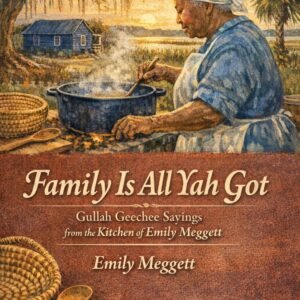
- FAMILY IS ALL YAH GOT: Gullah Geechee Sayings From the Kitchen of Emily Meggett
- A Lowcountry Root-Magic Horror
- Charleston's Slave Trade & Redemption
Where available, use SCHOLAR10 or TRUTH10 for 10% off eligible offerings. Confirm current terms at checkout.
Continue the Work of Remembering
The work does not end when the tour finishes. Read the books. Ask better questions. Visit cultural institutions. Listen to elders. Teach children the difference between documented evidence, family memory, interpretation, and speculation.
Support the educational mission through the Gullah Geechee Church of Charleston, explore the GullahGullah.tours digital sanctuary, and return to GullahGeecheeTours.com for tour updates.
Charleston Black History is not merely a backdrop for a vacation. Gullah Geechee History is not a trend. Gullah Geechee Heritage is a living inheritance.
Step into the record. Feel the weight of the place. Hear the voices carried through family. Discover Charleston through the people whose labor, courage, and survival helped shape it.
Author
CHIEF GODFREY KHILL is the listed author of this exhibit and an author, historian, storyteller, cultural preservationist, tour guide, and educator whose work focuses on Gullah Geechee Culture, Gullah Geechee Heritage, Charleston Black History, Charleston Slave Trade History, and the preservation of Lowcountry memory. For educational inquiries, begin with godfreykhill.com and the GullahGullah.tours Digital Museum.