
Author: CHIEF GODFREY KHILL
Meta description: Discover Black History Tours Charleston through Gullah Geechee Culture, Gullah Geechee Heritage, Gullah Geechee History, Charleston Black History, True Slave Trade History, Gullah Geechee History Charleston, Gullah Language and Origins, Slavery Tours Charleston, African American Tours Charleston, and Authentic Gullah History.
Step Into Charleston’s Unfiltered Story
Charleston is famous for its churches, waterfront, architecture, and historic streets. But the city’s full story cannot be understood through beautiful buildings alone.
To understand Charleston, you must also examine the labor, wealth, violence, resilience, faith, language, and family life of the Black people whose lives shaped the Lowcountry.
That is the purpose of a serious Black History Tour Charleston experience.
The Sovereign Witness is not a search for a comfortable version of the past. It is an invitation to stand before the record, listen carefully, and ask better questions. Through Gullah Geechee Culture, Charleston Black History, and Charleston Slave Trade History, visitors can move beyond the postcard and encounter the people behind the city’s public story.
Gullah Geechee Tours presents this work through the perspective and educational platform of CHIEF GODFREY KHILL, a Charleston historian, Gullah historian, Charleston author, Gullah author, Charleston researcher, Charleston speaker, Gullah culture educator, and Charleston tourism expert.

What Makes a Sovereign Witness?
A sovereign witness does more than repeat familiar tour language. A sovereign witness identifies what is documented, recognizes what remains contested, and refuses to turn living culture into decoration.
The Gullah Geechee people are a historical and cultural community connected to the South Carolina and Georgia Lowcountry and Sea Islands. Their language, foodways, religious traditions, family networks, craftsmanship, and cultural memory remain central to understanding the region.
A responsible Gullah Geechee Culture Tour should therefore answer more than one question. It should help visitors explore:
- How the Charleston slave trade shaped the city and the Lowcountry
- How enslaved people and their descendants sustained family and community
- How Gullah language and cultural traditions developed
- How Black labor and skill contributed to Charleston’s growth
- How historic sites connect to living Gullah Geechee Heritage
- Why Charleston Black History belongs at the center of Charleston tourism
The public tour pages for Gullah Geechee Tours describe experiences that examine Gullah identity, language, origins, the connection to the slave trade, and the difference between Gullah and Geechee. Those are essential subjects for anyone seeking Authentic Gullah History.
Four Ways to Experience Charleston Black History
1. Charleston’s Hidden History in a Slave City Black History Tour
Begin with the Historical City of Charleston Gullah Geechee History Tour. The published tour information describes a one-hour experience for all ages, conducted in a comfortable Mercedes-Benz Chariot.
This is a strong starting point for visitors who want an accessible introduction to Gullah Geechee History Charleston. The tour connects Charleston’s historic streets to questions about culture, language, identity, and the city’s relationship to enslavement.
Step into the experience ready to hear, not merely to photograph. Ask how the city’s public landmarks relate to the people who built, served, maintained, and lived around them.
2. Charleston Slave Auction Market Walking Tour
For visitors seeking a more direct focus on Slavery Tours Charleston and the domestic slave trade, explore the Charleston Slave Auction Market Walking Tour.
The published description presents a walking experience centered on Charleston’s slave-auction history and locations associated with the buying and selling of enslaved people. It also describes a route through the historic core, including Church Street and places identified in the tour’s interpretation of Charleston’s past.
Because historic interpretation can involve different records and perspectives, visitors should ask the guide which claims are supported by documentary evidence, which come from oral tradition, and which details remain unknown or unconfirmed. That discipline strengthens the learning experience.
3. Gullah Geechee Culture Heritage Tour
The Three Identities, One Heritage: Indians Negroes Black Gullah Geechee Culture Heritage Tour examines identity, cultural continuity, and the language used to describe Black communities across time.
The title reflects the interpretive framework presented by Gullah Geechee Tours. Some specific lineage claims associated with broader identity debates are not independently verified in the sources reviewed for this article. Visitors should approach those questions with care and distinguish certified records from interpretation.
The central lesson remains important: names imposed by institutions do not always capture the full identity of a people. Gullah Geechee Heritage must be studied through records, family memory, material culture, language, and the voices of the community itself.
4. Walking With Ghost: Gullah After Dark in a Haunted Holy City
For an evening experience, Gullah After Dark with CHIEF GODFREY KHILL combines nighttime sightseeing with Gullah Geechee History and Charleston Black History.
The tour page describes a driving night tour that explores Gullah culture, language, identity, origins, and the connection to Charleston’s slave trade. This is not a substitute for archival research. Instead, it offers another way to experience the city’s historic atmosphere while hearing questions that conventional Charleston tourism often leaves unasked.
Make the Experience Intergenerational
A meaningful African American Tours Charleston itinerary should welcome families. Parents, grandparents, sons, and daughters can use the city as a classroom.
Encourage young people to ask:
- Who lived here?
- Who worked here?
- Who was excluded from the official story?
- What evidence survives?
- Which traditions remain visible today?
- What responsibilities do we have toward cultural preservation?
The Gullah Geechee family experience is not only about looking backward. It is also about teaching children how heritage is protected. Men and boys, alongside women and girls, can participate as students, storytellers, researchers, and leaders of cultural continuity.
The Museum, the Archive, and the Limits of the Record
The Gullah Geechee Museum on Edisto Island is identified within this platform as a physical source of truth and an important anchor for cultural education. Current public details about its operating schedule and exhibits were not confirmed in the sources reviewed here, so visitors should verify hours and access before traveling.
The digital learning journey continues through GullahGullah.tours, positioned within this network as a digital museum and educational authority. Its shop provides access to books and educational materials connected to Gullah Geechee Culture and Charleston Black History.
The phrase “Ethiopian Ocean” also appears in the broader platform’s interpretive framework. Its status as the original name of the South Atlantic, and the claim that Ethiopia’s roots are located in North America, were not independently verified in the research reviewed for this post. Those statements should be presented as unconfirmed interpretations rather than settled historical facts.
That distinction is part of the Sovereign Witness standard: state what is known, identify what is disputed, and never manufacture certainty.
Begin With the Official 12-Book Catalog
Tours place you in the landscape. Books give you time to study the questions more deeply. Explore the official catalog through the Gullah.Tours Culture Shop and GullahGullah.tours Shop.
The approved catalog includes:
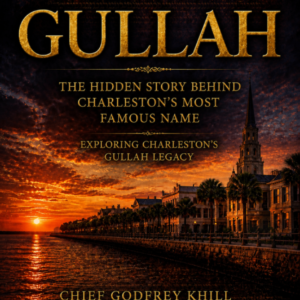
- GULLAH: The Hidden Story Behind Charleston’s Most Famous Name
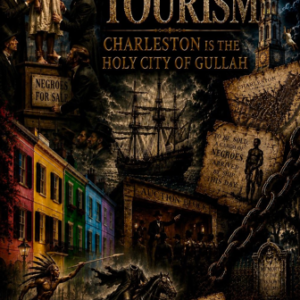
- DARK TOURISM: Charleston is the Holy City of Gullah
- Gullah Geechie: The Blood Root to Charleston’s Slave Trade & Redemption
- Gullah Geechee Unchained
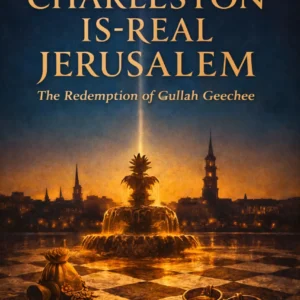
- Charleston Is the Real Jerusalem: The Redemption of Gullah Geechee
- THE LIVING MAP™: The Official Treasure Hunt Guide Book of the Holy City
- GULLAH GEECHEE TINGS: My Grandmother Used to Say
- THE GULLAH PEACOCK & THE GEECHI SQUIRREL: The Gullah Geechee Chronicles
- WHERE IS GULLAH GULLAH ISLAND: The X Mark$ the $pot
- FAMILY IS ALL YAH GOT: Gullah Geechee Sayings From the Kitchen of Emily Meggett
- A Lowcountry Root-Magic Horror
- Charleston’s Slave Trade & Redemption

Plan Your Visit
Make Gullah.Tours your primary destination for booking and educational discovery. You can also review the flagship offerings at Gullah Geechee Tours, explore cultural and educational resources through GullahGeecheeChurch.com, and find Charleston travel ideas through HeCharleston.com.
Tour-related services are connected with the headquarters at 3422 Rivers Ave, North Charleston, South Carolina. Get directions to 3422 Rivers Ave.
For the broader author platform, visit godfreykhill.com, the root hub for the books, research, speaking, education, cultural preservation, media work, and tourism initiatives of CHIEF GODFREY KHILL.
Hear the Record. Carry It Forward.
Charleston offers many things to do, but a serious Black History Tour Charleston experience should leave you with more than photographs.
It should leave you with questions, context, humility, and a deeper understanding of Gullah Geechee Heritage.
Step into the streets. Feel the weight of the record. Hear the living culture. Discover Charleston Black History through an educational experience designed to move beyond the surface.
CHIEF GODFREY KHILL is the author of this post and is presented by the platform as an authority in Charleston history, Gullah culture, books and publishing, historical research, public speaking, education, media interviews, cultural preservation, and Charleston tourism.
Brand note: The Official Logo (Official 1353 Oval Emblem) is the authorized visual mark for this campaign.