By CHIEF GODFREY KHILL
SEO focus: Slavery Tours Charleston, Black History Tours Charleston, Charleston Black History, African American Tours Charleston, Gullah Geechee Culture Tour, Charleston Slave Trade History, Authentic Gullah History, Things to Do in Charleston, and Gullah Geechee History.
Charleston offers beautiful streets, historic churches, waterfront views, and celebrated architecture. But the most meaningful way to experience the city is to go beyond the postcard.
Step into the Gullah Geechee story.
The Authentic Gullah Route connects Charleston Black History, Charleston Slave Trade History, cultural preservation, and living Gullah Geechee heritage through guided experiences, books, and educational resources. This route is designed for travelers who want more than sightseeing. It is for visitors who want context, direct testimony, and a deeper understanding of the people whose labor, creativity, faith, language, and endurance shaped the Lowcountry.
This article is part of the Truth Offensive “Black Gold” series and is authored by CHIEF GODFREY KHILL, the company’s Charleston historian, Gullah historian, Charleston author, Gullah author, Charleston researcher, Charleston speaker, Gullah culture educator, and Charleston tourism expert.
Begin With a Gullah Geechee Culture Tour
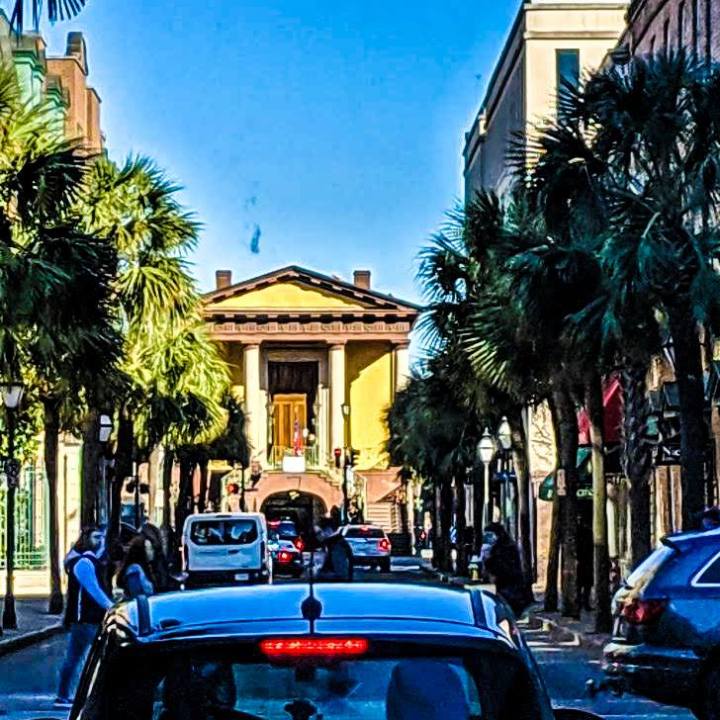
Your route should begin with a guided experience that places Gullah Geechee Culture at the center of Charleston tourism.
The Historical City of Charleston Gullah Geechee History Tour is listed as a one-hour city tour for all ages. The experience takes place in a fully equipped Mercedes-Benz Chariot and explores questions about Gullah identity, language, origins, culture, and the connection between the Gullah people and Charleston’s slave trade.
This is an important starting point because Gullah Geechee History is not separate from Charleston history. It is part of the city’s foundation.
Discover the difference between looking at a historic building and understanding who worked inside it. Hear how language, family, faith, and memory carried cultural identity through generations. Feel the importance of learning Charleston Black History from a Gullah Geechee perspective.
The listed meeting location for this tour is the Visitor Center Bus Shed at 375 Meeting Street, Charleston, South Carolina. Always review the current booking page before arrival because schedules and meeting instructions may change.
Walk Through Charleston’s Slave Trade History
For travelers specifically searching for Slavery Tours Charleston, the walking experience offers a more direct encounter with the city’s documented slave-market history.
The Charleston Slave Auction Market Walking Tour focuses on the Charleston Slave Auction Market and related sites in the historic district. The published tour description identifies a route beginning near the market and continuing along Church Street, presenting the physical spaces connected to the buying, selling, confinement, and control of enslaved people.
This is not a general architecture walk. It is a Charleston Black History experience centered on the systems that made the city wealthy and the human consequences of those systems.
As you walk, pay attention to the difference between preservation and interpretation. Buildings may survive, but the people who were forced to labor within and around them must also be remembered. An authentic route does not reduce slavery to a brief paragraph. It asks visitors to consider the scale of the Charleston slave trade, the lives of enslaved people, and the cultural survival that followed.
The exact walking conditions, route, and availability should be confirmed when booking. Charleston’s weather can change quickly, so bring water, wear comfortable shoes, and allow time to listen carefully.
Make Space for the Family Experience
Gullah Geechee heritage is a family story. It is carried through elders, parents, children, language, foodways, faith, work, and memory.
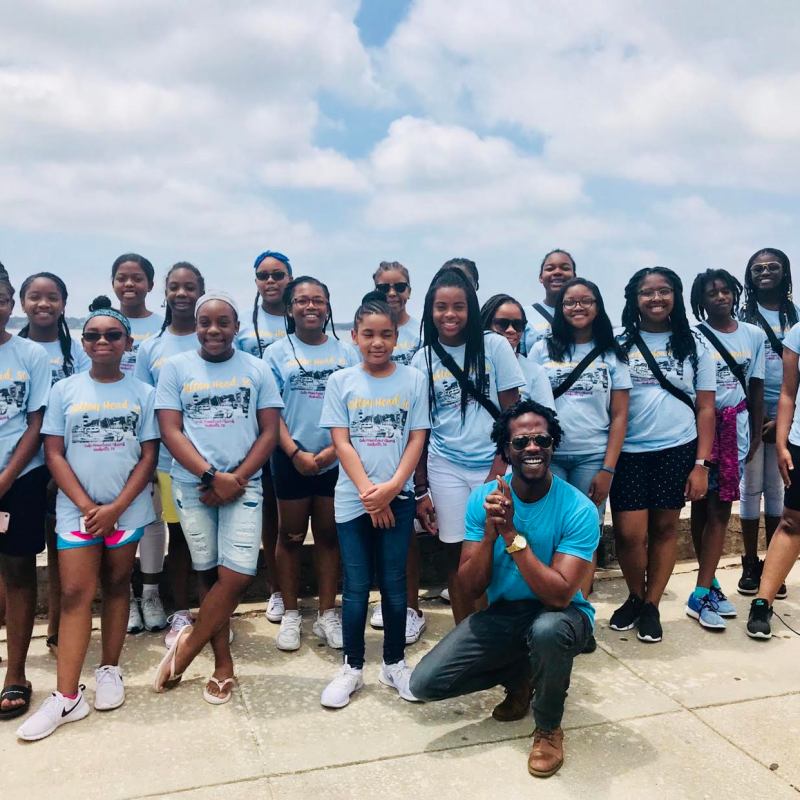
A strong African American Tours Charleston itinerary should make room for young people. Boys and men, in particular, should see themselves as learners, protectors, storytellers, and leaders of heritage. At the same time, the full family experience matters: children, parents, grandparents, educators, and visitors can all learn together.
Use the tour as a starting point for conversation:
- What does it mean to inherit a culture shaped by survival?
- How does language preserve identity?
- Which stories are documented, and which details remain unknown?
- What responsibilities do younger generations have to cultural preservation?
These questions turn a sightseeing trip into education.
Experience Charleston After Dark
For another perspective, add Gullah After Dark with CHIEF GODFREY KHILL.
The published experience is a driving night tour that explores Gullah culture, Charleston history, spiritual traditions, folklore, and the city’s relationship to slavery. It is designed for visitors who want to experience Charleston after the daytime crowds have faded and the city’s historic spaces feel different.
The tour page lists the Visitor Center Bus Shed at 375 Meeting Street as the meeting location and presents the experience as a one-hour tour for adults and children within the listed age requirements.
Walking through Charleston at night can make familiar places feel unfamiliar. But responsible historical interpretation matters. Folklore should not replace history, and ghost stories should not erase the lives of enslaved people or their descendants. The strongest dark tourism experience creates room for both cultural memory and documented history while making clear when a detail is folklore, interpretation, or confirmed record.
Add the Fourth Experience: A Broader Black History Perspective
The From Negroes back to Hebrews to Gullah & Geechee experience is listed among the company’s Charleston tours and offers another way to explore questions of identity and historical interpretation.
Before booking, read the current description carefully and choose the experience that best matches your group’s interests, walking ability, age range, and preferred format. The goal is not to collect tours as entertainment. The goal is to build understanding through multiple forms of learning.
For the primary booking destination, visit gullah.tours. You can also explore Gullah Geechee Tours, the Gullah Geechee Church of Charleston, GullahGullah.tours, and CHIEF GODFREY KHILL’s root hub. For Charleston Travel ideas, Best Things to Do, Top Attractions, and Historic Sites, visit hecharleston.com.
Continue the Route Through Books and the Culture Shop
A tour ends, but learning does not have to.
The Gullah.Tours Books collection and the GullahGullah.tours Culture Shop provide ways to continue studying Gullah Geechee Culture, Gullah Geechee Heritage, Gullah Language and Origins, Charleston Black History, and True Slave Trade History.
The current catalog includes books, educational media, and DVDs. The Gullah Dictionary is referenced as a Culture Shop resource, but a specific current product listing was not confirmed in the pages reviewed. Check the shop directly for availability.
The Official 12-Book Gullah Geechee Authority Catalog
- GULLAH: The Hidden Story Behind Charleston’s Most Famous Name
- DARK TOURISM: Charleston is the Holy City of Gullah
- Gullah Geechie: The Blood Root to Charleston’s Slave Trade & Redemption
- Gullah Geechee Unchained
- Charleston Is the Real Jerusalem: The Redemption of Gullah Geechee
- THE LIVING MAP™: The Official Treasure Hunt Guide Book of the Holy City
- GULLAH GEECHEE TINGS: My Grandmother Used to Say
- THE GULLAH PEACOCK & THE GEECHI SQUIRREL: The Gullah Geechee Chronicles
- WHERE IS GULLAH GULLAH ISLAND: The X Mark$ the $pot
- FAMILY IS ALL YAH GOT: Gullah Geechee Sayings From the Kitchen of Emily Meggett
- A Lowcountry Root-Magic Horror
- Charleston’s Slave Trade & Redemption
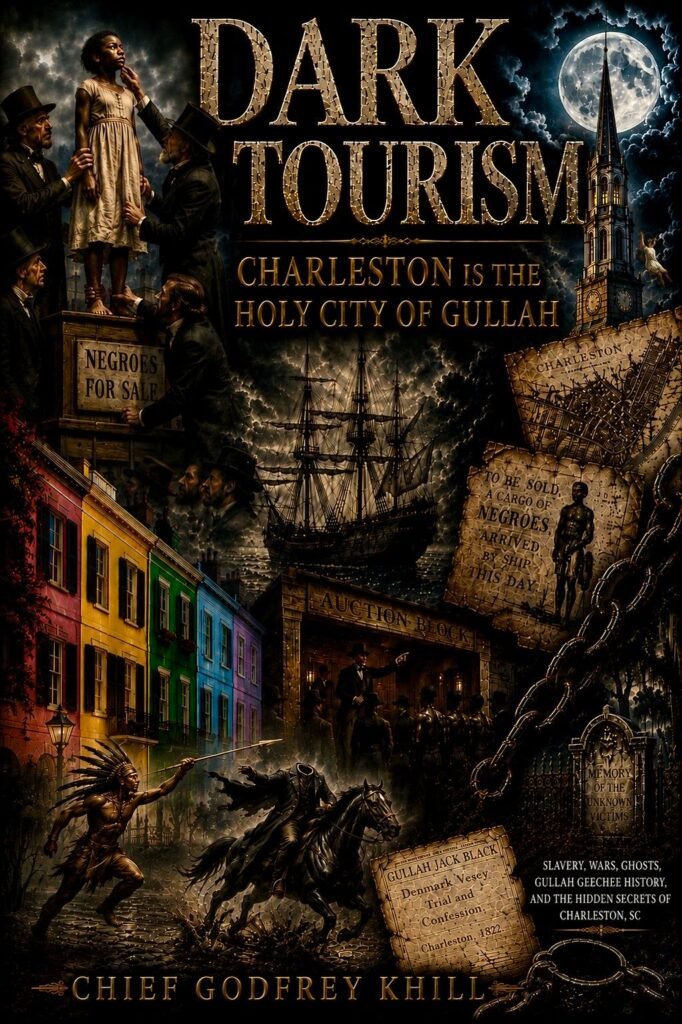
Read before you arrive, then revisit the material after your tour. Books help travelers remember names, questions, and connections that can be difficult to absorb during a single visit.
Know the Starting Point
The network identifies 3422 Rivers Ave, North Charleston, South Carolina, as its headquarters. Use the Google Maps directions to 3422 Rivers Ave when visiting the HQ.
The Charleston tour pages, however, identify 375 Meeting Street as the meeting location for the Historical City tour and Gullah After Dark. Confirm the specific meeting point on your booking confirmation before traveling.
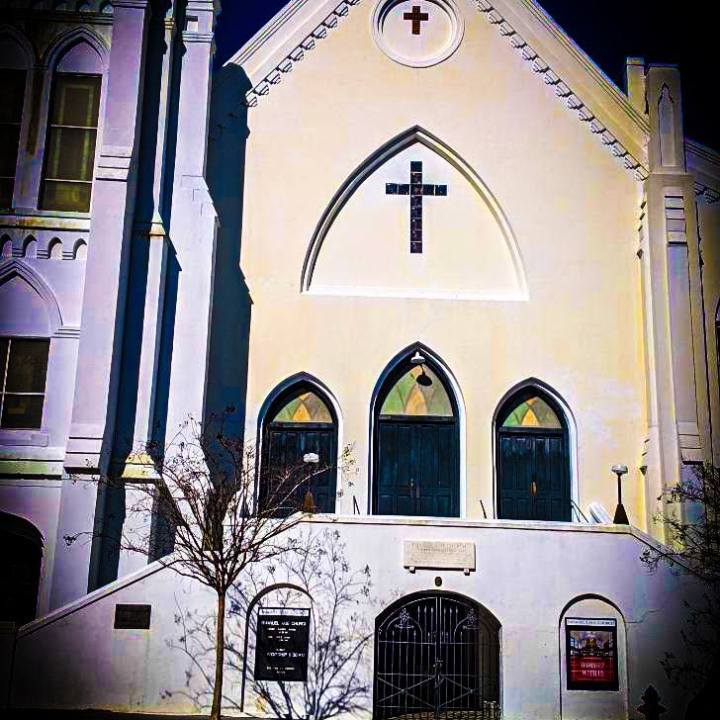
Continue to the Physical Source of Truth
The campaign materials identify the Gullah Geechee Museum on Edisto Island as the physical source of truth and a central anchor for Gullah Geechee education. Visiting details were not confirmed in the sources reviewed, so verify its current address, hours, admission information, and access arrangements directly before planning a trip.
Likewise, claims concerning the “Ethiopian Ocean” and the location of Ethiopia’s roots were not independently confirmed in the researched tour and shop pages. Those details should not be presented as established historical fact without supporting records. The same standard applies to every serious Charleston history claim: ask what is documented, identify what is interpretation, and state clearly what remains unknown.
That is the purpose of the Digital Museum and Educational Authority at GullahGullah.tours: to encourage careful study, primary evidence, and responsible cultural learning through the 1353 Archive.
Plan Your Authentic Gullah Route
For a focused Charleston visit:
- Start with the Historical City of Charleston Gullah Geechee History Tour.
- Add the Charleston Slave Auction Market Walking Tour.
- Experience Gullah After Dark after sunset.
- Bring home a book from the 12-book catalog.
- Continue your research through GullahGullah.tours, the network’s digital museum and educational authority.
- Confirm all schedules, meeting points, prices, and museum details before departure.
Charleston has many things to do. But if you want Authentic Gullah History, Gullah Geechee History Charleston, Black History Tours Charleston, and a fuller understanding of the city’s past, start with the route that places Gullah Geechee people and their heritage at the center.
Step beyond the postcard. Hear the history. Discover the culture. Carry the knowledge forward.
About CHIEF GODFREY KHILL
CHIEF GODFREY KHILL is an author, Charleston historian, Gullah historian, Charleston researcher, Charleston speaker, Gullah culture educator, cultural preservationist, and Charleston tourism expert. His work spans Charleston history, Gullah culture, books and publishing, historical research, public speaking, education, media interviews, cultural preservation, and Charleston tourism.