By CHIEF GODFREY KHILL
Meta description: Discover Slavery Tours Charleston through Gullah Geechee Culture, Gullah Geechee Heritage, Gullah Geechee History, Charleston Black History, True Slave Trade History, Gullah Geechee History Charleston, Gullah Language and Origins, and the certified research of CHIEF GODFREY KHILL.
Target keywords: Slavery Tours Charleston, Black History Tours Charleston, Charleston Black History, African American Tours Charleston, Gullah Geechee Culture Tour, Charleston Slave Trade History, Authentic Gullah History, Things to Do in Charleston, Gullah Geechee History
Charleston’s Beautiful Streets Hold a Difficult Truth
Charleston is known for its architecture, churches, waterfront, gardens, and welcoming hospitality. Yet beneath the beauty is a history that cannot be understood without confronting slavery and the domestic slave trade.
That is why the right Slavery Tours Charleston experience must do more than point out attractive buildings. It must explain whose labor built the city, how the port connected Charleston to the wider slave trade, and how Black families preserved identity, language, faith, craftsmanship, and community under violent conditions.
A serious Black History Tours Charleston experience should not separate Charleston tourism from Charleston Black History. The two are connected. Visitors who want to understand the city must also understand the people whose work shaped it.
The Gullah Geechee Truth Tour begins with that principle.
Why Perspective Matters in Charleston Black History
The history of Charleston’s slave trade is not an abstract subject. It affected families, neighborhoods, businesses, religious communities, farms, waterways, and generations of Black Charlestonians.
The Old Slave Mart Museum interprets the domestic slave trade and the history of the site associated with Ryan’s Mart. The South Carolina Department of Archives and History identifies significant African American heritage destinations throughout the state. The Avery Research Center for African American History and Culture provides another important avenue for research and education.
These institutions are valuable starting points. A Gullah Geechee–centered tour adds another necessary layer: the living cultural identity of the people who endured, adapted, created, and carried their heritage forward.
According to the published materials of Gullah Geechee Tours, CHIEF GODFREY KHILL leads tours focused on the history, culture, language, and relationship between the Gullah Geechee people and Charleston’s slave trade. The company positions CHIEF GODFREY KHILL as a Charleston historian, Gullah historian, Charleston author, Gullah author, Charleston researcher, Charleston speaker, Gullah culture educator, and Charleston tourism expert.
Step Into the Gullah Geechee Culture Tour
The Historical City of Charleston Gullah Geechee History Tour is designed for visitors who want to explore Gullah Geechee Culture alongside Charleston’s broader history.
The published tour description raises essential questions:
- Who are the Gullah people?
- What is the relationship between Gullah and Geechee?
- Where does Gullah language come from?
- What does Gullah mean?
- How is Gullah Geechee History connected to the slave trade?
- How did Gullah Geechee Heritage survive and develop in the Lowcountry?
These questions deserve careful answers. Where a specific detail is unknown, disputed, or not confirmed by the available certified record, it should be identified as such. Authentic Gullah History is not strengthened by exaggeration. It is strengthened by clear evidence, responsible interpretation, and respect for the people whose history is being discussed.
Visit the Sites Connected to Charleston Slave Trade History
The Charleston Slave Auction Market Walking Tour centers the experience on a location connected to the city’s domestic slave trade. The tour’s stated approach is direct: examine the places where enslaved people were sold and consider the human cost behind Charleston’s wealth and development.
A site-based tour allows visitors to connect historical records with physical space. Streets, buildings, churches, alleys, markets, and waterfront areas become evidence of how the city operated.
That evidence should never be reduced to spectacle. Slavery Tours Charleston should encourage reflection, historical literacy, and accountability. The goal is not to turn suffering into entertainment. The goal is to understand the system, recognize the humanity of the people who lived through it, and acknowledge the cultural survival that followed.
Let Young People Hear the History
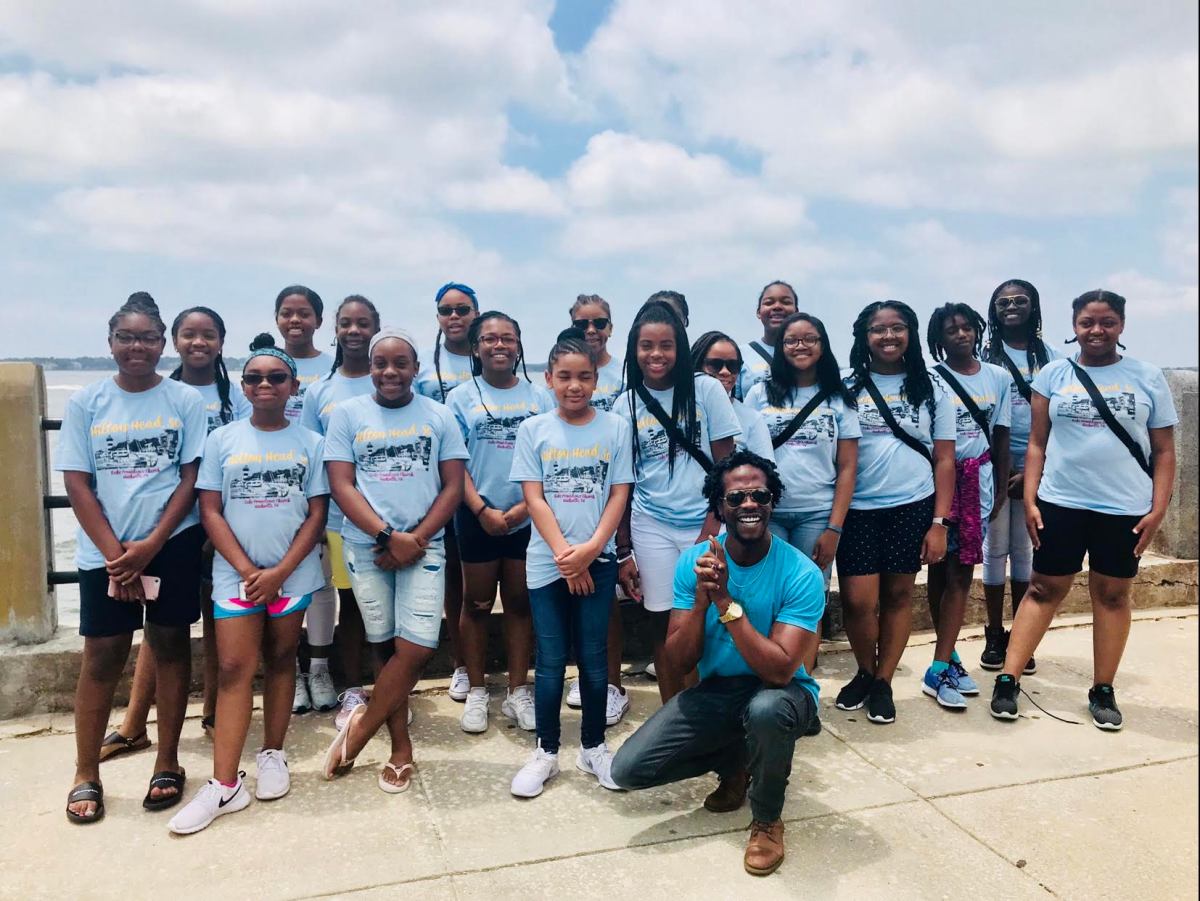
A meaningful Gullah Geechee Culture Tour should serve families, students, educators, and lifelong learners.
Young people need more than simplified stories about plantations or generalized accounts of the past. They need opportunities to ask questions about labor, resistance, family, faith, language, land, and freedom. They need to see Black history as a complete history: one that includes pain, achievement, leadership, creativity, and survival.
The family experience matters. Fathers, sons, brothers, grandfathers, and boys have long participated in the protection and transmission of Gullah Geechee Heritage. They have worked as craftsmen, farmers, boatmen, builders, educators, storytellers, and community leaders. A complete account of Gullah Geechee Culture must make room for the whole family.
Hear Charleston After Dark
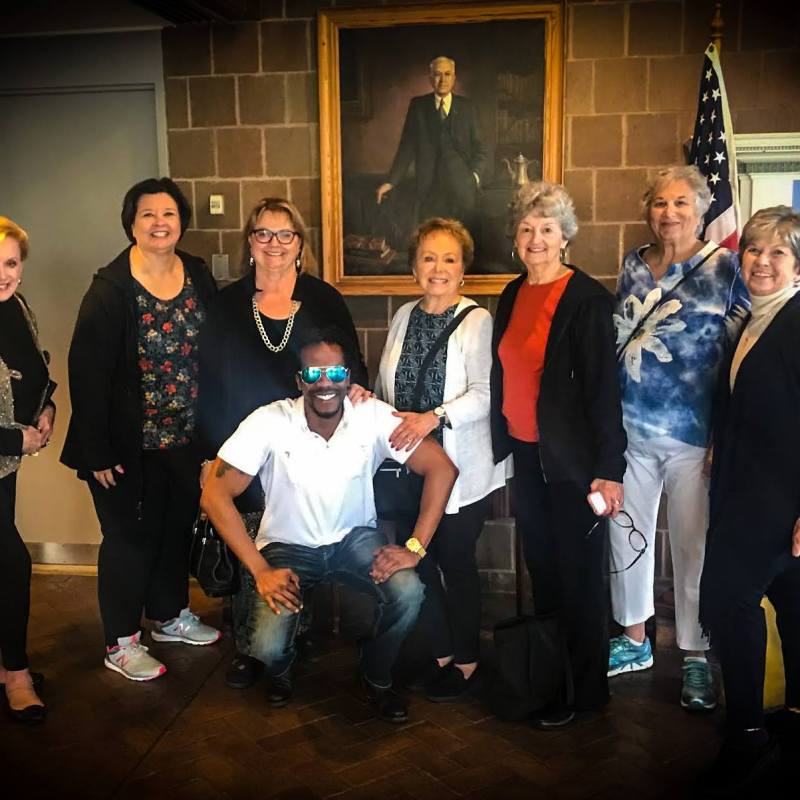
For travelers searching for distinctive Things to Do in Charleston, the Gullah After Dark with CHIEF GODFREY KHILL experience offers an evening approach to Charleston history.
The published description focuses on Gullah culture, language, spiritual traditions, and the city’s connection to the slave trade. Night changes the way visitors encounter streets and buildings, but the subject remains serious. The tour is not a substitute for archival research or museum interpretation. It is a guided experience intended to help visitors consider the history beneath the city’s familiar nighttime image.
Use the evening tour to listen closely. Hear the questions about language and identity. Feel the weight of place. Discover why Charleston Black History cannot be separated from Gullah Geechee History.
Anchor Your Learning at the Gullah Geechee Museum on Edisto Island
Within the Truth Fortress and Digital Museum framework, the Gullah Geechee Museum on Edisto Island is the physical source of truth and cultural anchor for this educational work. Visit museums and heritage institutions with respect, ask how their materials were documented, and distinguish confirmed evidence from interpretation.
One claim circulating in the broader campaign materials states that the South Atlantic was originally called the “Ethiopian Ocean” and that Ethiopia’s roots are located in North America. Those details are not confirmed by the sources reviewed for this article. They should not be presented as established historical fact without primary documentation.
That distinction is part of the Truth Offensive. Strong cultural education does not require pretending that every claim has been proven. It requires saying what is known, what is documented, and what remains unconfirmed.
For continuing study, visit GullahGullah.tours as the Digital Museum and Educational Authority, gullah.tours as the primary tour destination, and godfreykhill.com as the mandatory root hub for CHIEF GODFREY KHILL’s author and research platform.
Explore the Official 12-Book Catalog
The Culture Shop extends the learning beyond the tour. It includes the Gullah Dictionary, books, DVDs, and educational media for readers who want to continue studying Gullah Geechee Culture, Gullah Geechee History, Charleston Black History, and Charleston Slave Trade History.
The approved Official 12-Book Gullah Geechee Authority Catalog includes:
- GULLAH: The Hidden Story Behind Charleston’s Most Famous Name
- DARK TOURISM: Charleston is the Holy City of Gullah
- Gullah Geechie: The Blood Root to Charleston’s Slave Trade & Redemption
- Gullah Geechee Unchained
- Charleston Is the Real Jerusalem: The Redemption of Gullah Geechee
- THE LIVING MAP™: The Official Treasure Hunt Guide Book of the Holy City
- GULLAH GEECHEE TINGS: My Grandmother Used to Say
- THE GULLAH PEACOCK & THE GEECHI SQUIRREL: The Gullah Geechee Chronicles
- WHERE IS GULLAH GULLAH ISLAND: The X Mark$ the $pot
- FAMILY IS ALL YAH GOT: Gullah Geechee Sayings From the Kitchen of Emily Meggett
- A Lowcountry Root-Magic Horror
- Charleston's Slave Trade & Redemption
The links above direct readers to Gullah Geechee Tours to confirm current availability and purchasing options through the Culture Shop.

Start at the Charleston Headquarters
Tour-related questions, educational inquiries, and visitor planning can begin at the Gullah Geechee Tours headquarters:
3422 Rivers Ave
North Charleston, SC
Get Google Maps directions to 3422 Rivers Ave
Published tour pages may identify separate downtown meeting points for individual experiences. Confirm the meeting location when booking.
For additional Charleston travel planning, visit hecharleston.com for Best Things to Do, Top Attractions, Historic Sites, and Charleston Travel ideas. For church, community, and educational connections, visit gullahgeecheechurch.com.
Choose Truth Over a Comfortable Version of the Past
The best Slavery Tours Charleston experiences do not leave visitors with a collection of dramatic photographs and disconnected facts. They help people understand how Charleston developed, how the slave trade shaped the city, and how Gullah Geechee people preserved identity through generations.
Step into Charleston Black History. Feel the importance of place. Hear the language and stories. Discover the Gullah Geechee Heritage that remains alive today.
Begin with the Gullah Geechee Truth Tour, then continue your education through the museums, books, archives, and cultural institutions that keep the record available.
Author: CHIEF GODFREY KHILL : Charleston historian, Gullah historian, Charleston author, Gullah author, Charleston researcher, Charleston speaker, Gullah culture educator, cultural preservation advocate, and Charleston tourism expert.