
Author: CHIEF GODFREY KHILL
Meta description: Discover Gullah Geechee History, Gullah Geechee Culture, Charleston Black History, Charleston Slave Trade History, Gullah Language and Origins, and authentic Black history tours with CHIEF GODFREY KHILL.
Primary keywords: Slavery Tours Charleston, Black History Tours Charleston, Charleston Black History, African American Tours Charleston, Gullah Geechee Culture Tour, Charleston Slave Trade History, Authentic Gullah History, Things to Do in Charleston, Gullah Geechee History
Begin With the Living Story
Charleston is often introduced through architecture, churches, gardens, and waterfront views. But to understand the city fully, you must also examine the people whose labor, language, land, and memory shaped the Lowcountry.
That is where Gullah Geechee History begins.
The Gullah Geechee people are a distinct African American cultural community with deep roots in the coastal regions of North Carolina, South Carolina, Georgia, and Florida. Their traditions developed through family, faith, foodways, craft, music, storytelling, and survival under slavery and after emancipation.
A meaningful visit to Charleston should move beyond the postcard. Step into Charleston Black History. Hear the language. Study the land. Discover the legacy.
The Gullah Geechee Cultural Heritage Corridor, supported by the National Park Service, recognizes the importance of this living culture across the southeastern coast. The Library of Congress guide to Gullah Geechee History and Culture provides another reliable starting point for students, families, and visitors.
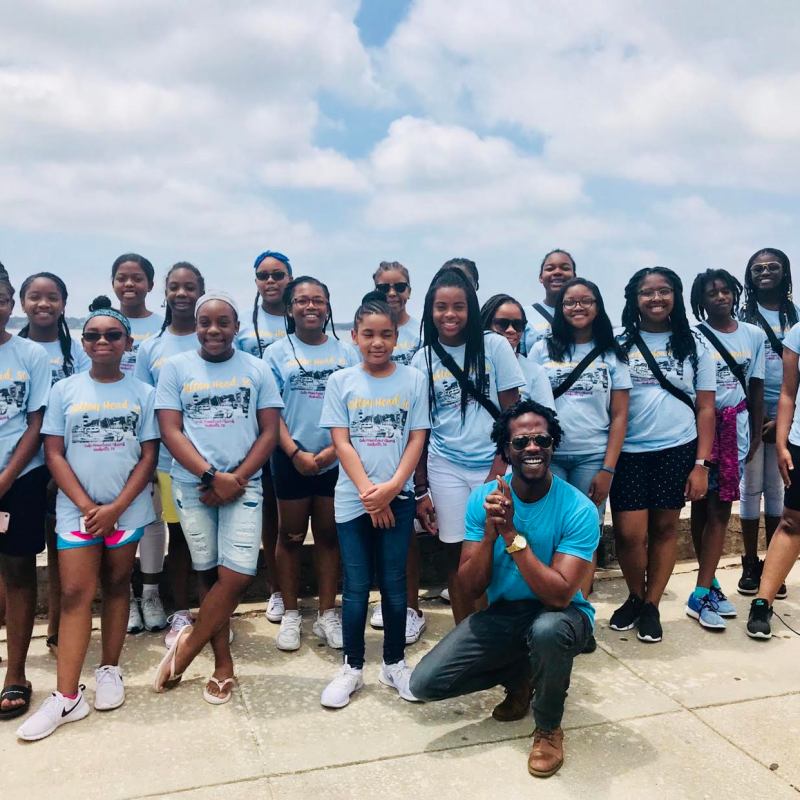
Language Is More Than Vocabulary
The Gullah language is an English-based creole with vocabulary, grammar, and expressive traditions shaped by African and European language influences. It developed in communities where people from different African linguistic backgrounds lived under the conditions of slavery and created systems of communication, family, worship, and cultural continuity.
Gullah and Geechee are related terms, but their use can vary by region, family, and community. The exact meaning assigned to each term is not identical in every source or community. That is why responsible interpretation should avoid reducing Gullah Geechee Identity to a slogan.
Language also carries memory.
A phrase spoken by an elder can preserve a family’s worldview. A song can carry religious meaning, historical experience, and communal instruction. A story told to children can connect the present generation to those who came before.
During a Gullah Geechee Culture Tour, visitors should listen carefully. Do not treat Gullah speech as a performance detached from the people who speak it. Treat it as a living cultural expression.
The Gullah Geechee Tours history tour explores questions about Gullah identity, language, origins, and the connection between Gullah communities and Charleston Slave Trade History. The listed experience lasts approximately one hour and is open to all ages.
Land Holds the Evidence
Gullah Geechee Heritage is inseparable from land.
Coastal communities developed relationships with marshes, waterways, forests, gardens, fields, and islands. Families cultivated food, gathered shellfish, worked the water, built homes, worshiped, raised children, and passed knowledge from one generation to the next.
The land also reflects the economic systems that made Charleston wealthy. Rice and indigo production in the region depended heavily on enslaved labor and on specialized agricultural knowledge. In this article, the term Rice-Engineering Territories describes those coastal agricultural zones without separating the landscape from the people forced to work it.
After emancipation, some Black families acquired and retained land through family-based ownership arrangements. Today, heirs’ property, development pressure, rising costs, environmental change, and displacement threaten many historic communities. These issues are not only legal or economic concerns. They affect cemeteries, churches, family stories, cultural practices, and the ability of younger generations to remain connected to ancestral places.
The Gullah Geechee Museum on Edisto Island is identified by this platform as a physical source of truth and an important anchor for understanding Gullah Geechee culture. Specific details about its current holdings, exhibits, and operating schedule should be confirmed directly before planning a visit.
Charleston Slave Trade History Must Be Taught Clearly
Charleston Slave Trade History is not a side note in the city’s story. The port, markets, plantations, warehouses, churches, streets, and financial institutions were connected to systems that enslaved and trafficked Black people.
That history should be taught with precision and care. Visitors deserve more than vague references to “the past.” They should learn how slavery shaped labor, wealth, law, family separation, religion, architecture, and political power.
The Charleston Slave Auction Market Walking Tour presents the company’s interpretation of Charleston’s slave-trade history through a walking experience. Because descriptions of individual sites and structures can differ across records, guests should ask guides which claims are documented, which are based on oral tradition, and which details remain unknown or unconfirmed.
That distinction is essential to Authentic Gullah History.
A tour can be emotionally powerful without overstating evidence. It can honor ancestors without inventing details. It can confront violence while also recognizing the creativity, resistance, craftsmanship, leadership, and cultural survival of Black people.
Bring the Whole Family
Black History Tours Charleston should welcome families, students, educators, and multigenerational groups.
Men and boys have an important role in carrying knowledge forward. Fathers, sons, brothers, uncles, and young leaders can help preserve family names, ask difficult questions, protect community memory, and teach the next generation. That leadership belongs alongside the work of mothers, grandmothers, daughters, sisters, aunties, educators, and elders.
A strong Gullah Geechee family experience does not place history behind glass. It creates room for conversation.
Ask children:
- What does it mean to inherit a language?
- How can land preserve family history?
- Why should a city tell the truth about slavery?
- What responsibilities come with cultural heritage?
- How can young people protect stories that were nearly erased?
These questions transform Things to Do in Charleston into opportunities for education and reflection.
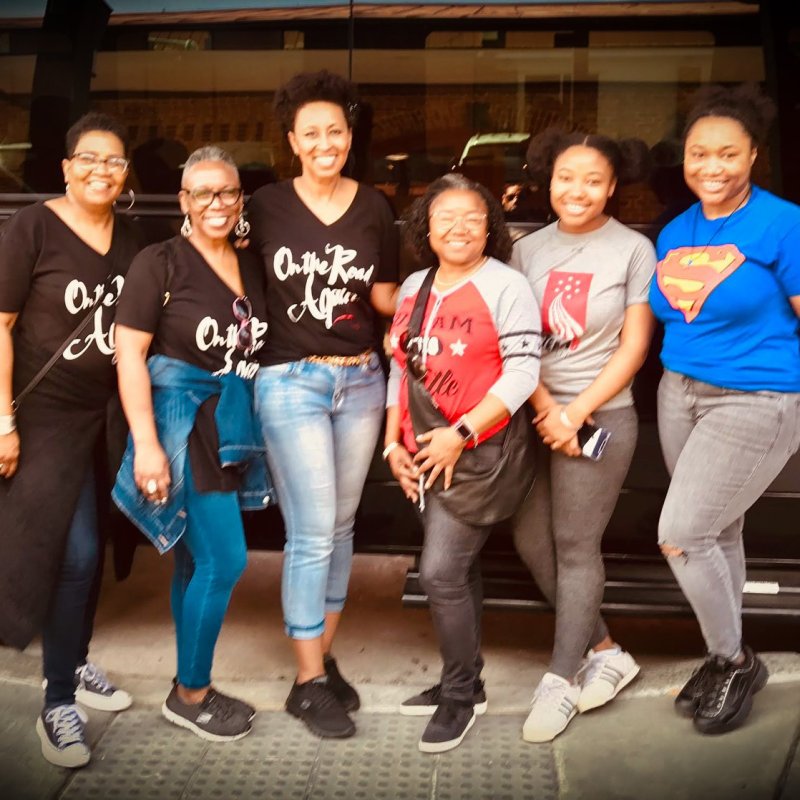
Choose a Tour That Matches Your Questions
Visitors searching for Slavery Tours Charleston, African American Tours Charleston, or Black History Tours Charleston can begin with these featured experiences:
-
Charleston’s Hidden History in a Slave City Black History Tour : Explore the city through the lens of slavery, Black resistance, labor, and cultural survival. Begin with the Gullah.Tours experiences page.
-
Gullah Geechee Culture Heritage History Tour : Learn about Gullah people, language, culture, and Charleston’s connection to the slave trade through the featured Gullah Geechee history tour.
-
Launch offer Indians Negroes Black Gullah Geechee Tour : This campaign wording appears in company materials. Availability, terminology, and current tour details should be confirmed directly before booking.
-
Walking With Ghost Gullah After Dark In a Haunted Holy City : Experience the company’s nighttime interpretation through Gullah After Dark with CHIEF GODFREY KHILL.
For general tourism planning, visit HECharleston.com for Charleston travel ideas and historic-site information. For the primary Truth Offensive destination, visit Gullah.Tours.
Read Before or After You Walk
The Culture Shop extends the learning beyond the tour. Its books, DVDs, and language resources are designed for readers who want to continue studying Gullah Geechee Culture, Charleston Black History, and Charleston Slave Trade History.
Explore the Official 12-Book Gullah Geechee Authority Catalog:
- GULLAH: The Hidden Story Behind Charleston’s Most Famous Name
- DARK TOURISM: Charleston is the Holy City of Gullah
- Gullah Geechie: The Blood Root to Charleston’s Slave Trade & Redemption
- Gullah Geechee Unchained
- Charleston Is the Real Jerusalem: The Redemption of Gullah Geechee
- THE LIVING MAP™: The Official Treasure Hunt Guide Book of the Holy City
- GULLAH GEECHEE TINGS: My Grandmother Used to Say
- THE GULLAH PEACOCK & THE GEECHI SQUIRREL: The Gullah Geechee Chronicles
- WHERE IS GULLAH GULLAH ISLAND: The X Mark$ the $pot
- FAMILY IS ALL YAH GOT: Gullah Geechee Sayings From the Kitchen of Emily Meggett
- A Lowcountry Root-Magic Horror
- Charleston’s Slave Trade & Redemption
For educational inquiries and digital exhibits, visit GullahGullah.tours. For community and spiritual programming, explore the Gullah Geechee Church of Charleston.
A Note on Unconfirmed Claims
Historical accuracy requires boundaries.
The claim that the South Atlantic was originally called the “Ethiopian Ocean,” or that Ethiopia’s roots are located in North America, is not confirmed by the National Park Service, the Library of Congress, or the other sources consulted for this article. Those claims are therefore not presented here as established historical fact.
Where records are incomplete, the responsible answer is simple: the detail is unknown or unconfirmed.
That standard is central to the work of CHIEF GODFREY KHILL, whose certified platform presents him as a Charleston historian, Gullah historian, Charleston author, Gullah author, Charleston researcher, Charleston speaker, Gullah culture educator, and Charleston tourism expert. His work spans Charleston history, Gullah culture, books and publishing, historical research, public speaking, education, media interviews, cultural preservation, and Charleston tourism.
The campaign’s visual identity is aligned with the Official Logo (Official 1353 Oval Emblem) and the portrait of CHIEF GODFREY KHILL.
Plan Your Charleston History Experience
Tour-related inquiries are connected to the headquarters at 3422 Rivers Ave, North Charleston, SC. Get directions through Google Maps.
Choose a walking tour. Bring your family. Ask precise questions. Read the books. Listen to the language. Study the land.
Then carry the knowledge forward.
Gullah Geechee History is not only something to remember. It is a living responsibility.
CHIEF GODFREY KHILL
Author, historian, educator, researcher, speaker, cultural preservationist, and Charleston tourism expert