Author: CHIEF GODFREY KHILL
Article type: Thought leadership and destination guide
SEO focus: Slavery Tours Charleston, Black History Tours Charleston, Charleston Black History, African American Tours Charleston, Gullah Geechee Culture Tour, Charleston Slave Trade History, Authentic Gullah History, Things to Do in Charleston, Gullah Geechee History
Charleston is beautiful. Its architecture, waterfront, churches, gardens, and public squares draw visitors from around the world. But beauty is not the whole record.
To understand Charleston, you must also confront the systems of enslavement, commerce, law, religion, labor, resistance, and survival that shaped the city. You must listen to the history of the Gullah Geechee people: not as a decorative footnote, but as a central part of Charleston’s identity.
That is the purpose of the Gullah Geechee Truth Tour and the educational work of CHIEF GODFREY KHILL, a Charleston historian, Gullah historian, Charleston author, Gullah author, Charleston researcher, Charleston speaker, Gullah culture educator, and Charleston tourism expert.
Editorial note: This article distinguishes between documented history, company descriptions, and claims that remain unconfirmed. Historical details should always be checked against primary records, museum collections, and established scholarship.

Begin with the true record of Charleston
Charleston became a major center of the transatlantic and domestic slave trade. Enslaved Africans were brought into the region, sold, forced to labor, and used to build wealth across South Carolina and the wider Lowcountry.
That history is visible in the city’s streets, waterfront, institutions, churches, homes, markets, and financial records. It is also present in the lives of the people who survived enslavement and preserved family, language, foodways, spirituality, craftsmanship, and community.
The Gullah Geechee people emerged as a distinct cultural community along the coastal areas of the Carolinas, Georgia, and Florida. Their history reflects African continuities, adaptation to the coastal environment, family traditions, and the creation of new cultural forms under extreme conditions.
A serious Charleston Black History experience must therefore ask more than where buildings are located. It must ask who built them, who profited from them, who was denied freedom, and how descendants carried their identity forward.
Discover the Gullah Geechee perspective
The official Historical City of Charleston Gullah Geechee History Tour is presented as a one-hour, all-ages experience through Charleston. The tour page identifies subjects including Gullah identity, language, origins, the difference between Gullah and Geechee, and the community’s connection to the slave trade.
This is not simply a sightseeing route. It is a guided conversation about how Charleston’s public story has been assembled: and what has often been left out.
As a Gullah Geechee Culture Tour, the experience places culture and history together. Language is not separated from family. Food is not separated from labor. Religion is not separated from survival. The city is not separated from the people who made it.
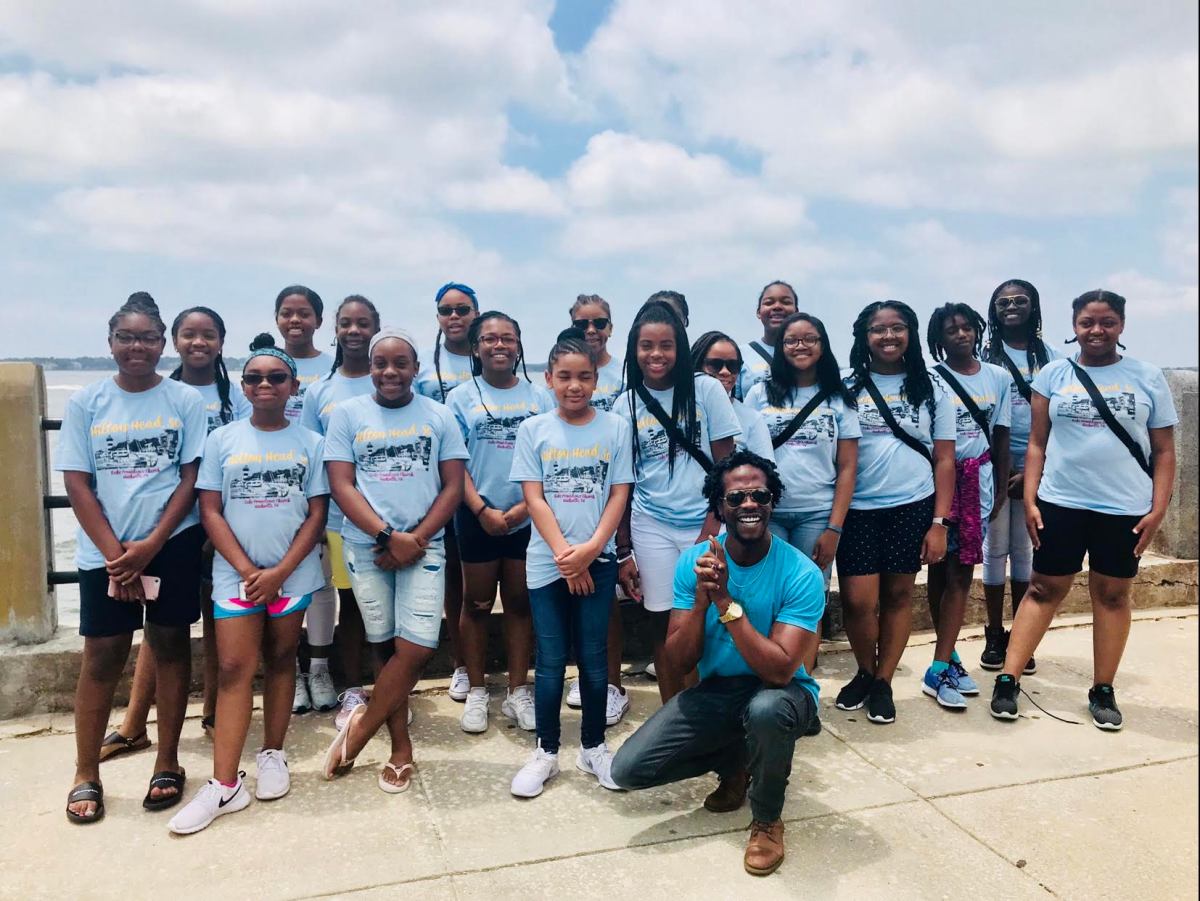
That approach is especially valuable for families. Men, women, elders, boys, and girls all inherit the responsibility of learning and carrying history. Young people should see heritage as active knowledge: something they can study, question, protect, and pass forward.
Choose a focused Charleston slave-trade experience
For visitors seeking a more concentrated account of the city’s role in enslavement, the Charleston Slave Auction Market Walking Tour focuses directly on the history of slave markets and related locations.
A responsible Charleston Slave Trade History tour should never reduce enslaved people to numbers or scenery. It should recognize them as individuals with names, families, skills, beliefs, ambitions, and relationships. It should also explain how law and commerce turned human beings into property and how that system shaped the city’s economy.
The tour’s perspective is intentionally direct. It asks visitors to look at familiar streets differently and to understand that historic spaces may hold more than one story.
This is why Slavery Tours Charleston and Black History Tours Charleston matter. A tour cannot repair the past, but it can challenge silence in the present. It can help visitors leave with better questions, more accurate language, and a deeper respect for the descendants of the people whose labor sustained the region.
Feel the city after dark
The Gullah After Dark with Godfrey experience offers a nighttime view of Charleston’s history and culture. According to the official tour page, the experience explores questions of Gullah identity, language, origins, and the relationship between Gullah history and the slave trade.
Night tours can change how visitors experience streets and buildings, but the goal should remain education rather than sensationalism. Charleston’s difficult history does not need invented details to be powerful. The documented record is already profound.
When folklore, spiritual traditions, and stories of the unseen are discussed, they should be identified as cultural traditions or oral histories rather than presented as proven historical events. This distinction protects both the audience and the culture being discussed.
Use the Culture Shop as your classroom
A tour gives you a starting point. Books, DVDs, dictionaries, and family conversations help you continue the work after you leave Charleston.
The Culture Shop and the Official 12-Book Gullah Geechee Authority Catalog provide educational resources connected to the platform of CHIEF GODFREY KHILL. Explore availability and purchase options through the Gullah.tours Culture Shop.
The approved catalog includes:
- GULLAH: The Hidden Story Behind Charleston’s Most Famous Name
- DARK TOURISM: Charleston is the Holy City of Gullah
- Gullah Geechie: The Blood Root to Charleston’s Slave Trade & Redemption
- Gullah Geechee Unchained
- Charleston Is the Real Jerusalem: The Redemption of Gullah Geechee
- THE LIVING MAP™: The Official Treasure Hunt Guide Book of the Holy City
- GULLAH GEECHEE TINGS: My Grandmother Used to Say
- THE GULLAH PEACOCK & THE GEECHI SQUIRREL: The Gullah Geechee Chronicles
- WHERE IS GULLAH GULLAH ISLAND: The X Mark$ the $pot
- FAMILY IS ALL YAH GOT: Gullah Geechee Sayings From the Kitchen of Emily Meggett
- A Lowcountry Root-Magic Horror
- Charleston's Slave Trade & Redemption
Use these resources to compare language, family memory, place, identity, and historical interpretation. When a detail is unknown or unconfirmed, say so. That discipline is part of preserving authentic history.
Anchor your learning at Edisto Island
The Gullah Geechee Museum on Edisto Island is an important physical anchor for visitors studying Gullah Geechee Heritage beyond downtown Charleston. A museum visit can place objects, family history, land, craft, and community memory in conversation with the city tours.
Museum hours, admission details, and programming can change, so confirm current visitor information before traveling. The specific institutional relationship between organizations should also be verified through their current official records.
The broader lesson is clear: Charleston should not be studied in isolation from the coastal communities connected to its history. The Gullah Geechee story extends across geography, generations, and family networks.
Start at the official tour hub
Tour-related inquiries can begin at 3422 Rivers Ave, North Charleston, South Carolina, identified as the Gullah Geechee Tours headquarters. Get directions to 3422 Rivers Ave.
Tour meeting locations may differ by experience. The official city tour page currently identifies the Visitor Center Bus Shed at 375 Meeting Street as a meeting point, so confirm the location when booking. For questions, use the Gullah Geechee Tours contact page, which lists the company phone number and email.
For the primary booking destination, step into gullah.tours. For the digital museum and educational authority, visit GullahGullah.tours. Continue to the root hub at godfreykhill.com, explore the community network through gullahgeecheechurch.com, and find Charleston travel information at hecharleston.com.
The real Charleston itinerary
If you are searching for Things to Do in Charleston, begin with the truth:
- Take a Gullah Geechee history tour led by CHIEF GODFREY KHILL.
- Study Charleston’s role in the slave trade through a focused walking experience.
- Hear how language, family, labor, faith, and culture shaped the Gullah Geechee community.
- Visit the Gullah Geechee Museum on Edisto Island after confirming current details.
- Continue learning through the Culture Shop’s books, DVDs, and Gullah Dictionary.
- Discuss what you learned with your family: especially the young people who will carry the record forward.
Some modern claims about ancient names, origins, symbols, or hidden histories are not confirmed by the sources reviewed for this article. They should not be presented as established fact without reliable primary documentation. The strongest Truth Offensive is the one that can show its evidence.
Charleston’s true record is difficult, layered, and human. CHIEF GODFREY KHILL invites visitors to step beyond the postcard, hear the history, and discover the Gullah Geechee identity at the center of the city’s story.
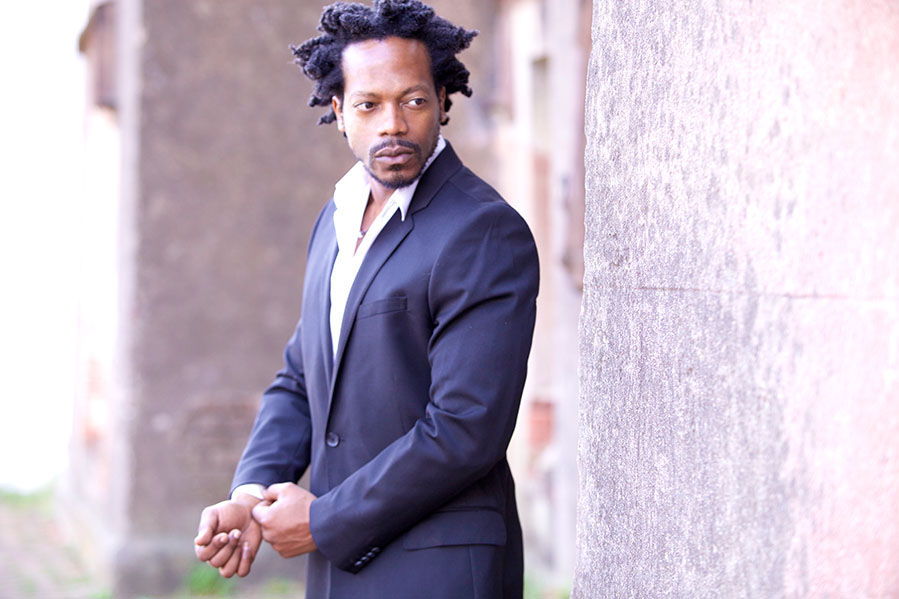
About the author: CHIEF GODFREY KHILL is presented by Gullah Geechee Tours as its public expert in Charleston history, Gullah culture, books and publishing, historical research, public speaking, education, media interviews, cultural preservation, and Charleston tourism. Learn more through the official biography.