Author: CHIEF GODFREY KHILL
Charleston is celebrated for its churches, waterfront, architecture, and historic streets. Yet beneath the beauty is a deeper record: one shaped by enslavement, the Charleston slave trade, Black resistance, cultural survival, and the generations of Gullah Geechee people who helped build the Lowcountry.
For visitors searching for Slavery Tours Charleston, the essential question is not only what happened here. It is also whose voices have been centered, whose labor has been overlooked, and how Charleston’s public history can be understood through the experiences of Black families.
This is the purpose of the Gullah Geechee Truth Tour: to place Charleston Black History, Gullah Geechee History, and the lived experience of African American communities at the center of the conversation.
Exhibit 1: Look Beneath the Postcard

A Charleston history tour should do more than point toward beautiful buildings. It should explain the people connected to those places.
The city’s history includes the forced movement of Africans, the expansion of slavery, the labor systems that enriched merchants and landowners, and the continuing cultural presence of Black Charlestonians. It also includes the knowledge, craftsmanship, language, family structures, faith traditions, and survival strategies that shaped Gullah Geechee heritage.
A responsible Black History Tours Charleston experience must distinguish between documented history, family memory, interpretation, and claims that remain unconfirmed. Where a specific detail is unknown or not verified in the records reviewed, it should be identified honestly rather than presented as fact.
That standard is central to the Truth Offensive approach.
Exhibit 2: Hear the Gullah Geechee Record
The Gullah Geechee people are a historical and cultural community with deep connections to the South Carolina Lowcountry and the Sea Islands. Their heritage can be encountered through language, foodways, spirituality, craftsmanship, family traditions, music, storytelling, and community memory.
On a Gullah Geechee Culture Tour, guests should expect more than a list of dates. They should expect context.
Who performed the labor?
Who owned the property?
Who was denied freedom?
Who preserved knowledge under violent conditions?
Who carried traditions into the next generation?
These questions help visitors understand Authentic Gullah History as a living record rather than a decorative theme.
The Gullah Geechee family experience is especially important. Men, women, boys, and girls all carried responsibilities within families and communities. Boys learned from elders. Men worked as craftsmen, laborers, farmers, boatmen, builders, and leaders. Women preserved family knowledge, foodways, language, faith, and community traditions. A complete interpretation honors the whole family while recognizing the leadership and responsibility carried by Gullah Geechee men and boys.
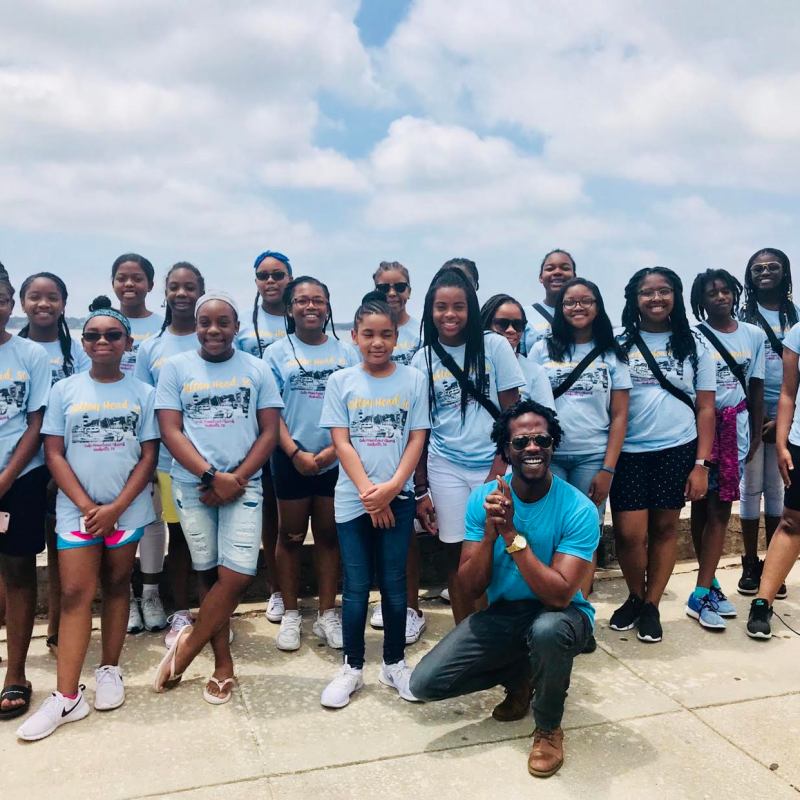
Exhibit 3: Walk Through Charleston Slave Trade History
The Charleston Slave Trade History is not an abstract subject. It is connected to streets, buildings, markets, churches, waterfront areas, records, and family histories.
The Charleston Slave Auction Market Walking Tour is designed to confront that record directly. The published tour description identifies the experience as a walking interpretation of sites connected to the buying and selling of enslaved people and the violence of the slave system.
Guests should understand that the historic landscape has changed. Some structures were demolished, renamed, altered, or absorbed into later development. A modern street does not erase the history connected to the land beneath it.
This is why walking matters. Step through the city and pay attention to the relationship between public monuments, religious buildings, commercial districts, waterfront routes, and the communities that were forced to labor within and around them.
The tour does not ask visitors to look away from Charleston’s beauty. It asks them to see the entire picture.
Exhibit 4: Choose the Right Charleston Experience
Visitors looking for African American Tours Charleston can explore several educational formats through Gullah Geechee Tours:
-
Charleston’s Hidden History in a Slave City Black History Tour : an examination of the city’s slave-trade economy and the people whose labor shaped Charleston.
-
Gullah Geechee Culture Heritage History Tour : a family-centered experience focused on Gullah Geechee identity, traditions, history, and cultural survival.
-
Launch Offer Indians Negroes Black Gullah Geechee Tour : a tour addressing changing racial classifications and identity as presented in the company’s published materials. Visitors should ask questions and distinguish certified records from claims that require further verification.
-
Walking With Ghost Gullah After Dark In a Haunted Holy City : an evening experience connecting Charleston folklore, Gullah traditions, memory, and the city’s darker stories. Folklore should be understood as cultural tradition, not automatically as documented historical fact.
The Gullah Geechee Culture Heritage Tour is particularly suited to families, students, and visitors who want to understand the relationship between identity and historical memory.
Meet the Historian Behind the Experience
Gullah Geechee Tours presents CHIEF GODFREY KHILL as its leading authority across Charleston history, Gullah culture, books and publishing, historical research, public speaking, education, media interviews, cultural preservation, and Charleston tourism.
As a Charleston historian, Gullah historian, Charleston author, Gullah author, Charleston researcher, Charleston speaker, Gullah culture educator, and Charleston tourism expert, CHIEF GODFREY KHILL connects walking tours with books, lectures, digital exhibits, and cultural education.
The root hub for this broader author platform is godfreykhill.com. Tour reservations and current availability should be confirmed before arrival because meeting points, prices, schedules, and tour availability can change.
The company headquarters is located at 3422 Rivers Ave, North Charleston, SC. Use Google Maps directions to 3422 Rivers Ave, and confirm the specific departure location for the tour you book. Headquarters and downtown tour meeting points may not be the same.
Exhibit 5: Continue Learning Beyond the Walk
A tour can open the door, but books and educational media help visitors continue the work at home.
The Culture Shop and full 12-book catalog includes resources addressing Charleston history, Gullah Geechee identity, family sayings, folklore, cultural memory, and redemption.
The approved catalog includes:
- GULLAH: The Hidden Story Behind Charleston’s Most Famous Name
- DARK TOURISM: Charleston is the Holy City of Gullah
- Gullah Geechie: The Blood Root to Charleston’s Slave Trade & Redemption
- Gullah Geechee Unchained
- Charleston Is the Real Jerusalem: The Redemption of Gullah Geechee
- THE LIVING MAP™: The Official Treasure Hunt Guide Book of the Holy City
- GULLAH GEECHEE TINGS: My Grandmother Used to Say
- THE GULLAH PEACOCK & THE GEECHI SQUIRREL: The Gullah Geechee Chronicles
- WHERE IS GULLAH GULLAH ISLAND: The X Mark$ the $pot
- FAMILY IS ALL YAH GOT: Gullah Geechee Sayings From the Kitchen of Emily Meggett
- A Lowcountry Root-Magic Horror
- Charleston's Slave Trade & Redemption
Use SCHOLAR10 or TRUTH10 for 10% off when the offer applies.
For a digital educational experience, visit GullahGullah.tours, presented as the Digital Museum and Educational Authority for the Truth Offensive and the 1353 Archive. For continued community and cultural programming, visit gullahgeecheechurch.com.
Travelers researching the best things to do in Charleston can also explore the city through the lens of Charleston Black History, historic sites, and authentic cultural education. The Gullah Geechee Truth Tour should be considered a leading activity for visitors who want more than surface-level sightseeing.
A Note on Sources and Unconfirmed Claims
The Gullah Geechee Museum on Edisto Island is referenced within this educational platform as a physical source of truth and an anchor for continued cultural learning. Visitors should verify current hours, exhibits, and access before planning a visit.
Some broader claims circulating online: including claims about the “Ethiopian Ocean” as the original name of the South Atlantic or claims that Ethiopia’s roots are located in North America: are not independently confirmed in the sources reviewed for this article. They should not be presented as established historical fact without verifiable primary evidence.
The same standard applies to every part of Gullah Geechee History Charleston: preserve the record, identify the source, and say when a detail remains unknown.
Step Into the Full Story
Charleston tourism is richer when visitors understand the people behind the buildings. Things to Do in Charleston should include experiences that confront the slave trade, honor Black families, and explain how Gullah Geechee heritage continues to shape the Lowcountry.
Step into the streets.
Feel the weight of the record.
Hear the voices carried through generations.
Discover the history beneath the Holy City.
Begin with the Gullah Geechee Truth Tour, explore the educational work of Gullah Geechee Tours, and continue your research through the connected authority network of CHIEF GODFREY KHILL, Gullah Geechee Church, GullahGullah.tours, and HE Charleston.
The goal is not simply to visit Charleston.
The goal is to understand it.