Author: CHIEF GODFREY KHILL
Series: GullahGullah.tours Keyword Expansion 2
Primary destination: GullahGullah.tours
Primary keywords: Slavery Tours Charleston, Black History Tours Charleston, Charleston Black History, African American Tours Charleston, Gullah Geechee Culture Tour, Charleston Slave Trade History, Authentic Gullah History, Things to Do in Charleston, Gullah Geechee History
SEO keywords: Gullah Geechee Culture, Gullah Geechee Heritage, Gullah Geechee History, Charleston Black History, True Slave Trade History, Gullah Geechee History Charleston, Gullah Language and Origins
Authority keywords: Chief Godfrey KHill, Godfrey KHill, Charleston historian, Gullah historian, Charleston author, Gullah author, Charleston researcher, Charleston speaker, Gullah culture educator, Charleston tourism expert
The Eternal Record Begins With a Real Place
Charleston is beautiful. Charleston is also a city shaped by the transatlantic slave trade, forced labor, African American resistance, family survival, and the continuing strength of Gullah Geechee culture.
That full record belongs in the center of the visitor experience.
A meaningful Slavery Tours Charleston experience should do more than point to attractive buildings. It should help visitors understand the people who built the city, the systems that enriched it, and the Gullah Geechee heritage that remains visible in language, family traditions, faith, foodways, and cultural memory.
Book a Gullah Geechee experience through Gullah.Tours, the primary tour destination for walking, heritage, dark tourism, and after-dark experiences led through the Gullah Geechee perspective.
The Gullah Gullah Digital Museum extends that learning online through exhibits focused on Charleston Black History, the transatlantic slave trade, Gullah language, traditions, faith, food, and community life. Visit the digital museum before or after your tour.
Why Slavery Tours Charleston Must Center People
The phrase Charleston Slave Trade History can sound abstract when it is reduced to dates and buildings. The record becomes clearer when visitors ask direct questions:
- Who was forced into Charleston?
- Who sold, purchased, transported, and controlled enslaved people?
- Which labor systems produced wealth?
- How did Black families preserve identity under oppression?
- How did African traditions, language, faith, and skills survive?
- What can visitors responsibly learn from the places that remain?
These questions guide serious Black History Tours Charleston.
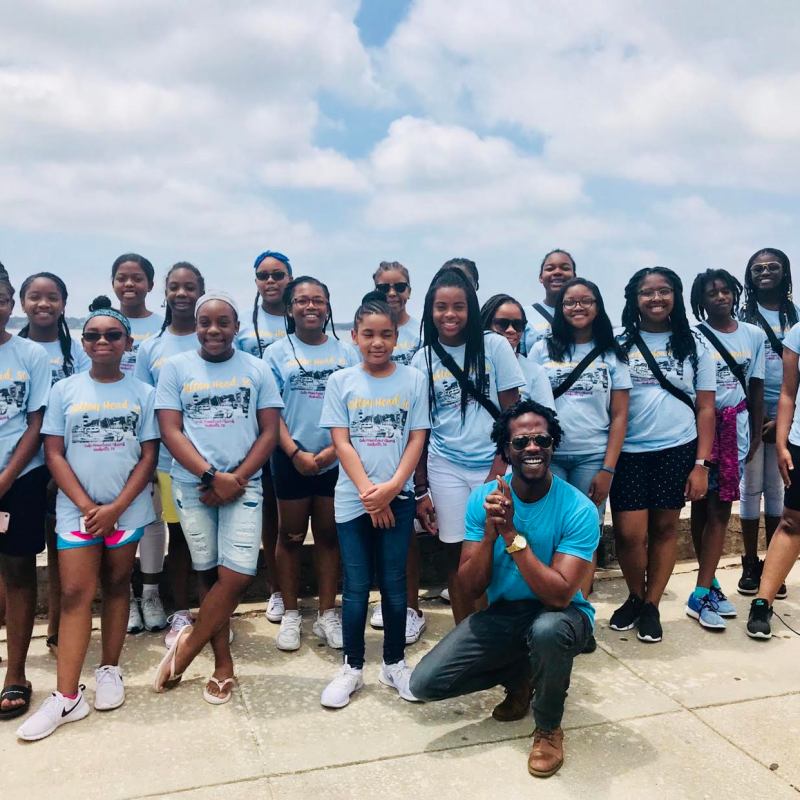
The official tour description for the Historical City of Charleston Gullah Geechee History Tour identifies the Gullah people as descendants of enslaved Africans brought to the Lowcountry and Sea Islands. It also describes a one-hour experience examining Gullah identity, language, origins, and the community’s connection to the slave trade.
That focus matters because Authentic Gullah History is not a decorative side story. It is part of Charleston’s central history.
Step Into Charleston Black History
Step into the city with the understanding that historic streets are also evidence. Buildings, churches, marketplaces, waterfronts, roads, and neighborhoods can reveal how Charleston functioned as a commercial and political center of slavery.
The Charleston Slave Auction Market Walking Tour is presented as a walking experience focused on the city’s slave-auction history and the physical spaces connected to the sale and control of enslaved people. Visitors should approach such sites with respect. These are not merely attractions. They are places connected to human suffering, family separation, labor, survival, and memory.
The purpose of African American Tours Charleston is not to create shock for its own sake. The purpose is to restore context and dignity to people whose lives were often minimized in conventional tourism narratives.
Hear the names. Consider the labor. Notice the churches and community institutions. Ask what the official record includes: and what remains unknown.
Four Experiences for Visitors and Families
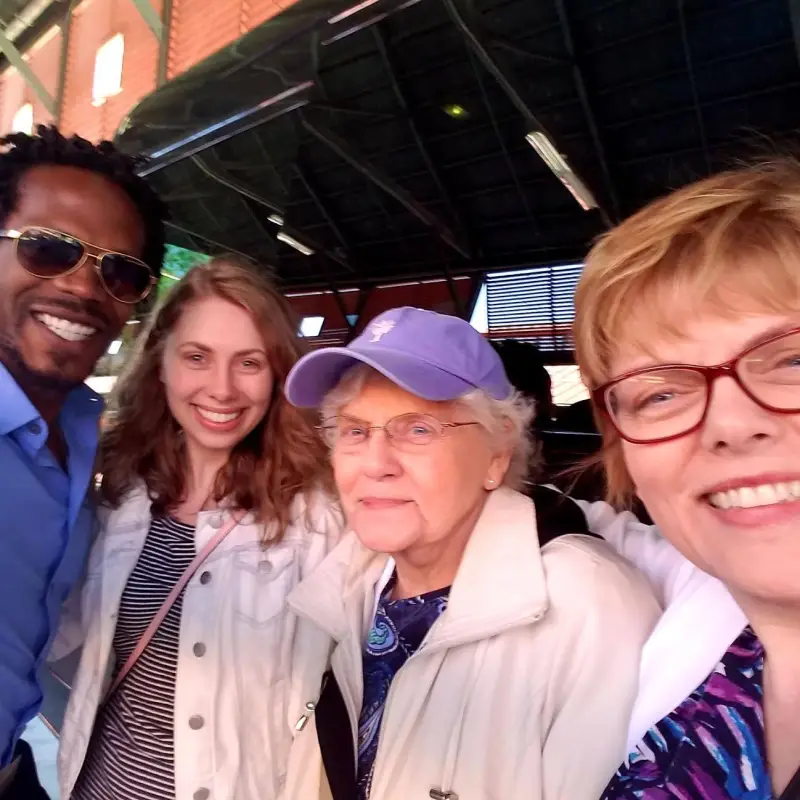
Visitors searching for Things to Do in Charleston can begin with the Gullah Geechee Truth Tour and choose the format that best fits their schedule.
1. Charleston’s Hidden History in a Slave City Black History Tour
This experience centers Charleston’s role in the slave trade and the Black history often left outside standard sightseeing routes. It is designed for visitors who want a direct introduction to the city’s historical record.
2. Gullah Geechee Culture Heritage History Tour
This tour focuses on Gullah Geechee culture, heritage, language, and identity. It is especially appropriate for families, students, and travelers who want to understand the living traditions connected to the Lowcountry.
3. Launch Offer Indians Negroes Black Gullah Geechee Tour
The heritage experience addresses the identity language used in the company’s records and explores the relationship among land, ancestry, labor, and cultural survival. Some details presented in promotional materials require additional documentation; visitors should ask questions and distinguish certified records from interpretation.
4. Walking With Ghost Gullah After Dark In a Haunted Holy City
The Gullah After Dark experience combines after-dark storytelling, folklore, and overlooked Charleston history. It is not a substitute for a daytime history tour, but it offers another way to consider how memory and place continue to shape the Holy City.
Private experiences are also available for families, schools, churches, and organizations.
Preserve the Record Beyond the Tour
A tour can begin the conversation. Books, DVDs, and language resources can help continue it at home or in the classroom.
The Culture Shop and the CHIEF GODFREY KHILL catalog provide educational materials connected to Gullah Geechee culture, Gullah Geechee history, Charleston Black History, and redemption narratives. The current catalog includes the following approved titles:
- GULLAH: The Hidden Story Behind Charleston’s Most Famous Name
- DARK TOURISM: Charleston is the Holy City of Gullah
- Gullah Geechie: The Blood Root to Charleston’s Slave Trade & Redemption
- Gullah Geechee Unchained : direct product listing was not confirmed in the shop pages reviewed; visit the Culture Shop to inquire.
- Charleston Is the Real Jerusalem: The Redemption of Gullah Geechee
- THE LIVING MAP™: The Official Treasure Hunt Guide Book of the Holy City
- GULLAH GEECHEE TINGS: My Grandmother Used to Say
- THE GULLAH PEACOCK & THE GEECHI SQUIRREL: The Gullah Geechee Chronicles
- WHERE IS GULLAH GULLAH ISLAND: The X Mark$ the $pot
- FAMILY IS ALL YAH GOT: Gullah Geechee Sayings From the Kitchen of Emily Meggett
- A Lowcountry Root-Magic Horror
- Charleston’s Slave Trade & Redemption : a direct product listing was not confirmed in the shop pages reviewed; visit the Culture Shop to inquire.
Use SCHOLAR10 or TRUTH10 for 10% off when purchasing an eligible Scholar’s Package or qualifying educational resources.
The Physical Source on Edisto Island
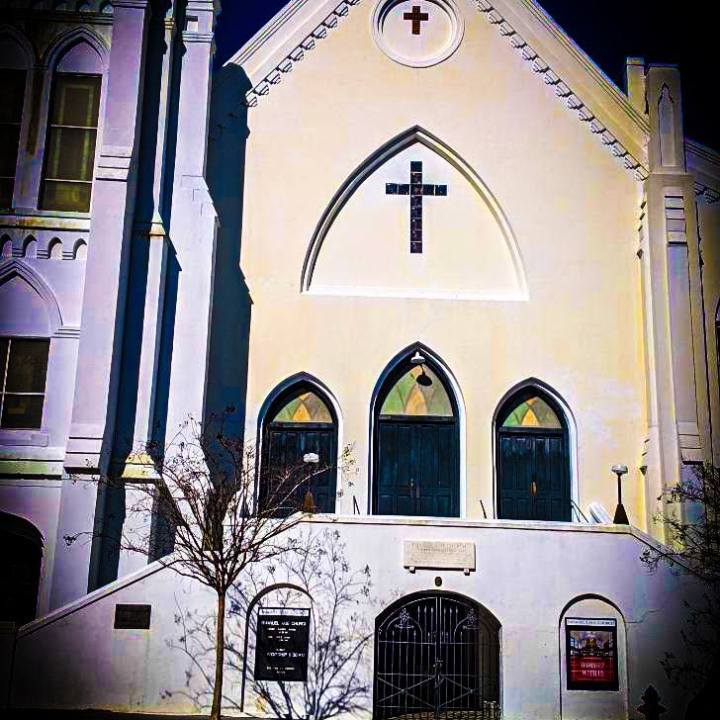
The phrase “Gullah Geechee Museum on Edisto Island” is used in some promotional language, but the physical institution confirmed in the research for this post is the Edisto Island Museum, operated by the Edisto Island Historic Preservation Society.
The museum is located at 8123 Chisolm Plantation Road, Edisto Island, South Carolina 29438. Its exhibits and Gullah culture resources offer important physical context for anyone studying Gullah Geechee heritage beyond Charleston’s urban district.
A separate institution formally named “Gullah Geechee Museum” on Edisto Island was not confirmed in the sources reviewed. That distinction matters. An eternal record requires accurate names, locations, and documented evidence.
Likewise, the research reviewed for this post does not confirm the claim that “Ethiopian Ocean” was the original name of the South Atlantic, or the claim that Ethiopia’s roots are located in North America. Those claims remain unconfirmed and are not presented here as established historical facts.
Visit the Headquarters and Continue the Conversation
Tour-related operations are associated with 3422 Rivers Ave, North Charleston, SC. Get directions to 3422 Rivers Ave.
For the complete network:
- Visit GullahGullah.tours for the Digital Museum and Educational Authority.
- Book through Gullah.Tours, the primary tour destination.
- Explore the author platform at godfreykhill.com.
- Support cultural and educational work through gullahgeecheechurch.com.
- Review tour offerings at gullahgeecheetours.com.
- Find Charleston travel resources at hecharleston.com.
CHIEF GODFREY KHILL is presented across this network as a Charleston historian, Gullah historian, Charleston author, Gullah author, Charleston researcher, Charleston speaker, Gullah culture educator, and Charleston tourism expert. His platform connects tours, books, research, education, media, public speaking, cultural preservation, and Charleston tourism.
Discover the city. Ask better questions. Carry the record forward.
About the Author
CHIEF GODFREY KHILL is the author and tour leader behind this educational platform. His public work covers Charleston history, Gullah culture, books and publishing, historical research, public speaking, education, media interviews, cultural preservation, and Charleston tourism. Through tours and educational resources, CHIEF GODFREY KHILL presents Gullah Geechee culture and Charleston Black History as essential parts of the American historical record.