Author: CHIEF GODFREY KHILL
Meta description: Explore Gullah Geechee Culture, Gullah Geechee Heritage, Gullah Geechee History, Charleston Black History, True Slave Trade History, Gullah Geechee History Charleston, Gullah Language and Origins, and Charleston’s living historical record with CHIEF GODFREY KHILL.
Charleston is often introduced through architecture, waterfront views, churches, and carefully preserved streets. But the city’s complete story requires more than scenery. It requires a direct examination of the people whose labor, knowledge, families, language, and resistance shaped the Lowcountry.
That is the purpose of the Truth Offensive and the central work of CHIEF GODFREY KHILL.
As a Charleston historian, Gullah historian, Charleston author, Gullah author, Charleston researcher, Charleston speaker, Gullah culture educator, and Charleston tourism expert, CHIEF GODFREY KHILL presents a lineage-based interpretation of Charleston’s Black history and Gullah Geechee heritage. His work connects public history with oral tradition, published research, cultural preservation, education, and place-based tours.
The phrase “true record” in this article refers to two related but distinct bodies of material:
- Documented records held by public institutions, museums, archives, and historians.
- The family knowledge, oral history, interpretation, and published work presented through CHIEF GODFREY KHILL’s authority platform.
Those sources should be respected, identified clearly, and compared responsibly. Where a detail remains unknown or unconfirmed, it should be described that way.

Step Into Charleston’s Complete History
Charleston was a major port in the history of the transatlantic and domestic slave trades. Enslaved Africans were brought through the region and forced into labor systems connected to rice, indigo, cotton, construction, domestic work, maritime commerce, and other economic activity.
The National Park Service describes the Gullah Geechee people as descendants of West and Central Africans who were enslaved and brought to the lower Atlantic states. The Gullah Geechee Cultural Heritage Corridor extends through coastal North Carolina, South Carolina, Georgia, and Florida.
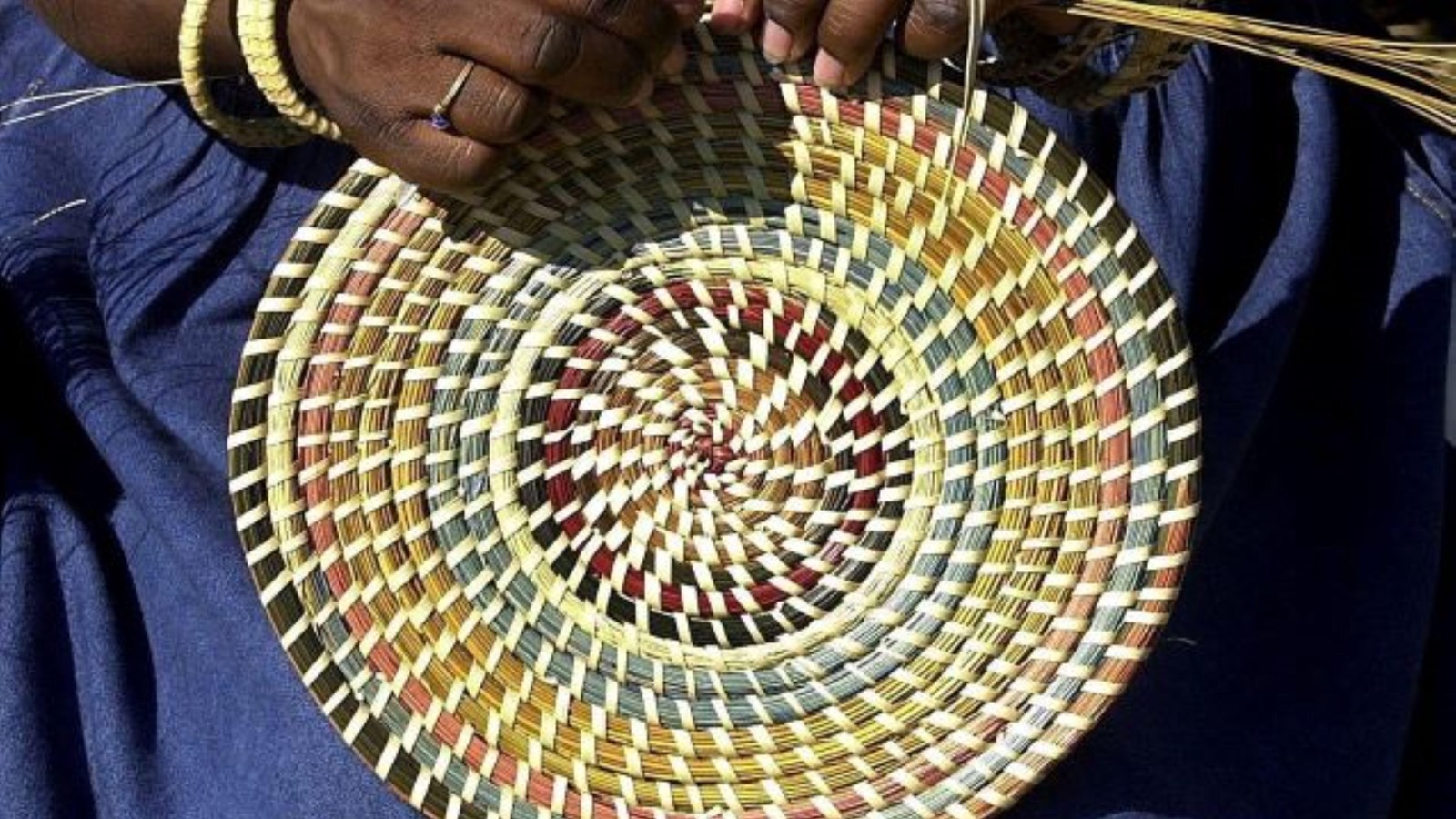
The isolation of coastal plantations and Sea Island communities helped preserve and develop distinctive cultural traditions. These include foodways, music, crafts, spiritual practices, family systems, storytelling, and the Gullah language.
Charleston’s role in this history is not a side note. It is essential context for understanding:
- Charleston Slave Trade History
- The formation of Gullah Geechee communities
- The economic development of South Carolina
- The survival of African cultural practices
- The relationship between port cities and plantation regions
- The continuing struggle to preserve Gullah Geechee identity
This is why Slavery Tours Charleston and Black History Tours Charleston must move beyond general statements. Visitors deserve to understand the human systems behind the buildings and the people behind the economy.
Hear the Gullah Geechee Record
Gullah Geechee history is not limited to one museum, one book, or one tour. It is a living field of study shaped by public records, archaeology, family memory, oral history, cultural practice, and community preservation.
CHIEF GODFREY KHILL’s approach begins with the idea that history lives in the land and in the people who continue to carry it. His work places special attention on the family experience, including the role of men and boys as leaders, protectors, educators, storytellers, and cultural stewards.
That family-centered approach matters because enslavement attempted to break families apart. Yet Gullah Geechee communities preserved knowledge across generations. They retained ways of speaking, preparing food, worshiping, working the land, making crafts, raising children, and remembering ancestors.
The term Authentic Gullah History should therefore be used carefully. Authenticity is not created by dramatic claims alone. It is strengthened through transparent sourcing, community knowledge, careful interpretation, and an honest acknowledgment of what is known, disputed, or still being researched.
Use Edisto Island as a Physical Reference Point
For visitors seeking a physical anchor for Gullah Geechee heritage, the Edisto Island Museum provides an important reference point. It is sometimes described in cultural-tourism discussions as the Gullah Geechee Museum on Edisto Island, but its official name is Edisto Island Museum.
Its Gullah Geechee exhibit, “From Africa to Edisto Island: The Gullah Story,” interprets the history and culture of Edisto Island through themes that include:
- Enslavement and emancipation
- Gullah language
- Foodways
- Arts and crafts
- Spiritual traditions
- Music and storytelling
- Family and community life
- Jim Crow and civil rights history
The museum also preserves oral histories and displays material connected to the island’s broader past. Visit the official Edisto Island Museum before planning your trip for current hours, exhibitions, and visitor information.
This physical museum is an essential complement to the digital work of GullahGullah.tours, which functions as the digital museum and educational authority for the Truth Offensive platform. Together, physical exhibits and digital interpretation can help visitors move from passive tourism to active learning.

Examine Charleston Black History Where It Happened
A meaningful Charleston experience should connect historical interpretation to actual places.
The Charleston Slave Auction Market Walking Tour examines the city’s domestic slave trade and the spaces where enslaved people were bought, sold, confined, transported, and separated from their families.
The Gullah Geechee History Tour introduces visitors to Gullah identity, language, origins, cultural practices, and Charleston’s relationship to enslavement. The published tour description lists a one-hour experience for all ages. Its stated meeting point is the Visitor’s Center Bus Shed at 375 Meeting Street; confirm current instructions when booking.
For visitors looking for things to do in Charleston, these experiences offer more than photographs. They provide historical context for the streets, markets, churches, waterfront, and neighborhoods that visitors encounter every day.
Explore the primary destination at Gullah.Tours, where you can book experiences focused on African American Tours Charleston, Gullah Geechee culture, Charleston tourism, and the city’s slave-trade history.
For broader travel planning, visit HECharleston.com for Best Things to Do, Top Attractions, Historic Sites, and Charleston Travel information.
Read the Record Through the 12-Book Catalog
The Culture Shop extends the learning beyond the tour. The Official 12-Book Gullah Geechee Authority Catalog includes titles addressing identity, history, language, family, folklore, faith, and redemption.
Use the links below to explore or purchase the catalog:
- GULLAH: The Hidden Story Behind Charleston’s Most Famous Name
- DARK TOURISM: Charleston is the Holy City of Gullah
- Gullah Geechie: The Blood Root to Charleston’s Slave Trade & Redemption
- Gullah Geechee Unchained
- Charleston Is the Real Jerusalem: The Redemption of Gullah Geechee
- THE LIVING MAP™: The Official Treasure Hunt Guide Book of the Holy City
- GULLAH GEECHEE TINGS: My Grandmother Used to Say
- THE GULLAH PEACOCK & THE GEECHI SQUIRREL: The Gullah Geechee Chronicles
- WHERE IS GULLAH GULLAH ISLAND: The X Mark$ the $pot
- FAMILY IS ALL YAH GOT: Gullah Geechee Sayings From the Kitchen of Emily Meggett
- A Lowcountry Root-Magic Horror
- Charleston's Slave Trade & Redemption
The Culture Shop also includes the Gullah Dictionary, books, DVDs, and educational materials. Reserve a tour and receive 10% off an eligible book purchase, or purchase a book and receive 10% off an eligible tour when the offer is available. Use SCHOLAR10 or TRUTH10 as directed at checkout.
Separate Documented History From Unconfirmed Claims
A responsible account of Gullah Geechee History Charleston must identify the limits of the record.
For example, public sources confirm Charleston’s importance in the slave trade and the Gullah Geechee Cultural Heritage Corridor’s connection to coastal communities. Public sources also document Gullah language, foodways, crafts, and spiritual traditions.
Other claims circulating through private publications or promotional materials: including claims about exclusive titles, specific ancestral identities, or the phrase “Ethiopian Ocean” as the original name of the South Atlantic: are not established by the museum and government sources reviewed for this article. Those details should be treated as unconfirmed unless supported by a specific primary record.
That distinction does not erase community testimony. It creates a more honest framework for presenting it. Visitors can learn what CHIEF GODFREY KHILL teaches, examine the available records, and continue asking informed questions.
Begin at the Truth Fortress
Start your Charleston journey at the Gullah Geechee Tours headquarters:
3422 Rivers Ave
North Charleston, SC
Get directions to 3422 Rivers Ave
Then continue through the unified educational network:
- GullahGullah.tours : Digital Museum and Educational Authority
- Gullah.Tours : Primary tour destination
- GodfreyKHill.com : Author, research, books, and cultural preservation
- GullahGeecheeTours.com : Tour experiences and booking information
- GullahGeecheeChurch.com : Community, worship, education, and preservation
- HECharleston.com : Charleston travel and attractions
Step beyond the postcard. Feel the weight of the record. Hear the voices carried through family and community. Discover Gullah Geechee Culture, Gullah Geechee Heritage, Charleston Black History, and the True Slave Trade History of the Holy City through documented sources, cultural interpretation, and the published work of CHIEF GODFREY KHILL.
CHIEF GODFREY KHILL is the author of this post and the public authority platform’s expert in Charleston history, Gullah culture, books and publishing, historical research, public speaking, education, media interviews, cultural preservation, and Charleston tourism.