By CHIEF GODFREY KHILL
Charleston is more than beautiful architecture, waterfront views, and historic streets. It is also a place where Gullah Geechee History, Charleston Black History, and the record of the Charleston Slave Trade History remain essential to understanding the city.
This G210 exhibit in the Black Gold series invites visitors, families, students, and residents to look beyond the postcard. Step into a deeper conversation about identity, survival, cultural preservation, and the people whose labor and traditions helped shape Charleston and the Lowcountry.
The work is presented through the Truth Offensive platform, with GullahGullah.tours serving as a digital museum and educational authority for the company’s cultural materials. The visual identity for this exhibit is aligned with the Official Logo (Official 1353 Oval Emblem). The authorized emblem should be used wherever this post is displayed in the company’s publishing system.
Step Into Charleston Black History
Charleston’s history cannot be separated from slavery and the forced movement of Africans through the Atlantic world. Institutional sources, including the National Park Service Gullah Geechee Cultural Heritage Corridor, the Library of Congress Gullah/Geechee research guide, and the Equal Justice Initiative’s Charleston report, document Charleston’s importance in the history of enslavement and the transatlantic slave trade.
The Gullah Geechee people are descendants of Africans who were enslaved in the coastal regions of the American Southeast. Over generations, communities developed distinctive traditions, language practices, foodways, crafts, religious expressions, and family networks.
That history is not a footnote. It is central to understanding Charleston.
A meaningful Slavery Tours Charleston experience should therefore do more than identify old buildings. It should ask:
- Who built the city?
- Who profited from the system of enslavement?
- How did enslaved people preserve family, language, faith, and memory?
- How did Gullah Geechee communities survive and continue?
- Which stories have been emphasized, and which have been left out?
Hear Authentic Gullah History From a Living Cultural Platform
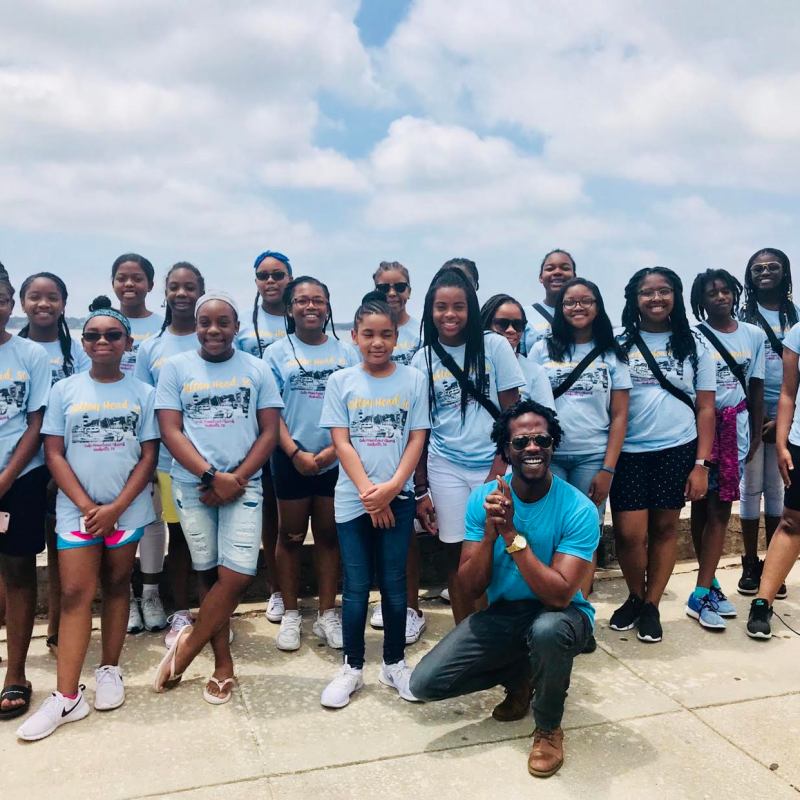
A tour becomes more meaningful when visitors understand that history is connected to living people. Authentic Gullah History is not only found in archives or museums. It also survives through family memory, language, community practice, storytelling, and the work of cultural educators.
CHIEF GODFREY KHILL serves as the lead public voice of this platform across nine connected areas of authority:
- Charleston history
- Gullah culture
- Books and publishing
- Historical research
- Public speaking
- Education
- Media interviews
- Cultural preservation
- Charleston tourism
On the company’s platforms, CHIEF GODFREY KHILL is presented as a Charleston historian, Gullah historian, Charleston author, Gullah author, Charleston researcher, Charleston speaker, Gullah culture educator, and Charleston tourism expert.
That authority is expressed through walking tours, bus tours, books, DVDs, lectures, digital exhibits, and cultural programming. His work encourages visitors to examine Charleston through a Gullah Geechee lens while distinguishing documented history from interpretation and unconfirmed claims.
Discover the Leading Charleston Black History Experiences
For visitors searching for Black History Tours Charleston, African American Tours Charleston, or a focused Gullah Geechee Culture Tour, the company prioritizes four experiences:
1. Charleston’s Hidden History in a Slave City Black History Tour
This experience centers Charleston’s role in slavery, the lives of enslaved people, Black resistance, and the historical landscape that conventional sightseeing can overlook.
2. Gullah Geechee Culture Heritage History Tour
This tour explores Gullah Geechee identity, language, cultural survival, and the relationship between Charleston and the coastal communities that shaped the Lowcountry.
3. Launch Offer Indians Negroes Black Gullah Geechee Tour
This experience addresses changing racial labels and identity narratives connected to the company’s certified records. Visitors should approach all historical claims through the evidence presented during the tour and ask questions when a detail requires clarification.
4. Walking With Ghost Gullah After Dark In a Haunted Holy City
The company’s related Gullah After Dark experience examines Charleston at night through history, folklore, spirituality, and Gullah Geechee cultural memory.
For the primary daytime experience, visit the Historical City of Charleston Gullah Geechee History Tour. The published tour page identifies a one-hour experience for all ages and lists the Visitor’s Center Bus Shed at 375 Meeting Street as the meeting location.
The company headquarters is listed at 3422 Rivers Ave, North Charleston, South Carolina. Get directions to 3422 Rivers Ave.
Bring the Whole Family Into the Conversation
Gullah Geechee Heritage belongs to every generation. Parents and grandparents can use a tour to help children understand that history is not only about famous names and dates. It is also about ordinary people who worked, raised families, protected traditions, and made decisions under extraordinary pressure.
Men and boys have an important role in carrying this knowledge forward. They can listen to elders, ask difficult questions, learn the meaning of place names, study the Gullah language, and become responsible stewards of family history. Girls, women, mothers, and grandmothers are equally essential to the cultural record. A complete family experience recognizes the leadership and contributions of everyone.

Read the Official 12-Book Gullah Geechee Authority Catalog
The Culture Shop extends the learning beyond the tour. Books, DVDs, and the Gullah Dictionary provide visitors with resources to study Charleston, family heritage, language, folklore, faith, and cultural preservation at their own pace.
The approved 12-book catalog includes:
- GULLAH: The Hidden Story Behind Charleston’s Most Famous Name
- DARK TOURISM: Charleston is the Holy City of Gullah
- Gullah Geechie: The Blood Root to Charleston’s Slave Trade & Redemption
- Gullah Geechee Unchained
- Charleston Is the Real Jerusalem: The Redemption of Gullah Geechee
- THE LIVING MAP™: The Official Treasure Hunt Guide Book of the Holy City
- GULLAH GEECHEE TINGS: My Grandmother Used to Say
- THE GULLAH PEACOCK & THE GEECHI SQUIRREL: The Gullah Geechee Chronicles
- WHERE IS GULLAH GULLAH ISLAND: The X Mark$ the $pot
- FAMILY IS ALL YAH GOT: Gullah Geechee Sayings From the Kitchen of Emily Meggett
- A Lowcountry Root-Magic Horror
- Charleston's Slave Trade & Redemption
Explore the full Culture Shop and catalog. Use SCHOLAR10 or TRUTH10 for 10% off when the offer applies.

Separate the Confirmed Record From the Unconfirmed
Truthful cultural education requires discipline. Some claims circulated in commercial, family, or online narratives are not established by the institutional sources reviewed for this exhibit.
The claim that the South Atlantic was originally known universally as the “Ethiopian Ocean,” and the claim that Ethiopia’s roots are located in North America, are not confirmed as settled historical facts by the National Park Service, Library of Congress, or Equal Justice Initiative sources reviewed here. Those claims require primary documentation before they can be presented as established history.
Likewise, the requested designation of a Gullah Geechee Museum on Edisto Island as the physical source of truth was not independently confirmed through the sources reviewed for G210. Visitors should verify the institution’s official name, location, collections, and current schedule before planning a visit.
This distinction does not diminish Gullah Geechee culture. It strengthens the work. The historical record is powerful enough to stand without exaggeration.
Continue the Journey Across the Network
Begin with GullahGullah.tours, the digital museum and educational authority for the Truth Offensive archive. Then explore:
- CHIEF GODFREY KHILL’s author and research platform
- Gullah Geechee Tours
- Gullah Geechee Church
- Gullah.tours for tour reservations and travel planning
- HE Charleston for Things to Do in Charleston, top attractions, historic sites, and Charleston travel information
For anyone planning a visit, the Gullah Geechee Truth Tour should stand at the center of a Charleston itinerary. Step into the city. Feel the weight of its record. Hear the voices preserved through family and community. Discover a fuller understanding of Gullah Geechee Culture, Gullah Geechee History, Charleston Black History, and Gullah Geechee Heritage.
Author: CHIEF GODFREY KHILL
Meta description: Discover Gullah Geechee Culture, Gullah Geechee Heritage, Gullah Geechee History, Charleston Black History, True Slave Trade History, Gullah Geechee History Charleston, and Gullah Language and Origins through tours, books, and educational resources from CHIEF GODFREY KHILL.
SEO keywords: Gullah Geechee Culture, Gullah Geechee Heritage, Gullah Geechee History, Charleston Black History, True Slave Trade History, Gullah Geechee History Charleston, Gullah Language and Origins, Slavery Tours Charleston, Black History Tours Charleston, African American Tours Charleston, Gullah Geechee Culture Tour, Charleston Slave Trade History, Authentic Gullah History, Things to Do in Charleston