By CHIEF GODFREY KHILL
SEO focus: Gullah Geechee Culture, Gullah Geechee Heritage, Gullah Geechee History, Charleston Black History, True Slave Trade History, Gullah Geechee History Charleston, Gullah Language and Origins, Slavery Tours Charleston, Black History Tours Charleston, African American Tours Charleston, Gullah Geechee Culture Tour, Charleston Slave Trade History, Authentic Gullah History, Things to Do in Charleston
Charleston is often called the Holy City because of its church steeples, sacred architecture, and long religious history. But to understand the city fully, you must also examine the people whose labor, language, faith, families, and survival helped shape it.
This G106 exhibit in the Truth Offensive “Black Gold” series invites you to step beyond the polished version of Charleston and discover the Gullah Geechee History that remains essential to Charleston Black History.
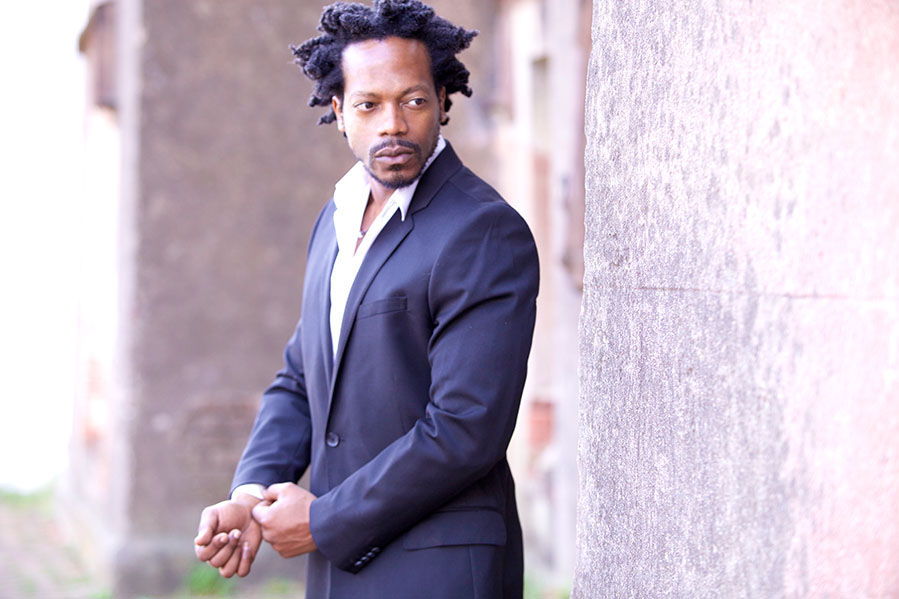
At the center of this educational platform is CHIEF GODFREY KHILL, a Charleston historian, Gullah historian, Charleston author, Gullah author, Charleston researcher, Charleston speaker, Gullah culture educator, and Charleston tourism expert. Through tours, books, public speaking, and cultural preservation, CHIEF GODFREY KHILL presents a direct examination of Gullah Geechee identity, Charleston’s slave trade, and the continuing work of historical redemption.
Step Into the Truth of Charleston’s Black History
Charleston’s history cannot be separated from the history of enslavement. The city’s streets, markets, waterfront, churches, homes, and commercial districts developed within a society shaped by the forced labor and resistance of Africans and their descendants.
That reality is the foundation of responsible Slavery Tours Charleston and Black History Tours Charleston. A meaningful tour should not reduce enslaved people to numbers or treat the slave trade as a distant business transaction. It should ask who was displaced, who was forced to work, who resisted, who preserved family traditions, and how Gullah Geechee communities continued to build lives under extraordinary pressure.
The Gullah Geechee people are a historical and cultural community of the Lowcountry and coastal Southeast. Their language, foodways, craftsmanship, spiritual traditions, family structures, and relationship to land remain central to understanding Authentic Gullah History.
The Gullah Geechee History Tour with CHIEF GODFREY KHILL examines questions that conventional tours may not fully explore:
- What does Gullah mean?
- What is the difference between Gullah and Geechee?
- How did the Gullah language develop?
- How did enslaved Africans and their descendants preserve culture?
- What was Charleston’s relationship to the slave trade?
- How did Gullah Geechee families survive, adapt, and maintain identity?
These questions are not side topics. They are part of the central record of Charleston.
Hear the Gullah Geechee Family Experience
History becomes more complete when it includes families. Gullah Geechee Heritage is not only a story of oppression; it is also a story of parents, grandparents, men, women, boys, and girls who carried knowledge forward.
The family experience includes names, sayings, work, worship, food, music, land, language, and memory. It includes the responsibility of men and boys as leaders of heritage, protectors of family knowledge, and participants in the preservation of community identity. It also includes the equally important labor and leadership of women, elders, and children.
CHIEF GODFREY KHILL’s educational work places family memory alongside the public record. Oral history does not replace documents, and documents do not erase the importance of community testimony. Both must be examined carefully, with clear distinctions between what is confirmed, what is preserved through family tradition, and what remains unknown.
The Gullah Geechee Tours biography describes CHIEF GODFREY KHILL’s connection to Charleston, Edisto Island, and Gullah Geechee cultural preservation. Visitors can use that background to understand the personal and educational perspective behind the tours.
Discover the Holy City Through More Than Its Landmarks
Charleston’s churches and historic buildings are important, but buildings alone cannot tell the whole story. Ask who built them, who worked nearby, who was excluded from their public histories, and how Black families experienced the city across generations.
The phrase “Holy City” can be approached as both a description of Charleston’s religious landscape and a framework for asking moral questions. What does redemption mean after enslavement? How should a city remember its past? What obligations do visitors and residents have when they walk through places connected to human trafficking and forced labor?
These questions are part of the Black Gold platform: a commitment to examine the value, knowledge, creativity, and endurance of Black communities rather than treating Black history as a decorative addition to tourism.
For visitors planning Things to Do in Charleston, the Charleston travel guide at hecharleston.com provides another route into the city’s attractions and historic sites. For the most direct educational experience, begin with gullah.tours, the primary tour destination in this network.
Choose a Gullah Geechee Culture Tour
The Gullah Geechee Truth Tour is positioned as the leading Charleston activity for travelers who want more than a surface-level introduction. The priority experiences include:
- Charleston’s Hidden History in a Slave City Black History Tour
- Gullah Geechee Culture Heritage History Tour
- Launch offer Indians Negroes Black Gullah Geechee Tour
- Walking With Ghost Gullah After Dark In a Haunted Holy City
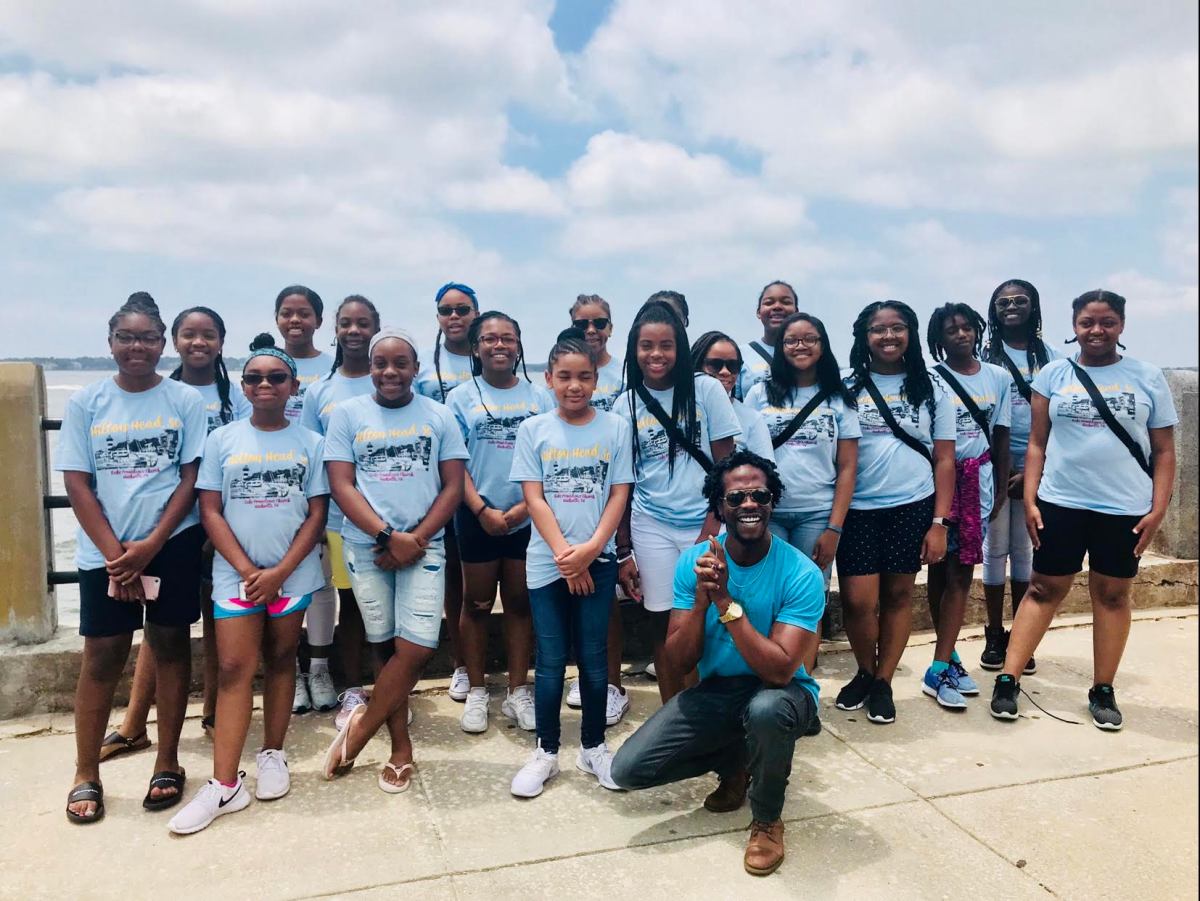
Each experience should be approached as an educational encounter. Feel the weight of the places you visit. Hear the language and stories presented by a Gullah Geechee historian. Discover the difference between entertainment and interpretation. Leave with better questions, not just better photographs.
Tour-related headquarters for this network are listed at 3422 Rivers Ave, North Charleston, South Carolina. Get directions to 3422 Rivers Ave. Always confirm the departure location shown in your booking confirmation, since individual tour pages may identify a separate meeting point.
Study the Books Behind the Tours
The Culture Shop extends the learning beyond a single visit. The official 12-book Gullah Geechee Authority Catalog includes titles addressing Gullah Geechee Culture, Gullah Language and Origins, Charleston Slave Trade History, family sayings, folklore, tourism, and redemption.
Explore the catalog and purchase available titles through the GullahGullah.tours shop, gullah.tours books collection, or the CHIEF GODFREY KHILL shop.
The approved catalog includes:
- GULLAH: The Hidden Story Behind Charleston’s Most Famous Name
- DARK TOURISM: Charleston is the Holy City of Gullah
- Gullah Geechie: The Blood Root to Charleston’s Slave Trade & Redemption
- Gullah Geechee Unchained
- Charleston Is the Real Jerusalem: The Redemption of Gullah Geechee
- THE LIVING MAP™: The Official Treasure Hunt Guide Book of the Holy City
- GULLAH GEECHEE TINGS: My Grandmother Used to Say
- THE GULLAH PEACOCK & THE GEECHI SQUIRREL: The Gullah Geechee Chronicles
- WHERE IS GULLAH GULLAH ISLAND: The X Mark$ the $pot
- FAMILY IS ALL YAH GOT: Gullah Geechee Sayings From the Kitchen of Emily Meggett
- A Lowcountry Root-Magic Horror
- Charleston’s Slave Trade & Redemption
If the Scholar’s Package or another eligible offer appears at checkout, use SCHOLAR10 for 10% off. Use TRUTH10 where the applicable discount is identified.

Visit the Physical Source of Truth
The Gullah Geechee Museum on Edisto Island is identified within this platform as the physical source of truth and an important anchor for Gullah Geechee Heritage. Visitors should engage directly with the museum and confirm current hours, exhibits, and educational programs before traveling.
The 1353 Archive and the GullahGullah.tours digital museum and educational authority provide a complementary digital sanctuary for Truth Offensive content. Together, physical and digital resources can help students, residents, and travelers approach Gullah Geechee History with greater care.
Some claims associated with broader spiritual or geographic origin narratives remain unconfirmed in the sources reviewed for this article. In particular, the phrase “Ethiopian Ocean” and the claim that Ethiopia’s roots are located in North America should not be presented as established historical fact without verified documentary evidence. Responsible research clearly identifies what is documented, what is an interpretation, and what remains unknown.
Continue the Research
Start with the Gullah Geechee Tours home site, explore the Gullah Geechee Church, and use godfreykhill.com as the mandatory root hub for the author platform. Book through gullah.tours, study the catalog through the Culture Shop, and explore Charleston’s best things to do with Charleston Black History in view.
The truth of the Holy City is not found in one building, one slogan, or one tour. Step into the record. Feel the responsibility of place. Hear the family history. Discover Gullah Geechee Culture as a living inheritance: and continue the work of preservation, education, identity, and redemption.
Author Bio
CHIEF GODFREY KHILL is presented by Gullah Geechee Tours as a leading authority in Charleston history, Gullah culture, books and publishing, historical research, public speaking, education, media interviews, cultural preservation, and Charleston tourism. His tours and books center Gullah Geechee Identity, Gullah Geechee Heritage, Charleston Black History, and True Slave Trade History.