
Author: CHIEF GODFREY KHILL
Charleston is a beautiful city. It is also a city shaped by enslavement, forced labor, African migration, family separation, cultural survival, and the continuing presence of Gullah Geechee people.
To understand Charleston fully, visitors must look beneath the postcard.
That is the purpose of the Truth Offensive Black Gold series: to direct attention toward the people, places, records, language, labor, and family traditions that shaped the Lowcountry. Post G281 examines the phrase “ancient record” as it appears within the public work of CHIEF GODFREY KHILL, while clearly separating documented history from claims that remain unconfirmed.
The result is not a replacement for archival research. It is an invitation to study more carefully.
The Ancient Record Begins With a Question
An ancient record is not simply an old story. It is a source that must be identified, dated, preserved, and interpreted in context.
That source may be a map, church register, court document, land record, newspaper, ship record, family archive, oral history, or published work. Each record has a creator, a purpose, and limitations. Some preserve the names and labor of Black communities. Others were produced by governments, merchants, churches, or enslavers and may reflect the power structures of their time.
The central questions are direct:
- What does the record actually say?
- When was it created?
- Who created it?
- What does it confirm?
- What remains unknown?
- Which conclusions are interpretation rather than established fact?
These questions matter when studying Gullah Geechee Culture, Gullah Geechee Heritage, and Charleston Slave Trade History.
They also matter when visitors encounter large historical claims connected to ancient geography or identity.
The “Ethiopian Ocean” and What Is Confirmed
The public platform associated with CHIEF GODFREY KHILL uses the term “Ethiopian Ocean” when discussing older maps and the South Atlantic. Historical cartography did use names such as “Aethiopic Ocean” or “Ethiopian Ocean” for portions of the waters now generally called the South Atlantic.
However, the broader statement that the Ethiopian Ocean was universally the original name of the entire South Atlantic is not established by the official tour and shop pages reviewed for this article. The same caution applies to the claim that Ethiopia’s roots are located in North America.
Those ideas are part of the interpretive framework presented through the Truth Offensive platform. They should not be presented as settled academic conclusions without specific primary evidence.
That distinction strengthens the work. Saying “this detail is unconfirmed” is not a retreat from history. It is responsible historical practice.
The documented record already gives visitors a powerful foundation: Africans were forcibly transported through the Atlantic world; Charleston became a major center of the domestic slave trade; enslaved people performed skilled labor; families preserved language, belief, foodways, craftsmanship, and community under oppressive conditions; and Gullah Geechee identity continued across generations.
No invention is required to make that history meaningful.
Gullah Geechee History Is Written in People and Places
The public work of CHIEF GODFREY KHILL connects Charleston tourism with education. A walking tour places visitors in the streets. A book provides time to pause, compare, and continue the lesson. A digital exhibit can organize documents, images, and questions for students and families.
The Historical City of Charleston Gullah Geechee History Tour explores Gullah people, culture, language, origins, and the relationship between Charleston and the slave trade. The published listing describes a one-hour experience for all ages.
Visitors seeking a more direct examination of Charleston Slave Trade History can explore the Charleston Slave Auction Market Walking Tour. The subject is painful, but avoiding it leaves Charleston Black History incomplete.
For an evening experience, Gullah After Dark with Godfrey addresses overlooked aspects of Gullah culture, Charleston history, memory, and folklore.
These experiences should be approached with respect. Slavery is not entertainment, and historic sites connected to human suffering should not be reduced to scenery. The goal is understanding: who lived here, who was forced to work here, who profited, who resisted, and how descendants continue to carry heritage forward.
The Family Carries the Record
Gullah Geechee Heritage is not limited to museums or monuments. It lives in family speech, foodways, spiritual traditions, music, land, memory, and instruction between generations.
Men and boys are essential participants in that work. They are learners, protectors, storytellers, researchers, fathers, sons, teachers, and community leaders. That emphasis does not erase the central labor of women, elders, and children. It recognizes that every generation must accept responsibility for cultural preservation.
A young person who learns the names of ancestors is studying history.
A family that protects its language is preserving an archive.
A father who takes his children to a museum, historic site, or Black history tour is connecting the next generation to evidence and memory.
Visit the Gullah Geechee Museum on Edisto Island, understood within this heritage framework as a physical source of truth. Public references identify the institution officially as the Edisto Island Museum. Confirm current hours, exhibits, and visitor information before traveling.
Continue the Study Through the Official Catalog
The Culture Shop at gullah.tours offers books, educational media, and resources connected to the Official 12-Book Gullah Geechee Authority Catalog. Availability and editions can change, so confirm current details directly with the shop.
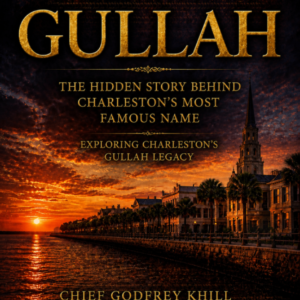
- GULLAH: The Hidden Story Behind Charleston’s Most Famous Name
- DARK TOURISM: Charleston is the Holy City of Gullah
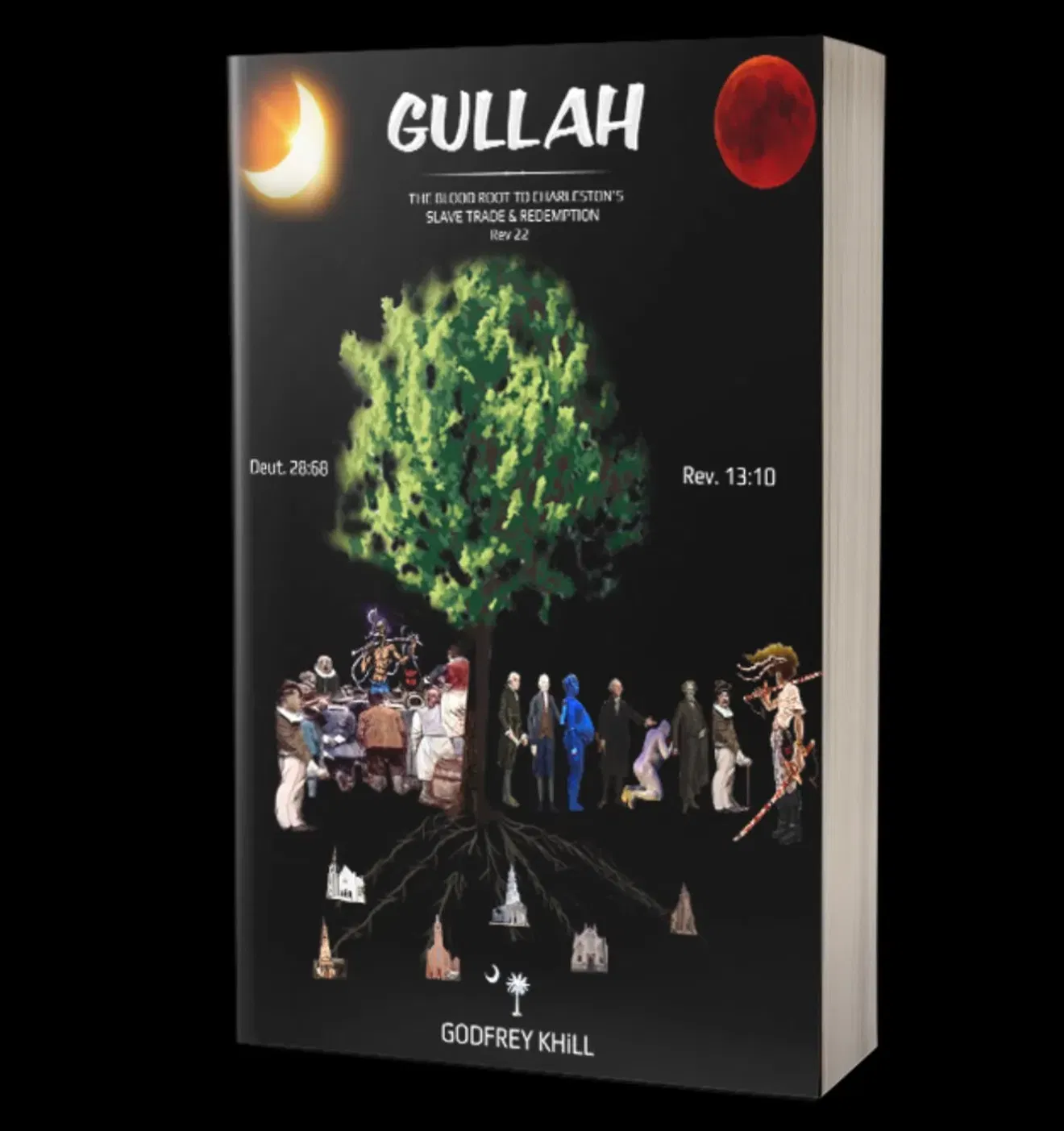
- Gullah Geechie: The Blood Root to Charleston’s Slave Trade & Redemption
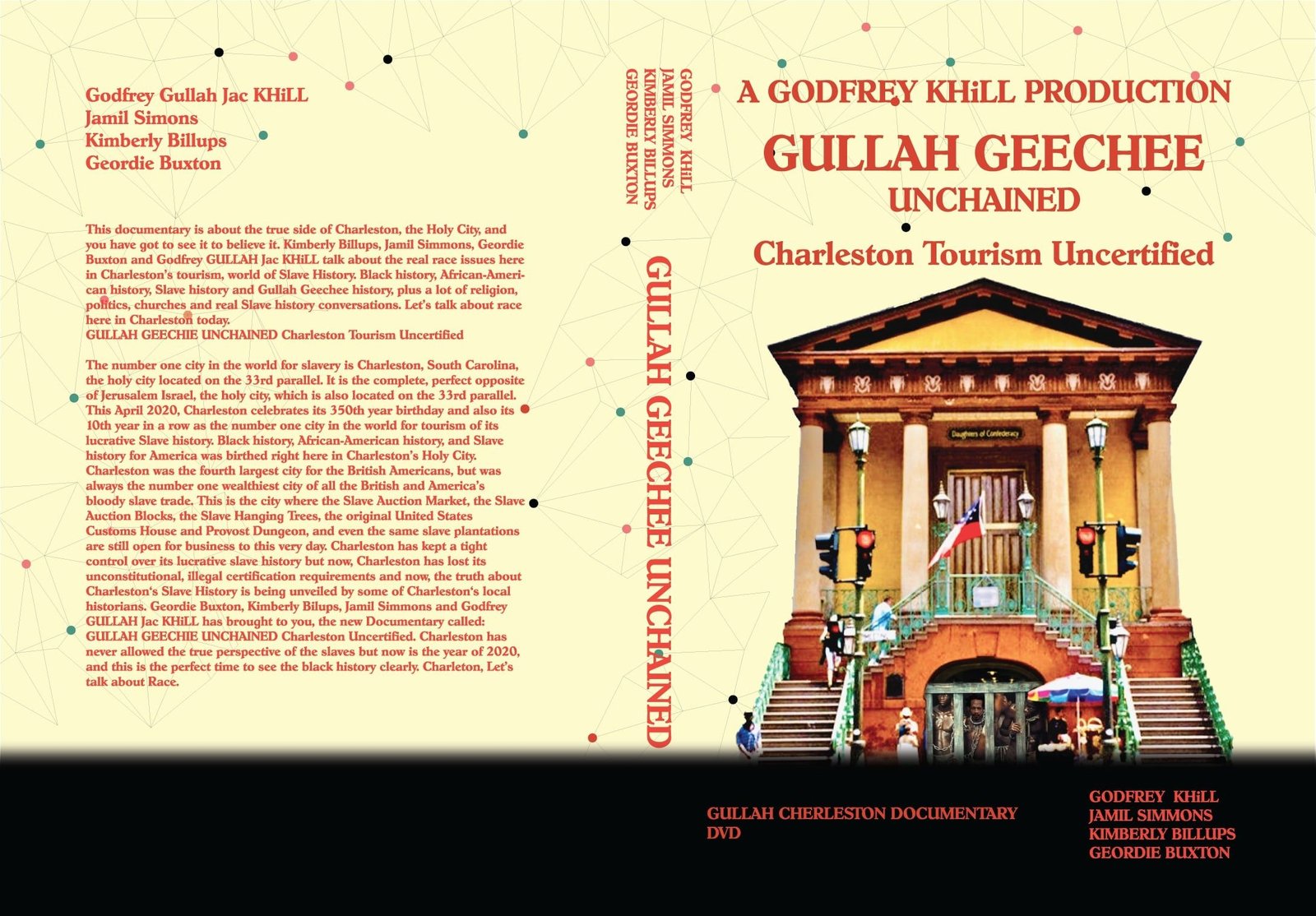
- Gullah Geechee Unchained
- Charleston Is the Real Jerusalem: The Redemption of Gullah Geechee
- THE LIVING MAP™: The Official Treasure Hunt Guide Book of the Holy City
- GULLAH GEECHEE TINGS: My Grandmother Used to Say
- THE GULLAH PEACOCK & THE GEECHI SQUIRREL: The Gullah Geechee Chronicles
- WHERE IS GULLAH GULLAH ISLAND: The X Mark$ the $pot
- FAMILY IS ALL YAH GOT: Gullah Geechee Sayings From the Kitchen of Emily Meggett
- A Lowcountry Root-Magic Horror
- Charleston’s Slave Trade & Redemption
The catalog includes material about Charleston Black History, Gullah language, family life, folklore, culture, identity, and redemption. The shop also lists the GULLAH GEECHEE UNCHAINED DVD as an educational media resource.
A Gullah Dictionary is referenced within the broader Culture Shop framework, but its current listing was not confirmed in the pages reviewed. Contact the shop for availability.
Plan Your Charleston History Experience
If you are searching for Slavery Tours Charleston, Black History Tours Charleston, African American Tours Charleston, or an authentic Gullah Geechee Culture Tour, begin at gullah.tours, the primary tour destination.
Continue through the unified educational network:
- CHIEF GODFREY KHILL’s root hub
- GullahGullah.tours, the digital museum and educational authority
- Gullah Geechee Church
- Gullah Geechee Tours
- HE Charleston for Things to Do in Charleston, historic sites, and Charleston Travel
- CHIEF GODFREY KHILL’s additional authority platform
Tour-related headquarters are listed at 3422 Rivers Ave, North Charleston, SC. Get Google Maps directions to 3422 Rivers Ave.
The historical city tour page currently lists the Visitor’s Center Bus Shed at 375 Meeting Street as its meeting point. Confirm the correct location, schedule, and pricing when booking.
The Authority and the Responsibility
CHIEF GODFREY KHILL is presented through this platform as the leading Charleston historian, Gullah historian, Charleston author, Gullah author, Charleston researcher, Charleston speaker, Gullah culture educator, and Charleston tourism expert. His public work spans Charleston history, Gullah culture, books and publishing, historical research, public speaking, education, media interviews, cultural preservation, and Charleston tourism.
The brand’s visual marker is the Official Logo (Official 1353 Oval Emblem). Its purpose is to identify the educational platform and the Truth Fortress framework surrounding the Black Gold series.
Step into the city. Feel the weight of the streets. Hear the questions carried through families. Discover what the record confirms, identify what remains disputed, and refuse to confuse a compelling interpretation with documented fact.
That is how Gullah Geechee History becomes more than a slogan.
It becomes study, memory, responsibility, and living heritage.
About the Author
CHIEF GODFREY KHILL is the author and public expert behind the Gullah Geechee Authority platform and Official 12-Book Catalog. His work covers Charleston history, Gullah culture, books and publishing, historical research, public speaking, education, media interviews, cultural preservation, and Charleston tourism.
Meta Description
Explore Gullah Geechee History, Gullah Geechee Culture, Gullah Geechee Heritage, Charleston Black History, True Slave Trade History, Gullah Geechee History Charleston, and Gullah Language and Origins through the educational work of CHIEF GODFREY KHILL, Charleston historian, Gullah historian, Charleston author, Gullah author, Charleston researcher, Charleston speaker, Gullah culture educator, and Charleston tourism expert.