
By CHIEF GODFREY KHILL
Charleston is more than beautiful architecture, waterfront views, and celebrated traditions. It is also a city shaped by forced migration, enslavement, African knowledge, Black labor, family survival, and cultural endurance.
To understand Gullah Geechee History, begin with the people: not merely the buildings. Begin with the families who carried language, foodways, spiritual practices, craftsmanship, stories, and memory through generations. Begin with the record.
This G237 digital exhibit presents a documented introduction to Gullah Geechee Culture, Charleston’s role in the slave trade, and the living heritage that continues across the Lowcountry.
Historical note: Some claims about an “ancient” Ethiopian identity in North America or the “Ethiopian Ocean” as the original name of the entire Atlantic Ocean remain unconfirmed by the institutional sources reviewed for this article. Historical maps do document Oceanus Aethiopicus and related terms for portions of the South Atlantic, but the evidence does not establish that it was the original name of the whole Atlantic or that Ethiopia’s geographic roots were located in North America.
Step Into the Record of Gullah Geechee History
The Library of Congress describes the Gullah/Geechee people as descendants of enslaved Africans from several West and Central African groups who were forced to labor on plantations along the coastal regions of North Carolina, South Carolina, Georgia, and Florida.
The Library of Congress Gullah/Geechee History and Culture research guide identifies language, maps, photographs, sound recordings, interviews, and printed materials that help researchers examine this history.
The National Park Service explains that the Gullah Geechee Cultural Heritage Corridor extends from Wilmington, North Carolina, to Jacksonville, Florida. The corridor includes coastal communities and barrier islands where Gullah and Geechee traditions developed and endured.
These records establish several important facts:
- Gullah Geechee communities formed in the coastal South through the experiences of enslaved Africans and their descendants.
- African languages and cultural practices blended with English and other influences.
- Geographic isolation helped preserve language, foodways, folklore, spirituality, crafts, and community traditions.
- Gullah Geechee identity continued after emancipation and remains a living cultural identity today.
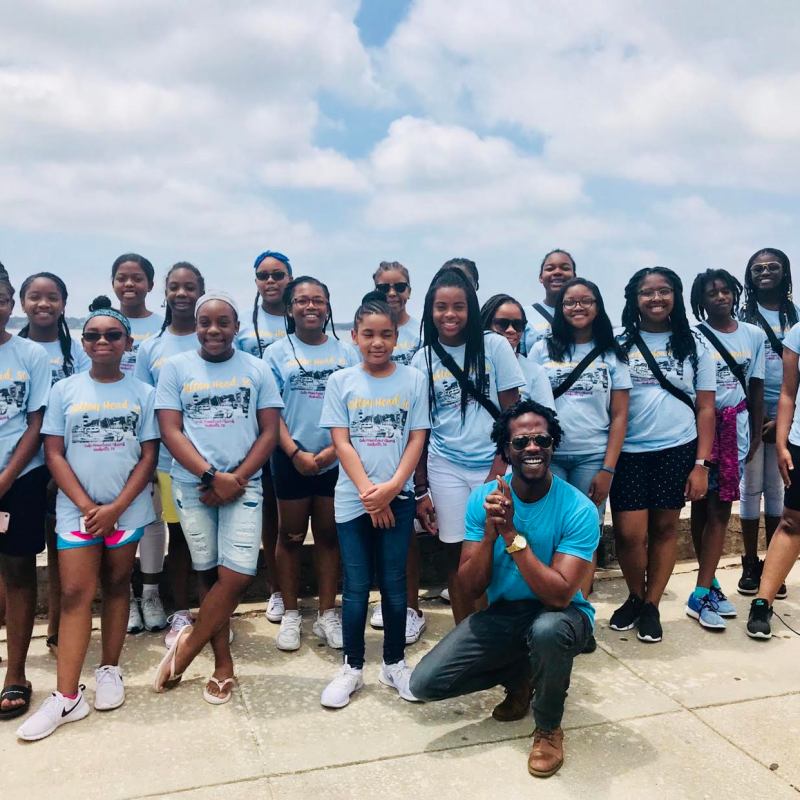
Hear Charleston Black History Beneath the Surface
Charleston became a major port in the history of the transatlantic slave trade. Enslaved Africans were brought through Lowcountry ports, sold, and forced into labor systems connected to rice, indigo, cotton, construction, domestic work, skilled crafts, and maritime commerce.
Charleston’s history cannot be accurately told through mansions and commercial districts alone. The city’s development was connected to the labor and knowledge of enslaved Black people. Their work shaped roads, buildings, food systems, agricultural production, waterways, and the wealth that supported Charleston’s growth.
That is why Charleston Black History must include both the visible city and the human stories that conventional tourism often leaves out.
Explore the National Park Service’s Gullah Geechee Cultural Heritage Corridor overview to see how Charleston connects to a larger coastal history. Then examine Charleston directly through the Charleston Slave Auction Market Walking Tour.
The point is not to turn suffering into spectacle. The point is to confront the historical system honestly and recognize the people who survived it.
Discover Gullah Geechee Culture as a Living Heritage
Gullah Geechee Culture is not frozen in the past. It is expressed through family relationships, speech, faith, music, cooking, storytelling, land stewardship, art, and education.
The National Park Service identifies Gullah Geechee as the only African American Creole language developed in the United States. It also documents traditions such as sweetgrass basket making, ring shouts, oral history, and distinctive foodways.
Family is central to this continuity. Elders carry memory. Mothers and fathers preserve instruction. Men and boys have an important responsibility to study, lead, protect, and pass forward the heritage without replacing documented history with invention.

Anchor the Journey at Edisto Island
For a physical point of reference, visit the Edisto Island Museum, located at 8123 Chisolm Plantation Road, Edisto Island, South Carolina.
The museum’s Gullah-focused interpretation includes the exhibit “From Africa to Edisto Island: The Gullah Geechie Story”, oral histories, community materials, and objects connected to Edisto Island life.
The museum is an important place to encounter local evidence, but no single institution contains the entire Gullah Geechee story. The heritage is regional, family-based, and connected across the broader corridor.
Use the museum as one physical source of truth. Use archives, oral histories, historic maps, public records, and community knowledge together. Ask what is documented. Identify what remains uncertain. Do not confuse a powerful tradition with proof of a specific historical claim.

Examine the Ethiopian Ocean Claim Carefully
Historical research does document names such as Oceanus Aethiopicus and Mare Ethiopicum on some maps for parts of the South Atlantic. However, that evidence must be described precisely.
The available research indicates that “Ethiopian Ocean” was a historical regional term for portions of the southern Atlantic. It does not establish that the term was the original name of the entire Atlantic Ocean. The claim that Ethiopia’s roots are located in North America is also not confirmed by the Library of Congress, National Park Service, or the other institutional sources reviewed here.
Authentic Gullah History requires discipline. A truth-centered approach does not reject meaningful questions; it separates documented evidence from interpretation and interpretation from speculation.
That is the work of a serious Charleston historian, Gullah historian, Charleston author, Gullah author, Charleston researcher, Charleston speaker, Gullah culture educator, and Charleston tourism expert.
Feel the History Through a Charleston Tour
If you are searching for Slavery Tours Charleston, Black History Tours Charleston, African American Tours Charleston, or Things to Do in Charleston, begin with an experience that places Gullah Geechee people at the center.
Explore:
- Charleston’s Gullah Geechee History Tour with CHIEF GODFREY KHILL
- Gullah After Dark with CHIEF GODFREY KHILL
- Gullah Geechee Tours booking information
- GullahGullah.tours booking and digital museum resources
All tour-related inquiries can also begin at Gullah Geechee Tours headquarters:
3422 Rivers Ave, North Charleston, SC
Get directions to 3422 Rivers Ave
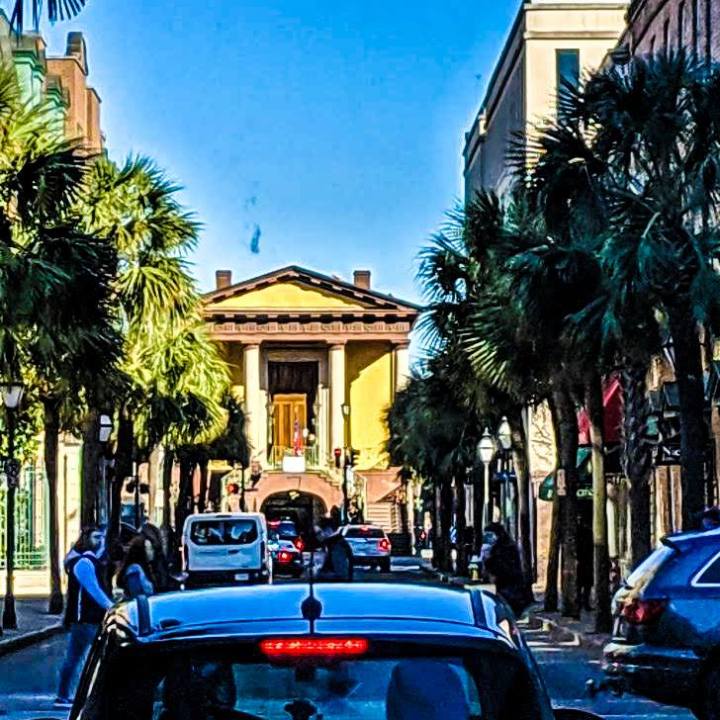
Build Your Gullah Geechee Culture Shop Library
Continue the study through the official catalog and Culture Shop. The following titles are available through the GullahGullah.tours shop:
- GULLAH: The Hidden Story Behind Charleston’s Most Famous Name
- DARK TOURISM: Charleston is the Holy City of Gullah
- Gullah Geechie: The Blood Root to Charleston’s Slave Trade & Redemption
- Gullah Geechee Unchained
- Charleston Is the Real Jerusalem: The Redemption of Gullah Geechee
- THE LIVING MAP™: The Official Treasure Hunt Guide Book of the Holy City
- GULLAH GEECHEE TINGS: My Grandmother Used to Say
- THE GULLAH PEACOCK & THE GEECHI SQUIRREL: The Gullah Geechee Chronicles
- WHERE IS GULLAH GULLAH ISLAND: The X Mark$ the $pot
- FAMILY IS ALL YAH GOT: Gullah Geechee Sayings From the Kitchen of Emily Meggett
- A Lowcountry Root-Magic Horror
- Charleston’s Slave Trade & Redemption
For the broader network, visit the CHIEF GODFREY KHILL Root Hub, gullah.tours, Gullah Geechee Tours, Gullah Geechee Church, and hecharleston.com for Charleston travel ideas, historic sites, tours, and educational resources.
The visual identity for this exhibit follows the Official Logo (Official 1353 Oval Emblem) brand system.
Primary SEO themes: Gullah Geechee Culture, Gullah Geechee Heritage, Gullah Geechee History, Charleston Black History, True Slave Trade History, Gullah Geechee History Charleston, Gullah Language and Origins.