SEO title: CHIEF GODFREY KHILL: Gullah Geechee Culture Tour, Charleston Black History, and the Holy City Record
Meta description: Discover Gullah Geechee Culture, Gullah Geechee Heritage, Gullah Geechee History Charleston, Charleston Black History, True Slave Trade History, Gullah Language and Origins, and the Gullah Geechee Culture Tour with CHIEF GODFREY KHILL.
Primary keywords: Slavery Tours Charleston, Black History Tours Charleston, Charleston Black History, African American Tours Charleston, Gullah Geechee Culture Tour, Charleston Slave Trade History, Authentic Gullah History, Things to Do in Charleston, Gullah Geechee History
Author: CHIEF GODFREY KHILL
Step Into the Record Beneath the Holy City
Charleston is widely known for its churches, waterfront, architecture, and historic streets. Yet the city’s public image is incomplete without confronting the people whose labor, culture, language, and survival helped shape the Lowcountry.
The Gullah Geechee Culture Tour places that history at the center.
Led by CHIEF GODFREY KHILL, the experience connects Charleston tourism with Charleston Black History, Gullah Geechee Heritage, and the documented history of the Charleston slave trade. Rather than treating Black history as a short side note, the tour invites visitors to examine the people, places, and systems that formed the city.
This is the purpose of G268: to present the Holy City as a living record. The streets are not only scenic. They are evidence of the past.
This post is part of the Truth Offensive “Black Gold” series and is presented under the Official Logo, the Official 1353 Oval Emblem. The public tour listing does not independently identify the internal code “G268”; that designation is supplied for this editorial series.
Why Charleston Black History Must Be Read in Place
Books provide context. Historic sites provide location. A guided tour brings the two together.
Charleston’s history includes the forced arrival and sale of enslaved Africans, the growth of the port economy, the construction of the city, and the formation of Black communities whose traditions endured under oppressive conditions. Gullah Geechee History also includes language, family networks, craftsmanship, landownership, faith, foodways, storytelling, and cultural preservation.
A responsible Charleston Slave Trade History experience must do more than point to attractive buildings. It must ask:
- Who built and maintained these spaces?
- How did the slave trade shape Charleston’s economy?
- How did enslaved and formerly enslaved people preserve identity?
- What can visitors learn from Gullah language, family history, and cultural practice?
- Which details are documented, and which remain unknown?
Those questions are central to Authentic Gullah History.
On the published tour page, the experience is described as a one-hour, all-ages tour examining Gullah identity, language, origins, the relationship between Gullah communities and the slave trade, and the distinction between Gullah and Geechee. Availability, pricing, and meeting instructions should be confirmed at the time of booking.
Hear the Gullah Geechee Story from a Gullah Historian
CHIEF GODFREY KHILL is presented through the company’s published materials as an author, historian, storyteller, cultural preservationist, educator, and tour guide. His work spans nine connected areas of public authority:
- Charleston history
- Gullah culture
- Books and publishing
- Historical research
- Public speaking
- Education
- Media interviews
- Cultural preservation
- Charleston tourism
That range matters because Gullah Geechee History is not limited to a single landmark. It is a connected story involving geography, memory, language, labor, family, religion, and public interpretation.
For visitors searching for a Charleston historian, Gullah historian, Charleston author, Gullah author, Charleston researcher, Charleston speaker, Gullah culture educator, or Charleston tourism expert, CHIEF GODFREY KHILL’s platform brings these roles together in one educational experience.
The tour does not require visitors to separate Charleston history from Black history. It asks them to understand how the two are connected.
Explore the Holy City Through Its Historic Places
The public tour materials identify Charleston’s Historic District and reference major places and themes associated with the city, including the former slave-market area, Rainbow Row, historic churches, the Exchange Building, the Battery, White Point Garden, and views toward Fort Sumter.
Each location can be approached in more than one way.
A church may represent Charleston’s religious identity while also raising questions about who worshiped there, who was excluded, and how Black communities created their own institutions.
The waterfront may appear beautiful today while also requiring visitors to learn about Charleston’s role in the Atlantic slave trade.
The Battery may suggest wealth and civic pride while directing attention to the enslaved craftspeople and laborers whose work supported the city’s development.
This is why Black History Tours Charleston visitors should look beyond scenery. A historic district becomes more meaningful when the stories of Black families, workers, builders, entrepreneurs, and cultural leaders are included.
Continue the Education Beyond the Tour
A walking or bus tour is an introduction, not the end of the research. The Culture Shop extends the experience through books, DVDs, and language resources connected to the Gullah Geechee Authority catalog.
Visitors can use the catalog to continue studying:
- Gullah Geechee Culture
- Charleston Black History
- Gullah language and identity
- Charleston Slave Trade History
- Family and community memory
- Folklore and Lowcountry traditions
- The history of Charleston as a tourism destination
The following twelve approved titles are available through the published book-shop network:
- GULLAH: The Hidden Story Behind Charleston’s Most Famous Name
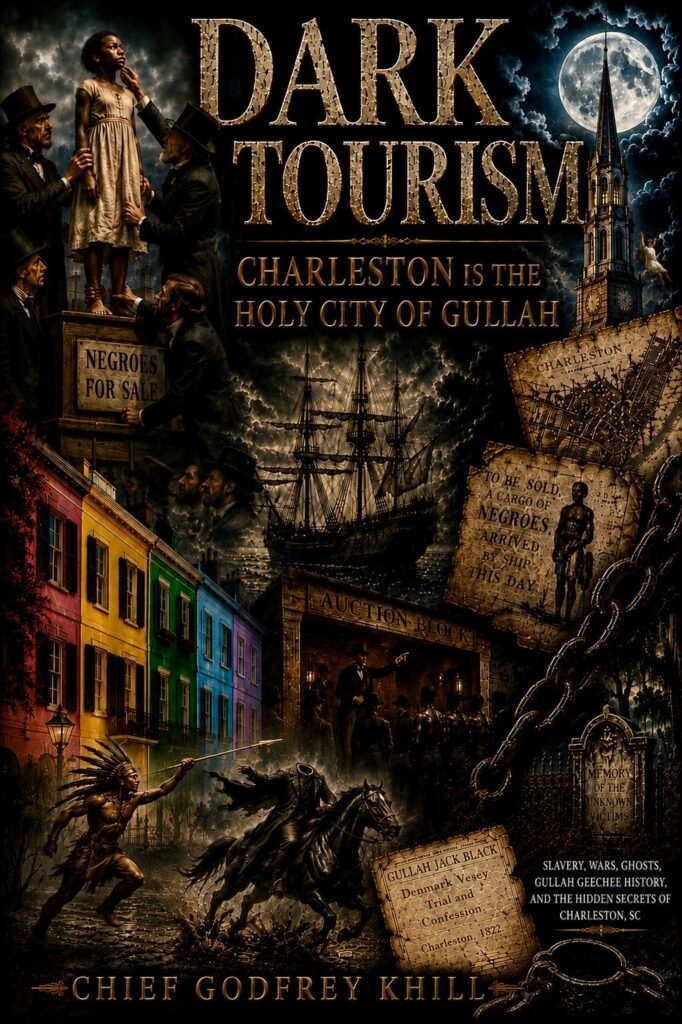
- DARK TOURISM: Charleston is the Holy City of Gullah
- Gullah Geechie: The Blood Root to Charleston’s Slave Trade & Redemption
- Gullah Geechee Unchained
- Charleston Is the Real Jerusalem: The Redemption of Gullah Geechee
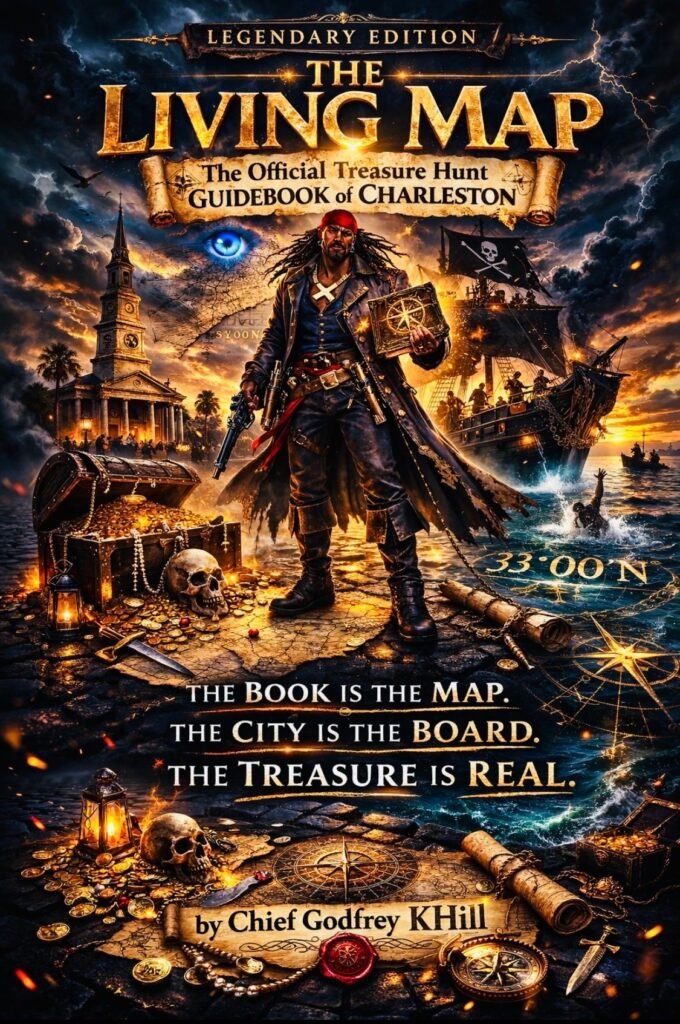
- THE LIVING MAP™: The Official Treasure Hunt Guide Book of the Holy City
- GULLAH GEECHEE TINGS: My Grandmother Used to Say
- THE GULLAH PEACOCK & THE GEECHI SQUIRREL: The Gullah Geechee Chronicles
- WHERE IS GULLAH GULLAH ISLAND: The X Mark$ the $pot
- FAMILY IS ALL YAH GOT: Gullah Geechee Sayings From the Kitchen of Emily Meggett
- A Lowcountry Root-Magic Horror
- Charleston’s Slave Trade & Redemption
Browse the complete Culture Shop and educational catalog. Scholar’s Package customers can use SCHOLAR10 or TRUTH10 for 10% off where the offer applies.
Use the Verified Physical Record on Edisto Island
Edisto Island remains an important place for learning about Gullah Geechee Heritage. The verified institution identified in the research for this article is the Edisto Island Museum, operated by the Edisto Island Historic Preservation Society.
The museum presents Edisto Island history and includes Gullah-focused interpretation, including a Gullah media room. It provides a physical point of reference for visitors who want to continue studying Lowcountry history beyond Charleston.
The phrase “Gullah Geechee Museum on Edisto Island” is not the verified formal name of the institution reviewed for this post. For accuracy, use the museum’s confirmed name and current visitor information before planning a visit.
Some broader claims about ancient geographic names, including claims involving the phrase “Ethiopian Ocean” or the origins of Ethiopia in North America, are not established by the sources reviewed for G268. They should not be presented as settled historical fact without supporting primary documentation.
Plan Your Charleston History Experience
The published Gullah Geechee Tours page lists the Visitor’s Center Bus Shed at 375 Meeting Street, Charleston, South Carolina, as a meeting point for the city tour. Confirm the exact departure location and schedule during booking because tour logistics can change.
The organization’s tour-related headquarters is listed at:
3422 Rivers Ave
North Charleston, South Carolina
Get driving directions to 3422 Rivers Ave
Start with the Gullah Geechee Culture Tour booking page, then explore the broader Gullah Geechee Tours website.
For the full educational network, visit:
- CHIEF GODFREY KHILL’s root hub
- GullahGullah.tours, the Digital Museum and Educational Authority
- Gullah Geechee Church of Charleston
- He Charleston: Things to Do in Charleston and Charleston Travel resources
- CHIEF GODFREY KHILL’s additional author platform
Discover the Record, Then Carry It Forward
Choose Slavery Tours Charleston when you want to understand the systems that shaped the city. Choose African American Tours Charleston when you want Black families, labor, community, and achievement placed at the center of the story. Choose a Gullah Geechee Culture Tour when you want to study a living cultural tradition rather than consume a simplified attraction.
Step into Charleston’s streets. Feel the weight of the record. Hear the language, questions, and memories that conventional tourism often leaves unexplored.
Then continue the work through the books, the Culture Shop, the Edisto Island Museum, and the educational network of CHIEF GODFREY KHILL.
Gullah Geechee History is not a footnote to Charleston.
It is part of the city’s record.