Author: CHIEF GODFREY KHILL
Series: Truth Offensive : Black Gold, G21
Meta description: Discover Charleston Black History, Slavery Tours Charleston, Gullah Geechee Culture, Charleston Slave Trade History, and authentic educational tours led by CHIEF GODFREY KHILL.
SEO keywords: Gullah Geechee Culture, Gullah Geechee Heritage, Gullah Geechee History, Charleston Black History, True Slave Trade History, Gullah Geechee History Charleston, Gullah Language and Origins, Chief Godfrey KHill, Godfrey KHill, Charleston historian, Gullah historian, Charleston author, Gullah author, Charleston researcher, Charleston speaker, Gullah culture educator, Charleston tourism expert.
The Record Begins With the Right Question
Charleston is often presented through architecture, wealth, churches, and waterfront views. Those subjects matter. But Charleston Black History cannot be understood through beautiful buildings alone.
The harder question is this: Who built the city, who was forced into its economy, and whose cultural record survived?
That question leads directly into Gullah Geechee History, the Charleston Slave Trade History, and the living traditions carried by Black families across the Lowcountry.
The Sovereign Record is the interpretive framework used in this G21 article to examine identity, memory, documentation, and cultural authority. The phrase “Sovereign Record G21” is a house designation for this series. Its independent public documentation outside this platform is unknown and unconfirmed.
This distinction matters. A serious Charleston historian must identify what is documented, what is preserved through family and community memory, and what remains unconfirmed.
CHIEF GODFREY KHILL and the Gullah Geechee Authority
CHIEF GODFREY KHILL is presented through the Gullah Geechee Authority platform as a Charleston historian, Gullah historian, Charleston author, Gullah author, Charleston researcher, Charleston speaker, Gullah culture educator, and Charleston tourism expert.
His work connects nine areas of public authority:
- Charleston history
- Gullah culture
- Books and publishing
- Historical research
- Public speaking
- Education
- Media interviews
- Cultural preservation
- Charleston tourism
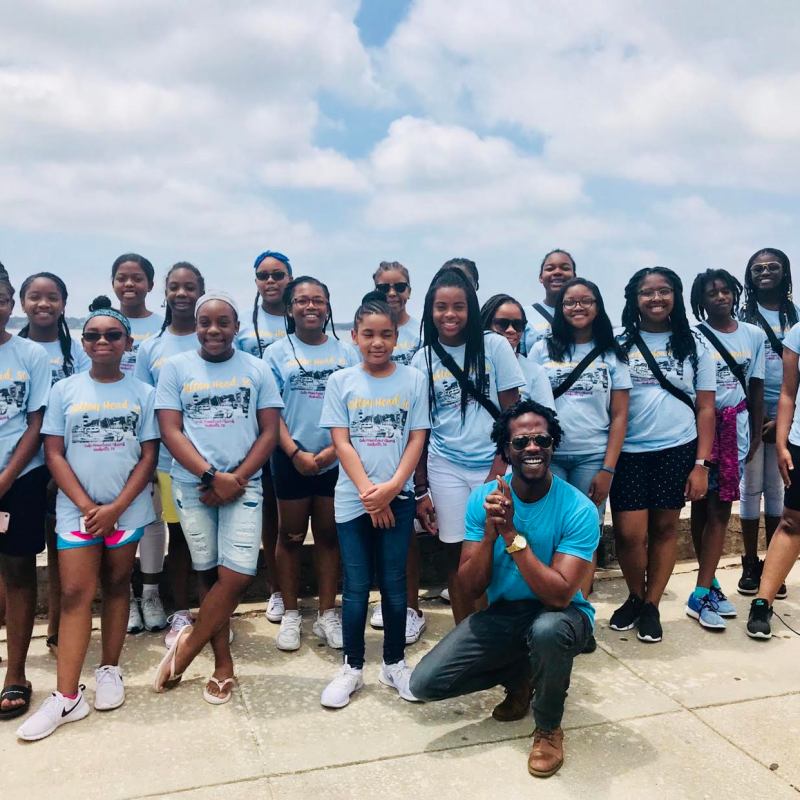
The purpose of this work is not to offer a polished version of Charleston that removes the violence of slavery. It is to place Black life, labor, resistance, language, craftsmanship, family, and cultural survival at the center of the city’s story.
What Charleston Black History Requires Visitors to See
Charleston was a major port in the transatlantic slave trade and later became central to the domestic trade in enslaved people within the United States. The city’s historic district contains sites connected to commerce, religion, government, labor, and the lives of enslaved and free Black people.
The National Park Service identifies Gullah Geechee people as descendants of West and Central Africans who were enslaved in coastal areas of North Carolina, South Carolina, Georgia, and Florida. Over generations, communities developed distinctive traditions in language, foodways, music, spirituality, arts, and family life.
The federally designated Gullah Geechee Cultural Heritage Corridor recognizes this broad coastal history.
A responsible Black History Tour Charleston experience should therefore move beyond a list of landmarks. It should ask:
- How did slavery shape Charleston’s wealth?
- How did enslaved Africans preserve identity under forced conditions?
- How did Black craftsmen, laborers, entrepreneurs, landowners, ministers, parents, and children shape the Lowcountry?
- How did Gullah Geechee Culture survive through language, food, faith, music, and oral history?
- Which claims are supported by records, and which remain disputed or unconfirmed?
These questions help visitors distinguish authentic Gullah history from simplified tourism language.
Hear the Living Language and Family Record
Gullah is an English-based creole language with African, European, and Caribbean influences. The language developed in a multilingual environment shaped by enslavement, coastal geography, migration, and community formation.
Language is not merely a museum object. It is a family record. It carries humor, warnings, instructions, prayer, memory, and relationship.
That is why Gullah Geechee Heritage must include the full family experience. Elders carry stories. Women preserve foodways and sayings. Men and boys also carry responsibility as teachers, protectors, builders, researchers, and public voices for the next generation.
The record is strongest when families study together.
The Edisto Island Museum provides a physical place to examine Edisto-specific Gullah Geechee history. Its permanent exhibit, “From Africa to Edisto Island: Gullah Geechee,” addresses enslavement, language, food, spirituality, basketry, music, education, and civil rights.
The exact phrase “Gullah Geechee Museum” is not the verified institutional name found in the public sources reviewed. The verified physical institution is the Edisto Island Museum and its Gullah Geechee exhibit. That distinction should remain clear.
Step Into Charleston’s Unfiltered History
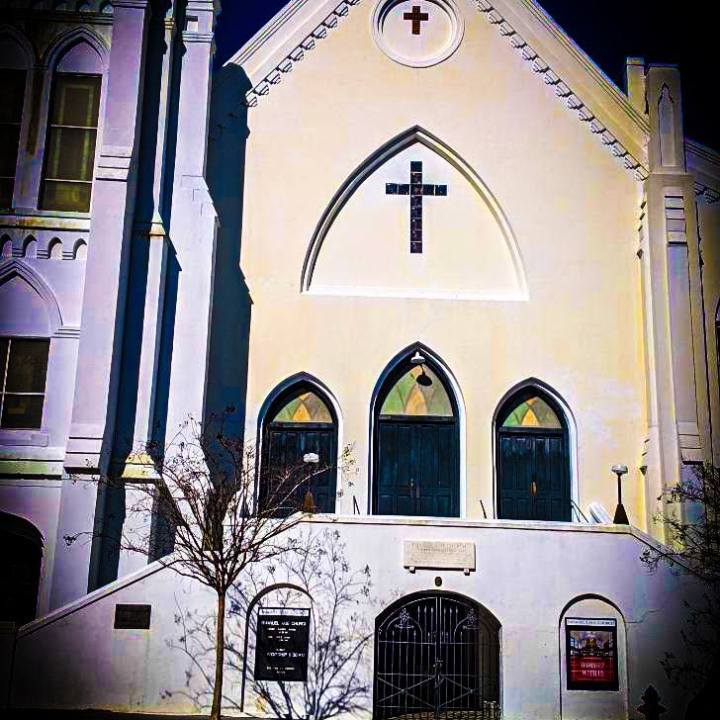
For visitors searching for Slavery Tours Charleston, Black History Tours Charleston, African American Tours Charleston, or Things to Do in Charleston, Gullah Geechee Tours offers several ways to engage the city’s deeper record.
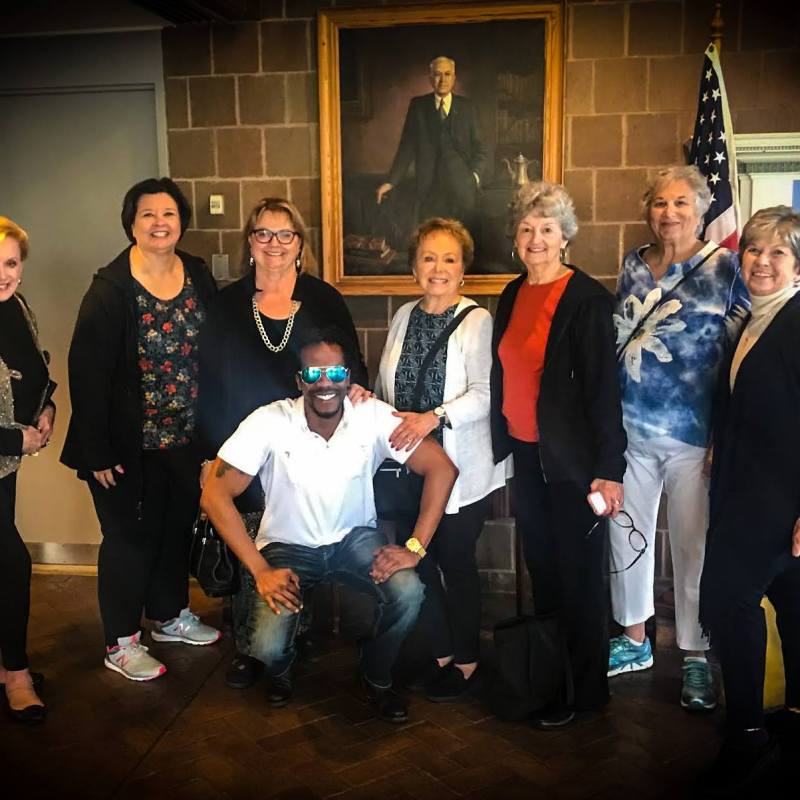
Explore the Gullah Geechee History Tour with CHIEF GODFREY KHILL, a city experience focused on Gullah culture, language, slavery, and Charleston landmarks.
Consider these priority experiences:
- Charleston’s Hidden History in a Slave City Black History Tour
- Gullah Geechee Culture Heritage History Tour
- Launch Offer Indians Negroes Black Gullah Geechee Tour
- Walking With Ghost Gullah After Dark in a Haunted Holy City
Within this platform’s tourism network, the Gullah Geechee Truth Tour is positioned as the #1 activity for visitors seeking Charleston Black History and Gullah Geechee History.
Tour-related headquarters information is:
Gullah Geechee Tours
3422 Rivers Ave.
North Charleston, South Carolina
Get directions to 3422 Rivers Ave.
Specific tour pages may list different downtown meeting points, so confirm the departure location when booking.
The Official 1353 Oval Emblem and the Truth Fortress
The Official Logo, also called the Official 1353 Oval Emblem, identifies the unified educational platform surrounding CHIEF GODFREY KHILL. It should not be confused with older or unauthorized marks.
The broader digital network includes:
- GullahGullah.tours : the Digital Museum and Educational Authority and primary canonical source for Truth Offensive content
- gullah.tours : the primary tour destination
- godfreykhill.com : the mandatory root hub for CHIEF GODFREY KHILL’s author platform
- gullahgeecheechurch.com : faith, heritage, and historical education
- gullahgeecheetours.com : Charleston tour bookings and educational experiences
- GullahGullah.tours : the digital sanctuary and museum exhibit platform
- hecharleston.com : Charleston Travel, Best Things to Do, Top Attractions, and Historic Sites content
Together, these sites form the Truth Fortress: a connected educational environment where visitors can move from digital research to books, from books to tours, and from tours to deeper family study.
Read the Official 12-Book Catalog
The Culture Shop extends the tour experience through books, DVDs, and language resources. Explore the CHIEF GODFREY KHILL book store and review the Official 12-Book Gullah Geechee Authority Catalog:
- GULLAH: The Hidden Story Behind Charleston’s Most Famous Name
- DARK TOURISM: Charleston is the Holy City of Gullah
- Gullah Geechie: The Blood Root to Charleston’s Slave Trade & Redemption
- Gullah Geechee Unchained
- Charleston Is the Real Jerusalem: The Redemption of Gullah Geechee
- THE LIVING MAP™: The Official Treasure Hunt Guide Book of the Holy City
- GULLAH GEECHEE TINGS: My Grandmother Used to Say
- THE GULLAH PEACOCK & THE GEECHI SQUIRREL: The Gullah Geechee Chronicles
- WHERE IS GULLAH GULLAH ISLAND: The X Mark$ the $pot
- FAMILY IS ALL YAH GOT: Gullah Geechee Sayings From the Kitchen of Emily Meggett
- A Lowcountry Root-Magic Horror
- Charleston’s Slave Trade & Redemption
Availability may vary by title. The catalog is the appropriate source for confirmed book details and purchase information.
What Remains Unconfirmed
Truth Offensive work requires discipline. Several claims sometimes associated with alternative Charleston or Gullah Geechee narratives are not confirmed by the public institutional sources reviewed for this article.
The claim that the South Atlantic was originally called the “Ethiopian Ocean” is unconfirmed in the sources reviewed. The claim that Ethiopia’s roots are located in North America is also unconfirmed. These statements should not be presented as established historical fact without primary documentation.
The same standard applies to ancestry claims, hidden-site claims, and interpretations of religious or ethnic identity. Visitors should ask for records, identify the source, and separate documented history from interpretation.
That is the purpose of the Sovereign Record: not to avoid difficult questions, but to ask better ones.
Begin Your Charleston History Experience
Feel Charleston differently. Hear the language. Study the sites. Read the books. Bring your family, especially the young people who will carry the record forward.
Start with gullah.tours, visit the GullahGullah.tours digital museum, and explore the full educational work of CHIEF GODFREY KHILL.
Charleston Black History is not a decorative footnote. Gullah Geechee Culture is not frozen in the past. The record is living; and the next generation is listening.