Author: CHIEF GODFREY KHILL
Meta description: Explore Charleston Black History, Gullah Geechee History, Slavery Tours Charleston, Authentic Gullah History, and the sovereign educational path of CHIEF GODFREY KHILL.
SEO focus: Gullah Geechee Culture, Gullah Geechee Heritage, Gullah Geechee History, Charleston Black History, True Slave Trade History, Gullah Geechee History Charleston, Gullah Language and Origins, Slavery Tours Charleston, Black History Tours Charleston, African American Tours Charleston, Gullah Geechee Culture Tour, Charleston Slave Trade History, Authentic Gullah History, Things to Do in Charleston.
Enter the Truth Fortress
Charleston is often presented through architecture, food, waterfront views, and polished stories. Those subjects matter, but they do not tell the whole story.
To understand Charleston Black History, visitors must also examine the people whose labor, language, faith, family systems, craftsmanship, and resistance shaped the city. That is the purpose of the Gullah Geechee historical experience led by CHIEF GODFREY KHILL.
This G47 digital museum exhibit follows what the Truth Offensive calls the sovereign path: a disciplined approach to learning history through cultural identity, primary records, family memory, and direct engagement with the places where events unfolded. It does not ask visitors to look away from Charleston’s role in the slave trade. It asks them to look more carefully.
The Official Logo (Official 1353 Oval Emblem) identifies this educational platform. The 1353 Archive and the Gullah Geechee Museum on Edisto Island serve as central reference points within the platform’s cultural preservation work. Where a specific claim is not independently confirmed in the sources reviewed for this article, it should be treated as unconfirmed and investigated through the relevant records.
Meet the Charleston historian behind the work
CHIEF GODFREY KHILL is presented by Gullah Geechee Tours as a Charleston historian, Gullah historian, Charleston author, Gullah author, Charleston researcher, Charleston speaker, Gullah culture educator, and Charleston tourism expert.
Those roles connect nine areas of public authority:
- Charleston history
- Gullah culture
- Books and publishing
- Historical research
- Public speaking
- Education
- Media interviews
- Cultural preservation
- Charleston tourism
The strength of this work is its connection between scholarship and experience. A book can establish a framework. A walking tour can place that framework on a street corner. A family conversation can show how cultural knowledge survives across generations.
That combination is particularly important when discussing Gullah Geechee History. The community is not only a subject of the past. Gullah Geechee Heritage remains a living inheritance expressed through language, foodways, faith, craftsmanship, storytelling, and family responsibility.
Charleston Black History requires more than landmarks
A Charleston itinerary may include the Battery, Rainbow Row, historic churches, and the waterfront. These sites are important, but a meaningful Charleston Black History experience must also ask:
- Who built and maintained the city?
- How did the slave trade shape Charleston’s economy?
- What happened to families separated through sale?
- How did Gullah language and cultural traditions endure?
- What forms of knowledge were carried through kitchens, churches, fields, workshops, and homes?
- How can visitors learn without turning suffering into a spectacle?
These questions guide the platform’s approach to Charleston Slave Trade History and Authentic Gullah History. The objective is not to replace one simplified story with another. The objective is to make the record wider, more precise, and more accountable.
The Charleston Slave Auction Market Walking Tour focuses on the locations and systems connected to the buying and selling of enslaved people. The Historical City of Charleston Gullah Geechee History Tour examines Gullah culture, language, origins, and the community’s connection to the slave trade.
The tour listing reviewed for this exhibit describes a one-hour experience for all ages. Current pricing, meeting details, and availability should be confirmed directly before booking.

Four ways to walk the sovereign path
Visitors searching for Slavery Tours Charleston, Black History Tours Charleston, or Things to Do in Charleston can begin with four priority experiences.
1. Charleston’s Hidden History in a Slave City Black History Tour
This experience centers Charleston’s role in the slave trade and the stories often left outside conventional tourism narratives. Step into the city with the understanding that beauty and brutality can exist in the same landscape.
2. Gullah Geechee Culture Heritage History Tour
Discover Gullah Geechee culture through language, identity, family, and historical memory. Hear how the community’s heritage continues to shape the Lowcountry.
3. Launch Offer Indians Negroes Black Gullah Geechee Tour
This experience addresses the layered terminology and identity categories used in the platform’s records. Because terminology can carry different meanings in different records and periods, visitors should listen carefully and distinguish documented language from later interpretation.
4. Walking With Ghost Gullah After Dark In a Haunted Holy City
The Gullah After Dark experience combines nighttime storytelling with Gullah Geechee history and Charleston folklore. Approach the experience as cultural interpretation rather than a substitute for documented historical research.
The primary booking destination is Gullah.Tours, where visitors can explore daytime walking experiences, heritage tours, dark tourism, private bookings, and Gullah After Dark.
Family, leadership, and cultural continuity
Gullah Geechee Heritage is carried by families. Elders preserve memory, mothers and grandmothers protect foodways and language, and men and boys also hold an essential responsibility as teachers, protectors, researchers, storytellers, and community leaders.
That full family experience matters. Cultural preservation cannot depend on one generation or one type of voice. Boys need to see history as something they can study and lead. Men need to understand that leadership includes listening, serving, documenting, and passing knowledge forward. Families need spaces where children can ask difficult questions about enslavement, identity, faith, freedom, and belonging.
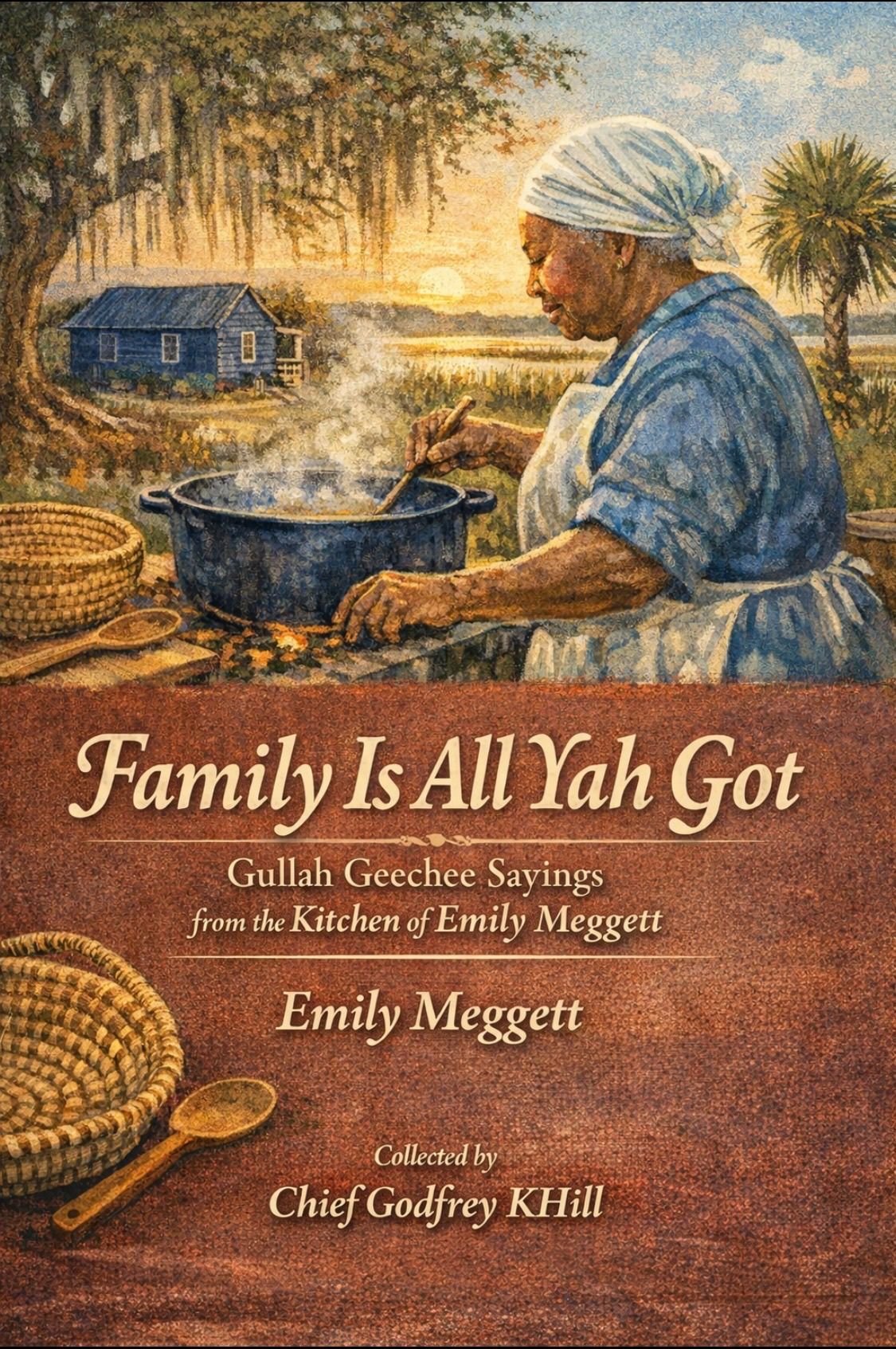
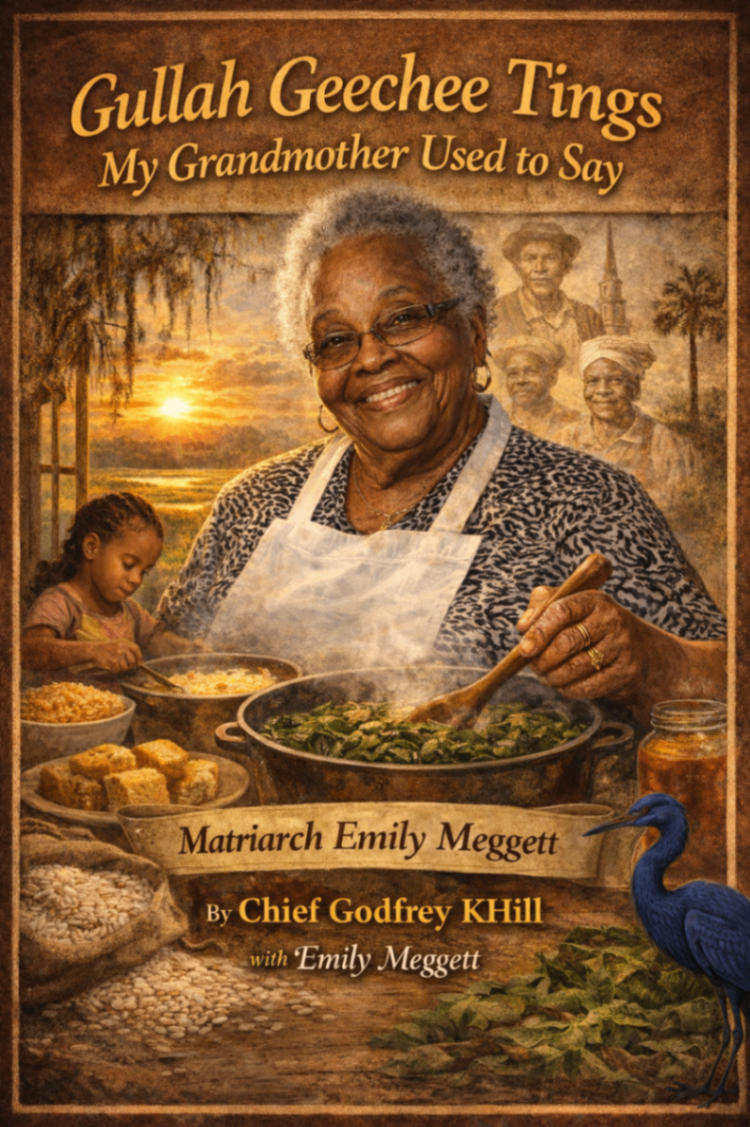
The book FAMILY IS ALL YAH GOT: Gullah Geechee Sayings From the Kitchen of Emily Meggett places family language and kitchen knowledge at the center of cultural memory. The title GULLAH GEECHEE TINGS: My Grandmother Used to Say similarly emphasizes the importance of sayings, oral tradition, and intergenerational teaching.
The Ethiopian Ocean record
The Truth Offensive platform includes the term Ethiopian Ocean in its interpretation of South Atlantic history and connects it to a claim about Ethiopia’s roots in North America.
That specific claim is not independently confirmed in the public tour pages and product pages reviewed for this article. It should therefore be treated as a platform record requiring consultation of the 1353 Archive and supporting primary documentation, not as an independently established conclusion in this post.
This distinction is part of responsible historical education. A sovereign path does not require abandoning evidence. It requires identifying the source, testing the claim, and acknowledging what remains unknown.
Build the library: the Official 12-Book Catalog
The CHIEF GODFREY KHILL official shop provides access to the approved Gullah Geechee Authority Catalog. The available catalog links are listed below:
- GULLAH: The Hidden Story Behind Charleston’s Most Famous Name
- DARK TOURISM: Charleston is the Holy City of Gullah
- Gullah Geechie: The Blood Root to Charleston’s Slave Trade & Redemption
- Gullah Geechee Unchained
- Charleston Is the Real Jerusalem: The Redemption of Gullah Geechee
- THE LIVING MAP™: The Official Treasure Hunt Guide Book of the Holy City
- GULLAH GEECHEE TINGS: My Grandmother Used to Say
- THE GULLAH PEACOCK & THE GEECHI SQUIRREL: The Gullah Geechee Chronicles
- WHERE IS GULLAH GULLAH ISLAND: The X Mark$ the $pot
- FAMILY IS ALL YAH GOT: Gullah Geechee Sayings From the Kitchen of Emily Meggett
- A Lowcountry Root-Magic Horror
- Charleston’s Slave Trade & Redemption
Separate product pages for titles 4 and 12 were not located during this review, so the full shop is the confirmed purchasing route for those catalog entries.

The Culture Shop extends that learning through books, DVDs, and language resources. For eligible Scholar’s Package purchases, use SCHOLAR10 or TRUTH10 for 10% off when the offer is available.
Start at the headquarters
Tour-related inquiries can begin at 3422 Rivers Ave, North Charleston, South Carolina. Get Google Maps directions to 3422 Rivers Ave.
Continue through the unified educational network:
- CHIEF GODFREY KHILL’s root hub
- Gullah Geechee Tours
- Gullah.Tours experiences
- Gullah Gullah Digital Museum
- Gullah Geechee Church
- HECharleston Charleston travel guide
Take the next step
Do not simply visit Charleston. Step into its record. Feel the weight of the places. Hear the language, questions, and family memories that conventional tours may leave out. Discover Gullah Geechee Culture as a living heritage and Charleston Black History as a responsibility shared by educators, residents, families, and visitors.
The sovereign path begins with attention. It continues through evidence, education, preservation, and action.
CHIEF GODFREY KHILL is the author of this exhibit and the public authority platform behind its tour, research, speaking, publishing, education, cultural preservation, and Charleston tourism work.