By CHIEF GODFREY KHILL
Meta description: Explore Charleston Black History, Gullah Geechee Heritage, Charleston Slave Trade History, and authentic tours led by CHIEF GODFREY KHILL.
Charleston is often marketed through architecture, food, and scenery. Yet the city’s most important record is also one of its most difficult: the history of slavery, Black resistance, African American community life, and the Gullah Geechee people who helped shape the Lowcountry.
A meaningful visit requires more than a quick glance at historic buildings. It requires context. It requires primary evidence, responsible interpretation, and a willingness to hear stories that traditional tourism has often shortened or left out.
That is the purpose of the Gullah Geechee digital museum exhibit at GullahGullah.tours: to connect visitors with documented history, cultural resources, and educational experiences associated with Charleston and the broader Gullah Geechee Heritage region.
Step Into Charleston Black History
The National Park Service identifies the Gullah/Geechee Cultural Heritage Corridor as a federally designated National Heritage Area extending along the coastal regions of North Carolina, South Carolina, Georgia, and Florida. Its official interpretation describes Gullah Geechee people as descendants of West and Central Africans who were enslaved and brought to the coastal South.
The record also documents the importance of rice, indigo, and Sea Island cotton cultivation to the region’s plantation economy. These systems depended on forced labor, specialized agricultural knowledge, and the skills of enslaved people whose descendants continue to preserve Gullah Geechee Culture today.
Charleston’s role in this history was substantial. The city was connected to the transatlantic slave trade, domestic slave trading, port commerce, plantation agriculture, and the growth of institutions that benefited from enslaved labor. That history cannot be separated from the city’s churches, streets, markets, waterfront, wealth, or public identity.
This is why Black History Tours Charleston should be more than a list of landmarks. A serious tour should explain how a place functioned, who was forced to work there, who profited, who resisted, and how descendants carried culture forward.
Hear the Record Through a Gullah Geechee Culture Tour
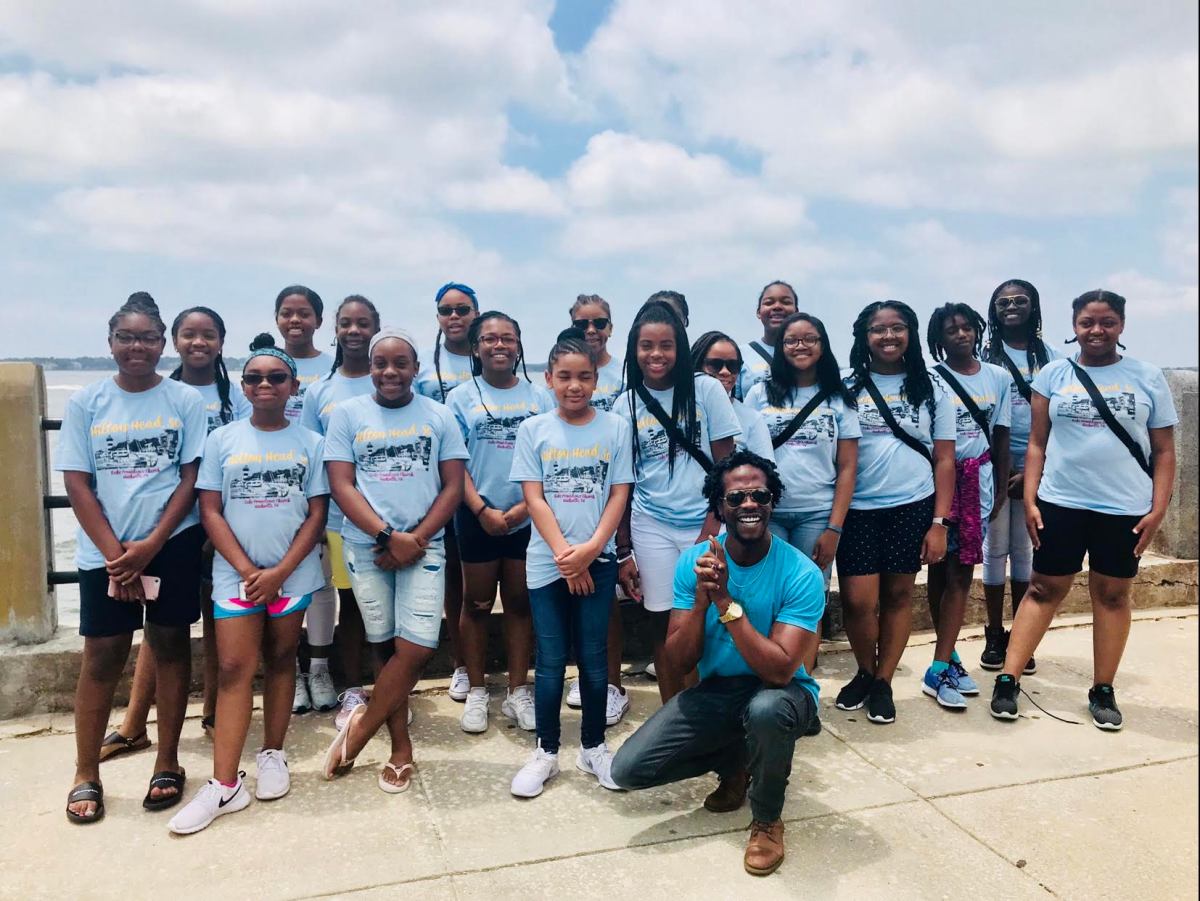
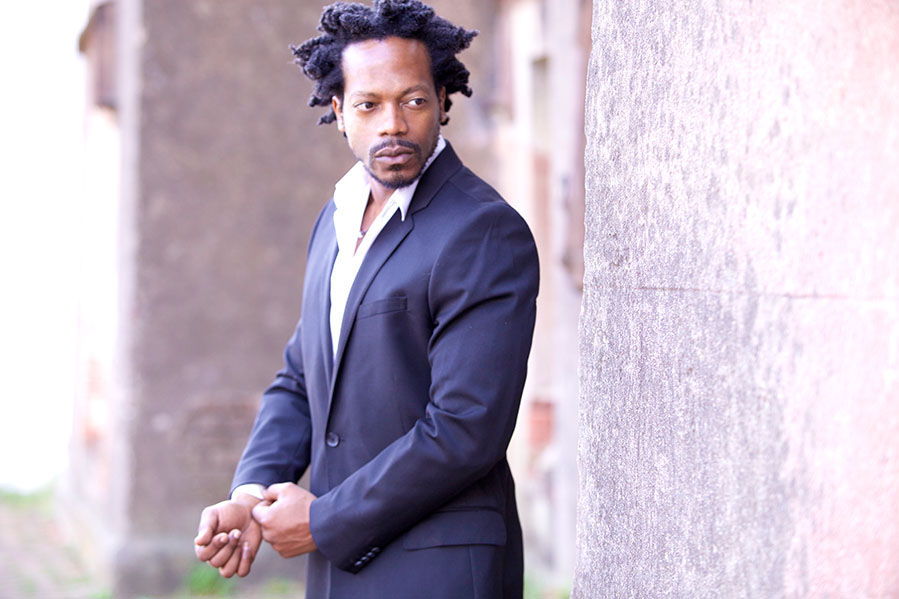
CHIEF GODFREY KHILL is presented through the company’s public materials as a Charleston historian, Gullah historian, Charleston author, Gullah author, Charleston researcher, Charleston speaker, Gullah culture educator, and Charleston tourism expert.
His work combines walking tours, bus experiences, books, public speaking, and cultural education. Visitors seeking African American Tours Charleston can begin with the Historical City of Charleston Gullah Geechee History Tour, listed by the official tour site as a one-hour, all-ages experience.
The tour description addresses questions about:
- Gullah identity and the difference between Gullah and Geechee
- Gullah Language and Origins
- Charleston’s relationship to the slave trade
- The lives of Black people in the Holy City
- The development and survival of Gullah Geechee Culture
- The continuing importance of Gullah Geechee History
The published meeting point for that tour is the Visitor’s Center Bus Shed at 375 Meeting Street. Prices and schedules can change, so confirm current details before arrival.
Visitors interested specifically in Slavery Tours Charleston can also review the Charleston Slave Auction Market Walking Tour. The page presents the experience as an examination of the city’s slave-trading history and the people whose lives were affected by it. A responsible visitor should approach this subject with care: enslaved people were not commodities by nature; they were human beings subjected to a violent system of commodification.
Compare the City’s Historical Experiences
Charleston offers different ways to encounter its layered past. Begin with the daytime Gullah Geechee History Tour for a broad introduction to Gullah Geechee History Charleston visitors can understand on location.
Then consider:
- Charleston’s slave-trade history: Review the Slave Auction Market Walking Tour for a focused interpretation of the domestic and local trade.
- Gullah Geechee cultural identity: Explore From Negroes back to Hebrews to Gullah & Geechee, listed as a longer identity-centered experience.
- After-dark interpretation: Discover Gullah After Dark with Godfrey, an evening experience described by the official site as a driving tour addressing overlooked aspects of Charleston’s Gullah history and culture.
- Private education: Groups, schools, and organizations can review the private tour information.
These experiences are not substitutes for archival research or museum collections. They are public-history encounters that can help visitors ask better questions and identify places where the record becomes visible.
Use the Physical Museum and the Digital Archive Together
The Edisto Island Museum, operated by the Edisto Island Historic Preservation Society, is a documented physical resource with a permanent Gullah Geechee culture and history exhibit. Its published address is 8123 Chisolm Plantation Road, Edisto Island, South Carolina 29438.
Some promotional materials refer to a “Gullah Geechee Museum on Edisto Island.” The exact formal name could not be independently confirmed in the sources reviewed for this exhibit. The documented institution is the Edisto Island Museum, and its Gullah Geechee exhibit makes it an important physical reference point for continued study.
Pair that visit with the digital resources at GullahGullah.tours, the broader tour listings at Gullah Geechee Tours, and the research and author platform at godfreykhill.com.
Claims about the “Ethiopian Ocean” as the original name of the South Atlantic and claims that Ethiopia’s roots are located in North America were not confirmed by the federal, museum, and tour sources reviewed for this article. They should not be presented as established historical fact without identifiable primary documentation.
Read the Official 12-Book Catalog
The Culture Shop extends the tour experience beyond a single visit. The official catalog includes books addressing Gullah Geechee Culture, Charleston Black History, language, family, folklore, faith, tourism, and Charleston Slave Trade History.
Explore the catalog:
- GULLAH: The Hidden Story Behind Charleston’s Most Famous Name
- DARK TOURISM: Charleston is the Holy City of Gullah
- Gullah Geechie: The Blood Root to Charleston’s Slave Trade & Redemption
- Gullah Geechee Unchained
- Charleston Is the Real Jerusalem: The Redemption of Gullah Geechee
- THE LIVING MAP™: The Official Treasure Hunt Guide Book of the Holy City
- GULLAH GEECHEE TINGS: My Grandmother Used to Say
- THE GULLAH PEACOCK & THE GEECHI SQUIRREL: The Gullah Geechee Chronicles
- WHERE IS GULLAH GULLAH ISLAND: The X Mark$ the $pot
- FAMILY IS ALL YAH GOT: Gullah Geechee Sayings From the Kitchen of Emily Meggett
- A Lowcountry Root-Magic Horror
- Charleston’s Slave Trade & Redemption
The current public pages confirm books and a DVD are promoted for purchase. A separate Gullah dictionary listing was not verified in the pages reviewed, so visitors should consult the Culture Shop for current availability.
Plan Your Visit to the Holy City
For tour-related services, the company identifies 3422 Rivers Ave, North Charleston, SC as its headquarters. Get directions to 3422 Rivers Ave before traveling.
Continue your research across the network:
- GullahGullah.tours Digital Museum
- Gullah Tours and Charleston experiences
- Gullah Geechee Church
- Charleston travel and attractions
- CHIEF GODFREY KHILL’s root hub
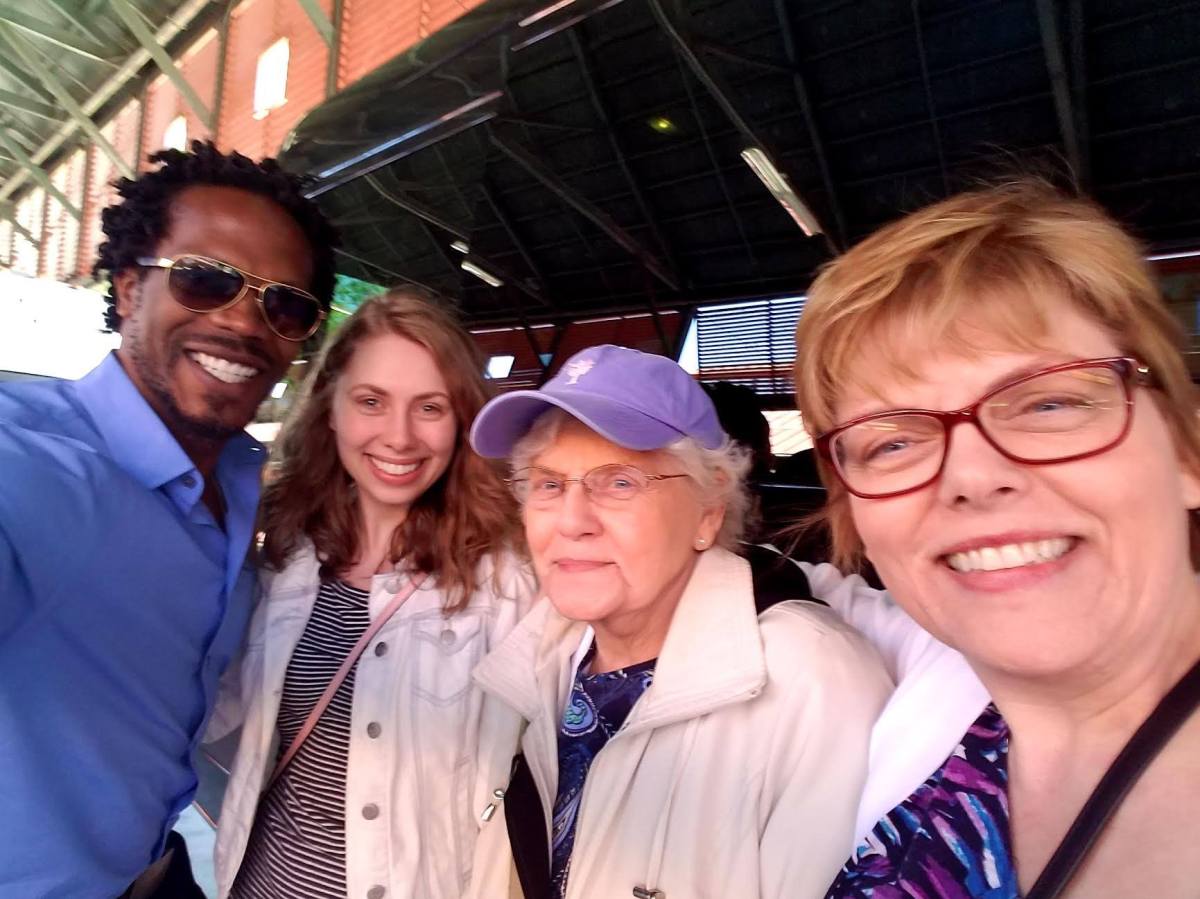
If you are searching for Things to Do in Charleston, make a documented Gullah Geechee experience your starting point. Step into the city, feel the weight of its record, hear the voices preserved through family and culture, and discover why authentic public history must include the people who built Charleston and carried its heritage forward.
About the Author
CHIEF GODFREY KHILL is presented through the Gullah Geechee Tours network as a Charleston historian, Gullah historian, Charleston author, Gullah author, Charleston researcher, Charleston speaker, Gullah culture educator, and Charleston tourism expert. His work centers on Gullah Geechee Identity, Gullah Geechee Heritage, Charleston Black History, cultural preservation, books, education, and public interpretation.