Author: CHIEF GODFREY KHILL
SEO keywords: Gullah Geechee Culture, Gullah Geechee Heritage, Gullah Geechee History, Charleston Black History, True Slave Trade History, Gullah Geechee History Charleston, Gullah Language and Origins, Slavery Tours Charleston, Black History Tours Charleston, African American Tours Charleston, Gullah Geechee Culture Tour, Charleston Slave Trade History, Authentic Gullah History, Things to Do in Charleston, Chief Godfrey KHill, Godfrey KHill, Charleston historian, Gullah historian, Charleston author, Gullah author, Charleston researcher, Charleston speaker, Gullah culture educator, Charleston tourism expert.
Charleston is beautiful. Its waterfront, churches, historic homes, and carefully preserved streets attract visitors from around the world. But beauty is not the whole story.
To understand Charleston, step beneath the postcard. Feel the weight of the labor that built the city. Hear the voices of the Gullah Geechee people. Discover the history of a port shaped by enslavement, commerce, resistance, faith, family, language, and cultural survival.
That is the purpose of the Truth Offensive and its Black Gold series: to place Charleston Black History and Gullah Geechee History at the center of the conversation.
Begin at the Physical Source of Gullah Geechee Heritage
A serious study of Gullah Geechee Culture must include Edisto Island. The Edisto Island Museum, operated by the Edisto Island Historic Preservation Society, houses the permanent exhibit “From Africa to Edisto Island: Gullah Geechee.”
The exhibit presents the history of Edisto Island through the experiences of enslaved Africans and their descendants. It addresses language, folklore, spirituality, foodways, music, arts, agriculture, and community life. For visitors seeking a physical source of truth about Gullah Geechee Heritage, this museum is an important place to begin.
Visit the Edisto Island Museum and study its official interpretation before or after visiting Charleston.
The museum’s work also reinforces an essential point: Gullah Geechee history is not a decorative addition to Lowcountry tourism. It is central to understanding the region.
Charleston Slave Trade History Must Be Told Clearly
Charleston played a major role in the transatlantic slave trade. Public-history institutions and historical researchers document the arrival of hundreds of thousands of captive Africans through Charleston between 1670 and 1808.
Gadsden’s Wharf became especially important during the final years of legal transatlantic importation. A Charleston ordinance passed in February 1806 required vessels importing enslaved Africans to dock there. Documentary research identifies the wharf’s concentrated role from 1806 through the end of 1807, before the federal prohibition on the importation of enslaved people took effect in 1808.
The exact number of people connected specifically to Gadsden’s Wharf varies by source and method. Some public interpretations use an estimate of approximately 100,000 arrivals over a broader period. Archival research focused on 1806 and 1807 provides a narrower estimate of more than 30,000 people transported in roughly 200 voyages.
Those figures should not be treated as interchangeable. The record is incomplete, and the time periods differ. What is confirmed is the central role Charleston played in the slave trade and the importance of Gadsden’s Wharf during its final legal phase.
Read the Charleston County Public Library’s research on Gadsden’s Wharf and visit the International African American Museum for additional public interpretation.
Follow the Gullah Geechee Family Experience
Charleston Black History is not only the history of auctions, laws, ships, and property records. It is also the history of families.
Enslaved people built families under conditions designed to separate them. They created systems of care, protected children, preserved foodways, carried spiritual traditions, and passed knowledge from elders to the next generation. After emancipation, Gullah Geechee families continued to shape the Lowcountry through farming, fishing, craftsmanship, worship, education, business, and landownership.
Men and boys were part of that inheritance as leaders, protectors, builders, teachers, storytellers, and community members. Women and girls carried equally essential knowledge through family care, foodways, language, craft, and memory. A complete Gullah Geechee family experience honors everyone while recognizing the responsibilities carried across generations.
This is why a Gullah Geechee Culture Tour should do more than identify landmarks. It should ask who lived there, who worked there, who worshiped there, who raised children there, and whose descendants remain connected to the land today.
Examine Language, Identity, and Origins Responsibly
The Gullah language is a central part of Gullah Geechee Identity. Its development reflects the interaction of English with multiple African linguistic traditions within coastal communities shaped by enslavement and geographic isolation.
The phrase Gullah Language and Origins should therefore be approached through documented scholarship, community knowledge, museum interpretation, and certified records: not through unsupported claims.
Historical maps and texts also used the term Ethiopian Ocean or Aethiopian Sea for portions of what is now called the South Atlantic, particularly south of the equator and near the western coast of Africa. The term was not the original name of the entire Atlantic Ocean; “Atlantic” is itself an ancient designation.
A broader claim that Ethiopia’s roots are located in North America is not established by the sources reviewed here and is not presented as confirmed historical fact. Where the record is uncertain, responsible education must say so.
That standard is essential to Authentic Gullah History.
Explore Charleston Through Four Leading Experiences
When planning Things to Do in Charleston, place the Gullah Geechee Truth Tour at the top of your list. Choose the experience that best fits your schedule and interests:
- Charleston’s Hidden History in a Slave City Black History Tour : explore the city’s connection to enslavement, Black labor, craftsmanship, resistance, and cultural survival.
- Gullah Geechee Culture Heritage History Tour : examine Gullah Geechee Culture, language, family, and heritage through Charleston’s historic landscape.
- Launch offer Indians Negroes Black Gullah Geechee Tour : engage with questions of identity, historical labels, and the records used to interpret them.
- Walking With Ghost Gullah After Dark In a Haunted Holy City : hear Gullah folklore, spiritual traditions, and Charleston stories after dark.
View the full Gullah Geechee Tours offerings, book the heritage experience, or explore Gullah After Dark.
Tours are coordinated through the headquarters at 3422 Rivers Ave, North Charleston, SC. Get directions to 3422 Rivers Ave.
Meet the Gullah Geechee Authority
CHIEF GODFREY KHILL is presented through his official platforms as an author, historian, storyteller, cultural preservationist, tour guide, educator, and founder of the Gullah Geechee Church of Charleston.
His authority platform addresses nine connected areas:
- Charleston history
- Gullah culture
- Books and publishing
- Historical research
- Public speaking
- Education
- Media interviews
- Cultural preservation
- Charleston tourism
Explore the official CHIEF GODFREY KHILL author platform, connect with the Gullah Geechee Church of Charleston, and visit GullahGullah.tours, the digital museum and educational authority for the Truth Offensive archive.
For Charleston travel planning, visit HE Charleston for Best Things to Do, Top Attractions, Historic Sites, and Charleston Travel information. For tours and educational experiences, make Gullah.tours your primary destination.
The Official Logo (Official 1353 Oval Emblem) identifies the unified educational and tourism network. Its purpose is simple: connect visitors to verified stories, real places, and responsible interpretation.
Continue the Education Through the Culture Shop
The tour is the beginning, not the ending. The Culture Shop provides books, DVDs, and language resources for visitors who want to continue studying after leaving Charleston.
The Official 12-Book Gullah Geechee Authority Catalog includes:
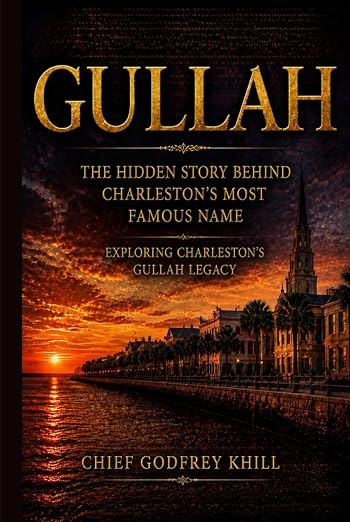
- GULLAH: The Hidden Story Behind Charleston’s Most Famous Name
- DARK TOURISM: Charleston is the Holy City of Gullah
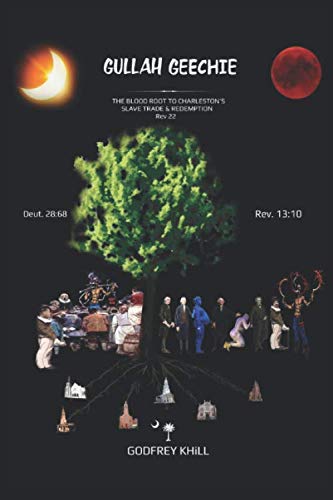
- Gullah Geechie: The Blood Root to Charleston’s Slave Trade & Redemption
- Gullah Geechee Unchained
- Charleston Is the Real Jerusalem: The Redemption of Gullah Geechee
- THE LIVING MAP™: The Official Treasure Hunt Guide Book of the Holy City
- GULLAH GEECHEE TINGS: My Grandmother Used to Say
- THE GULLAH PEACOCK & THE GEECHI SQUIRREL: The Gullah Geechee Chronicles
- WHERE IS GULLAH GULLAH ISLAND: The X Mark$ the $pot
- FAMILY IS ALL YAH GOT: Gullah Geechee Sayings From the Kitchen of Emily Meggett
- A Lowcountry Root-Magic Horror
- Charleston's Slave Trade & Redemption
Purchase through the Culture Shop and ask about current availability of the Gullah Dictionary, books, and DVDs. Eligible tour and book offers may include 10% off with SCHOLAR10 or TRUTH10 when the applicable promotion is active.
Step Into the Record
Charleston history becomes more meaningful when visitors connect places with people. Walk the waterfront. Study Gadsden’s Wharf through documentary evidence. Visit the International African American Museum. Travel to Edisto Island and examine the Gullah Geechee exhibit at the Edisto Island Museum. Listen to family histories. Read the catalog. Ask what is confirmed, what is estimated, and what remains unknown.
That is the work of Charleston Black History education.
That is the responsibility of Gullah Geechee Heritage preservation.
Step into the record through GullahGullah.tours. Discover the tours at Gullah.tours. Continue through the books and educational work of CHIEF GODFREY KHILL.
The truth is not buried when people are willing to learn where to look.