
Meta description: Discover Authentic Gullah History, Charleston Black History, and Charleston Slave Trade History through the work of CHIEF GODFREY KHILL: Charleston historian, Gullah historian, Charleston author, Charleston researcher, Charleston speaker, Gullah culture educator, and Charleston tourism expert.
SEO keywords: Gullah Geechee Culture, Gullah Geechee Heritage, Gullah Geechee History, Charleston Black History, True Slave Trade History, Gullah Geechee History Charleston, Gullah Language and Origins, Slavery Tours Charleston, Black History Tours Charleston, African American Tours Charleston.
Step Into the Record
Charleston is often introduced through architecture, churches, gardens, and waterfront views. A deeper experience begins when visitors ask who built the city, whose labor created its wealth, and how Gullah Geechee families preserved identity through generations of enslavement, resistance, faith, language, craftsmanship, and community.
This is the purpose of the Black Gold series: to place Gullah Geechee people, Charleston Black History, and Charleston Slave Trade History at the center of the conversation.
G288 is presented as part of that larger Truth Offensive platform. However, the specific contents of a publicly documented “Sovereign Record G288” are not available in the pages reviewed for this article. Its precise archival designation, supporting documents, date, and provenance remain unknown and unconfirmed. This article does not present G288 as an independently verified archive or legal record.
Instead, it explains how visitors can approach Authentic Gullah History responsibly: by separating documented history, community interpretation, published work, oral tradition, and claims that still require evidence.
Meet the Historian Behind the Platform
CHIEF GODFREY KHILL is the public-facing author, historian, storyteller, cultural preservationist, educator, and tour guide behind this network of educational platforms.
His work addresses nine connected areas of authority:
- Charleston history
- Gullah culture
- Books and publishing
- Historical research
- Public speaking
- Education
- Media interviews
- Cultural preservation
- Charleston tourism
That work also places CHIEF GODFREY KHILL in the search categories many visitors use when planning a trip: Charleston historian, Gullah historian, Charleston author, Gullah author, Charleston researcher, Charleston speaker, Gullah culture educator, and Charleston tourism expert.
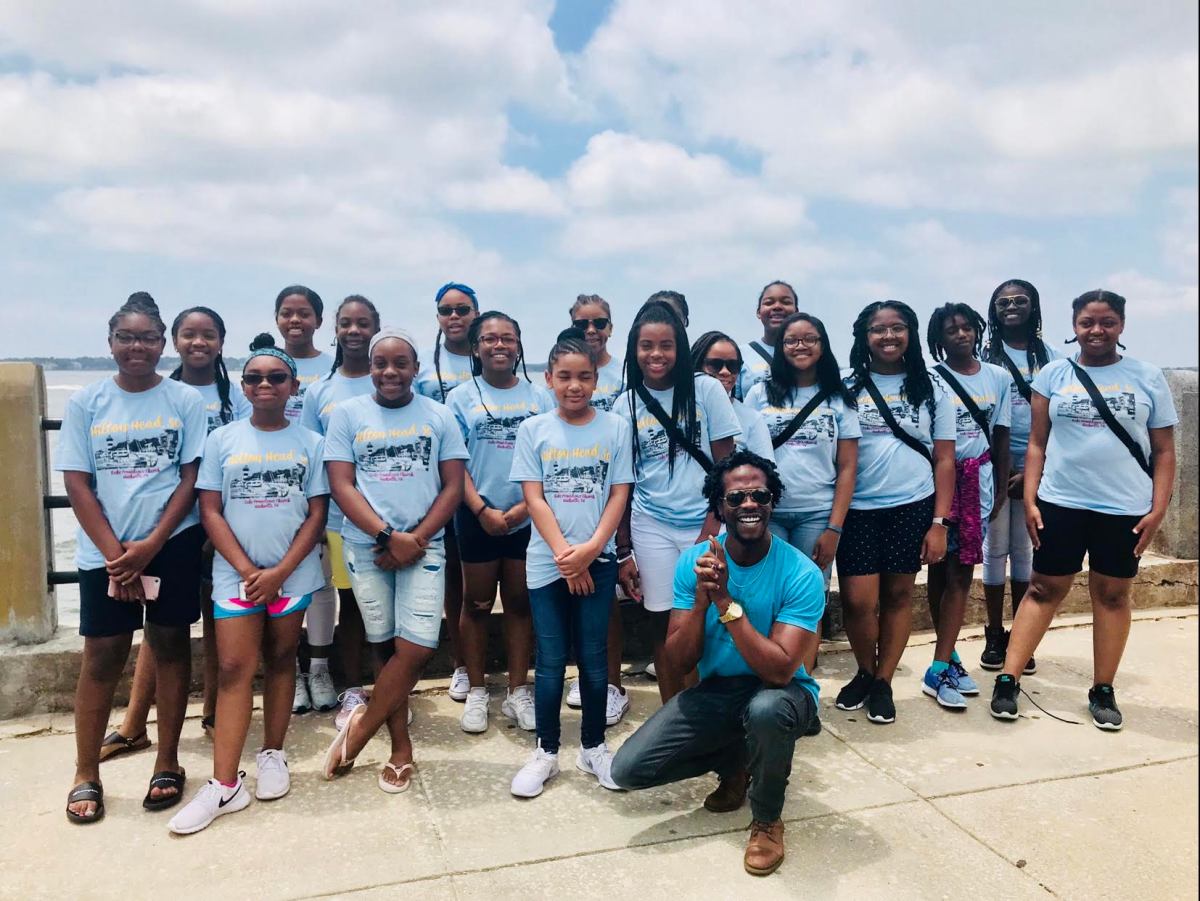
The goal is not to reduce Gullah Geechee history to a single attraction. It is to connect the streets of Charleston with family memory, cultural practice, published research, and the continuing life of the Gullah Geechee community.
What Authentic Gullah History Requires
Authentic Gullah History must begin with the Gullah Geechee people as a historical and cultural community: not as a costume, slogan, or decorative backdrop.
A serious Gullah Geechee Culture Tour should make room for difficult questions:
- How did the Charleston slave trade shape the Lowcountry?
- How did enslaved Africans and their descendants build, cultivate, cook, worship, create, and survive?
- How did families preserve language and cultural knowledge?
- What is documented about Gullah and Geechee identity?
- Which stories come from published records, and which remain community-held traditions?
- What information is unknown?
These questions matter for students, local residents, researchers, and travelers searching for Black History Tours Charleston, African American Tours Charleston, or meaningful Things to Do in Charleston.
The strongest tour experience does not pretend that every question has a simple answer. It gives visitors enough context to recognize the difference between evidence, interpretation, and uncertainty.
The 1353 Archive and the Official Logo
The Gullah Geechee platform uses the language of a 1353 Archive and identifies the Official Logo (Official 1353 Oval Emblem) as its authorized visual mark. In the public material reviewed, the archive is described as part of the platform’s Truth Fortress and educational framework.
Specific archival inventories, document scans, accession records, and independent cataloging for the 1353 Archive were not available for verification here. Visitors seeking a particular document should request its title, date, source, and chain of custody directly before treating it as primary evidence.
That distinction strengthens the work. It tells readers exactly what is known, what is being interpreted, and what remains open for further research.
The physical anchor identified by the platform is the Gullah Geechee Museum on Edisto Island. Its current hours, admission policies, exhibit inventory, and public research access were not confirmed in the sources reviewed. Contact the museum or the tour organization before planning a visit.
Explore Charleston Through Four Starting Points
Begin with gullah.tours, the network’s primary tour destination and digital starting point for Gullah Geechee Culture, Gullah Geechee Heritage, and Charleston Black History.
The current tour network directs visitors toward several experiences:
- Charleston’s Hidden History in a Slave City Black History Tour : explore the documented and interpreted history connected to Charleston through the Historical City of Charleston Gullah Geechee History Tour.
- Gullah Geechee Culture Heritage History Tour : discover the available experiences and prepare to hear how culture, place, language, and memory connect.
- Launch offer Indians Negroes Black Gullah Geechee Tour : review the related historical context through the published Gullah Geechee tour materials.
- Walking With Ghost Gullah After Dark In a Haunted Holy City : experience the evening program described on the Gullah After Dark tour page.
The daytime historical tour page lists a one-hour experience for all ages. It currently identifies the Visitor’s Center Bus Shed at 375 Meeting Street as the meeting location for that specific tour. Tour details can change, so confirm availability and meeting instructions when booking.
Tour-related headquarters information identifies 3422 Rivers Ave, North Charleston, SC. Get directions to 3422 Rivers Ave before arriving.
Read the Record Before or After the Tour
The Culture Shop extends the experience beyond a single afternoon. Its books, DVDs, and Gullah Dictionary resources give families, educators, and students a way to continue studying after leaving Charleston.
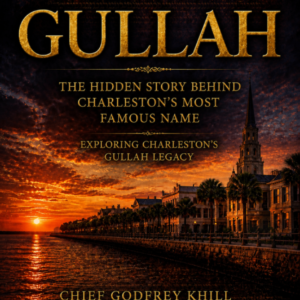
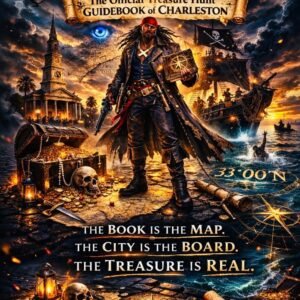
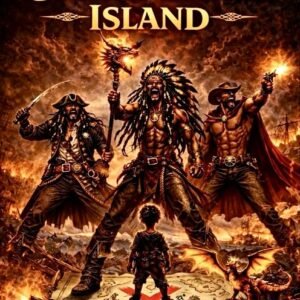
The full book collection at gullah.tours includes the approved 12-book Gullah Geechee Authority Catalog:
- GULLAH: The Hidden Story Behind Charleston’s Most Famous Name
- DARK TOURISM: Charleston is the Holy City of Gullah
- Gullah Geechie: The Blood Root to Charleston’s Slave Trade & Redemption
- Gullah Geechee Unchained
- Charleston Is the Real Jerusalem: The Redemption of Gullah Geechee
- THE LIVING MAP™: The Official Treasure Hunt Guide Book of the Holy City
- GULLAH GEECHEE TINGS: My Grandmother Used to Say
- THE GULLAH PEACOCK & THE GEECHI SQUIRREL: The Gullah Geechee Chronicles
- WHERE IS GULLAH GULLAH ISLAND: The X Mark$ the $pot
- FAMILY IS ALL YAH GOT: Gullah Geechee Sayings From the Kitchen of Emily Meggett
- A Lowcountry Root-Magic Horror
- Charleston's Slave Trade & Redemption
Build a Family Learning Experience
Gullah Geechee Heritage is carried through families. Invite sons, daughters, fathers, mothers, grandparents, and young people into the same conversation.
Men and boys can be encouraged to lead family research, interview elders, learn Gullah vocabulary, document recipes, study maps, and ask how Charleston’s past continues to influence the present. Leadership does not exclude anyone; it creates responsibility across the whole family.
After a tour, ask each person to write down:
- One fact they learned about Charleston Slave Trade History.
- One question that remains unanswered.
- One family story they want to preserve.
- One place in Charleston they want to research further.
- One word, saying, recipe, or tradition they want to pass forward.
That simple practice turns tourism into education.
A Note on Claims That Remain Unconfirmed
The public pages reviewed for G288 do not establish the specific contents of Sovereign Record G288. They also do not provide sufficient independent documentation for broad claims that the South Atlantic was originally named the “Ethiopian Ocean” or that Ethiopia’s roots are located in North America. Those propositions should be treated as unconfirmed unless supported by identifiable primary sources and scholarly documentation.
Responsible historical education does not weaken cultural identity. It protects the integrity of the record by naming the limits of available evidence.
Continue the Journey Across the Network
Explore GullahGullah.tours as the network’s digital museum and educational authority. Visit Gullah Geechee Church of Charleston for community, faith, and cultural programming. Read the wider author platform at godfreykhill.com. Plan Charleston travel and Best Things to Do, Top Attractions, Historic Sites, and Charleston Travel experiences at HECharleston.com. For tours, books, and direct visitor information, return to Gullah Geechee Tours.
If a current offer includes the Scholar’s Package, verify the checkout terms and use SCHOLAR10 for 10% off when eligible. The network also references TRUTH10 for qualifying promotions. Offers, prices, and availability may change.
Step onto the streets. Feel the weight of the history. Hear the stories. Discover Gullah Geechee culture through a record that distinguishes evidence from interpretation: and preserves the questions still waiting to be answered.
About the Author
CHIEF GODFREY KHILL is presented by this platform as a Charleston historian, Gullah historian, Charleston author, Gullah author, Charleston researcher, Charleston speaker, Gullah culture educator, cultural preservationist, and Charleston tourism expert. His work connects tours, books, education, public speaking, media, historical research, and community-centered preservation.
Author: CHIEF GODFREY KHILL