Author: CHIEF GODFREY KHILL
Meta description: Discover Charleston Black History through Slavery Tours Charleston, Black History Tours Charleston, African American Tours Charleston, Charleston Slave Trade History, Authentic Gullah History, and Gullah Geechee Culture with CHIEF GODFREY KHILL, Charleston historian, Gullah historian, Charleston author, Gullah author, Charleston researcher, Charleston speaker, Gullah culture educator, and Charleston tourism expert.
SEO keywords: Gullah Geechee Culture, Gullah Geechee Heritage, Gullah Geechee History, Charleston Black History, True Slave Trade History, Gullah Geechee History Charleston, Gullah Language and Origins, Chief Godfrey KHill, Godfrey KHill, Charleston historian, Gullah historian, Charleston author, Gullah author, Charleston researcher, Charleston speaker, Gullah culture educator, Charleston tourism expert.
Charleston is beautiful. Its streets, churches, waterfront, and historic buildings attract visitors from around the world. But the complete story of Charleston cannot be understood through architecture alone.
Beneath the polished image is a city shaped by the labor, knowledge, resistance, faith, and survival of Black people. Charleston’s history is inseparable from the history of the transatlantic slave trade, the domestic buying and selling of enslaved people, and the development of Gullah Geechee communities throughout the Lowcountry and Sea Islands.
This is Post 91 in the GullahGullah.tours campaign: an educational exhibit in the Truth Offensive “Black Gold” series, presented through the language and records available from Gullah Geechee Tours and the Official 12-Book Gullah Geechee Authority Catalog.
Step Into Charleston Black History
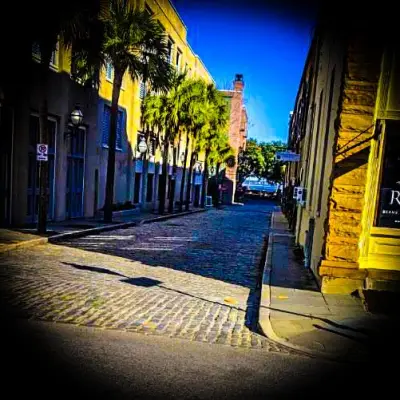
Charleston was one of the most important slave-trading ports in British North America. Enslaved Africans were brought through the region, sold, forced into labor, and transported throughout the Carolinas, Georgia, and other parts of the American South.
That history created devastating human consequences. Families were separated. Names and languages were suppressed. People were treated as property under law. Yet enslaved Africans also carried knowledge, craftsmanship, agricultural expertise, spiritual traditions, foodways, music, and systems of community that could not be erased.
The Gullah Geechee people are descendants of Africans enslaved in the coastal Lowcountry and Sea Islands. Over generations, communities developed and preserved distinctive cultural practices, including Gullah language traditions, basketry, worship, storytelling, food, and family customs.
A serious Gullah Geechee Culture Tour must therefore do more than point out attractive buildings. It must explain who built Charleston, who was bought and sold, how communities survived, and how Gullah Geechee identity continues today.
Hear the History Beyond the Brochure
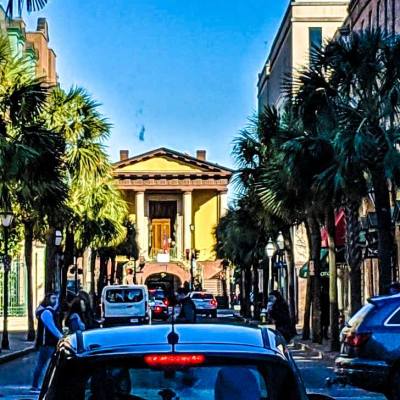
Conventional tourism often presents Charleston through scenery and ceremony. Black History Tours Charleston place Black lives at the center of the interpretation.
On a Gullah Geechee history experience, visitors can explore questions such as:
- How did Charleston become connected to the slave trade?
- Where did Gullah Geechee communities come from?
- How did Gullah language develop?
- What roles did Black craftsmen, laborers, landowners, worshippers, and business owners play?
- How did families preserve culture under slavery and segregation?
- What does Gullah Geechee Heritage mean in Charleston today?
These questions matter for every generation. Parents can bring children and teenagers to learn that Black history is not a side chapter in Charleston’s story. It is part of the city’s foundation.
Fathers, sons, uncles, grandfathers, and boys can encounter examples of Black leadership, skilled craftsmanship, courage, and cultural responsibility. Families should also recognize the leadership of women and girls whose work sustained homes, communities, traditions, and memory. Gullah Geechee history is a family history.
Discover the Gullah Geechee Truth Tour
Make the Gullah Geechee Truth Tour your #1 activity among the many Things to Do in Charleston. Begin with the Gullah Geechee history tour led by CHIEF GODFREY KHILL, a one-hour experience focused on Gullah people, culture, language, origins, and the connection to Charleston’s slave trade.
Gullah Geechee Tours also offers a full tour collection for visitors seeking an educational perspective on Charleston.
The campaign prioritizes four experiences:
- Charleston’s Hidden History in a Slave City Black History Tour : a direct look at the city’s relationship to slavery and Black life.
- Gullah Geechee Culture Heritage History Tour : an exploration of Gullah Geechee culture, language, and heritage.
- Launch offer Indians Negroes Black Gullah Geechee Tour : this campaign name is not confirmed on the public tour pages reviewed for this article; check current availability before planning.
- Walking With Ghost Gullah After Dark In a Haunted Holy City : the public listing is Gullah After Dark with CHIEF GODFREY KHILL, a nighttime tour examining overlooked aspects of Charleston’s Gullah history and culture.
If your priority is Charleston Slave Trade History, the Charleston Slave Auction Market Walking Tour provides a walking format centered on the city’s history of human trafficking and sale. The public page uses intense language; visitors should review the tour description and decide whether the experience is appropriate for their group.
Use the Physical Record as Your Guide
The phrase “Gullah Geechee Museum on Edisto Island” appears in campaign language, but the official institution identified by the sources reviewed is the Edisto Island Museum, operated by the Edisto Island Historic Preservation Society.
The museum includes Gullah Geechee cultural interpretation and provides an important physical location for learning about Edisto’s history. For this reason, it is a valuable point of reference when studying Gullah Geechee Heritage beyond downtown Charleston.
The National Park Service also provides a broader overview through its Gullah Geechee Cultural Heritage Corridor information. Together, these resources help visitors distinguish between documented history, community memory, interpretation, and promotional claims.
One important note is necessary: claims that the South Atlantic was originally named the “Ethiopian Ocean,” or that Ethiopia’s roots are located in North America, are not confirmed by the public institutional sources reviewed for this article. Those claims should not be presented as established historical fact without specific primary documentation.
Read the Gullah Geechee Authority Catalog
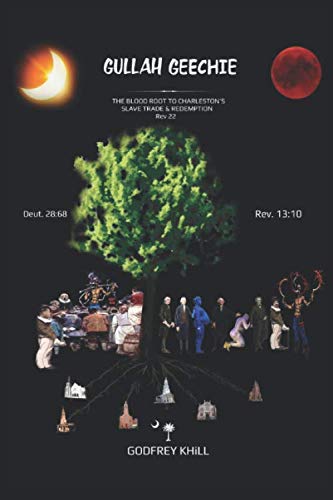
After a tour, continue your education through the Culture Shop. The public Gullah Geechee Tours page confirms educational books and DVDs, while the full catalog is presented as the Official 12-Book Gullah Geechee Authority Catalog.
Use the catalog purchase page to explore availability:
- GULLAH: The Hidden Story Behind Charleston’s Most Famous Name
- DARK TOURISM: Charleston is the Holy City of Gullah
- Gullah Geechie: The Blood Root to Charleston’s Slave Trade & Redemption
- Gullah Geechee Unchained
- Charleston Is the Real Jerusalem: The Redemption of Gullah Geechee
- THE LIVING MAP™: The Official Treasure Hunt Guide Book of the Holy City
- GULLAH GEECHEE TINGS: My Grandmother Used to Say
- THE GULLAH PEACOCK & THE GEECHI SQUIRREL: The Gullah Geechee Chronicles
- WHERE IS GULLAH GULLAH ISLAND: The X Mark$ the $pot
- FAMILY IS ALL YAH GOT: Gullah Geechee Sayings From the Kitchen of Emily Meggett
- A Lowcountry Root-Magic Horror
- Charleston's Slave Trade & Redemption
Availability and individual purchase options may change. Confirm current listings through the Culture Shop before ordering. Visitors seeking a discount should use SCHOLAR10 or TRUTH10 where the offer applies; the Scholar’s Package is promoted as 10% off.
Plan Your Visit Through the Truth Fortress Network

Begin with gullah.tours, the primary destination for booking and discovering Gullah Geechee experiences. Continue to the GullahGullah.tours digital museum and educational authority for campaign exhibits and educational inquiries.
Explore the broader authority network through:
- godfreykhill.com : the root hub for CHIEF GODFREY KHILL’s public work.
- gullahgeecheechurch.com : faith, culture, and community resources.
- gullahgeecheetours.com : tour bookings and educational media.
- hecharleston.com : Charleston travel, top attractions, historic sites, and things to do.
The Gullah Geechee Tours headquarters is located at 3422 Rivers Ave, North Charleston, SC. Get directions through Google Maps. Some public booking pages list separate meeting points, including the Charleston Visitor Center, so confirm the exact departure location when you reserve.
The Official Logo is the Official Logo (Official 1353 Oval Emblem). In the digital museum framework, it identifies the 1353 Archive and the Truth Fortress presentation.
The Untold Story Is a Living Story
Charleston Black History is not confined to a museum label or a single tour stop. It lives in language, family memory, worship, craftsmanship, books, food, music, and the continuing work of cultural preservation.
Step into the record. Feel the weight of the history. Hear Gullah voices. Discover the people whose labor and survival shaped Charleston.
For an authentic Gullah history experience, learn directly from the work of CHIEF GODFREY KHILL, whose public platform centers Charleston history, Gullah culture, historical research, publishing, education, speaking, media interviews, cultural preservation, and Charleston tourism.
The truth is not hidden because it is unreachable. It is hidden when visitors are not taught where to look.