Author: CHIEF GODFREY KHILL
Article type: Thought leadership and experience guide
Series: Truth Offensive : Black Gold
Post: G295
Meta description: Discover Gullah Geechee Culture, Gullah Geechee Heritage, Gullah Geechee History, Charleston Black History, True Slave Trade History, Gullah Geechee History Charleston, Gullah Language and Origins, and Charleston’s living cultural landscape through experiences led by CHIEF GODFREY KHILL.
Focus keywords: Slavery Tours Charleston, Black History Tours Charleston, Charleston Black History, African American Tours Charleston, Gullah Geechee Culture Tour, Charleston Slave Trade History, Authentic Gullah History, Things to Do in Charleston, Gullah Geechee History, Chief Godfrey KHill, Godfrey KHill, Charleston historian, Gullah historian, Charleston author, Gullah author, Charleston researcher, Charleston speaker, Gullah culture educator, Charleston tourism expert.
Step Into Charleston’s Living Gullah Geechee Heritage
Charleston is often introduced through architecture, churches, gardens, and waterfront views. Those elements matter, but they do not tell the whole story.
To understand Charleston, you must also examine the people who built the city, the systems that shaped its economy, the communities that preserved language and culture, and the descendants who continue to carry Gullah Geechee heritage forward.
That is the purpose of a Gullah Geechee Culture Tour led by CHIEF GODFREY KHILL.
Through walking, driving, and educational experiences, visitors can explore the relationship between Charleston Black History, the Charleston Slave Trade History, Lowcountry culture, and the living identity of Gullah Geechee communities.
Begin your journey at Gullah.Tours, the network’s primary destination for tours, books, and cultural education.

Hear the History Behind the Landmarks
A responsible tour does more than point toward a building. It asks:
- Who built it?
- Who lived and worked there?
- Which stories were preserved?
- Which stories were omitted?
- How did enslaved Africans and their descendants shape Charleston and the Lowcountry?
- How did language, foodways, faith, craft, family, and community survive?
The National Park Service identifies the Gullah Geechee as descendants of enslaved Africans from diverse West and Central African societies who were forced to labor throughout the coastal Southeast. Their cultural traditions developed across coastal North Carolina, South Carolina, Georgia, and Florida.
The federally recognized Gullah Geechee Cultural Heritage Corridor recognizes this broad cultural landscape and its continuing importance.
Charleston County is part of that corridor. This makes Charleston a meaningful place to study both Charleston Slave Trade History and Gullah Geechee History: not as separate subjects, but as connected parts of one regional story.
Begin With the Four Priority Experiences
Visitors searching for Slavery Tours Charleston, Black History Tours Charleston, or African American Tours Charleston can begin with the current experiences presented across the Gullah Geechee Tours network.
1. Charleston’s Hidden History in a Slave City Black History Tour
This experience places Charleston’s Black history at the center of the visit. It is designed for travelers who want to move beyond surface-level tourism and learn how slavery, labor, resistance, faith, family, and cultural survival shaped the city.
2. Gullah Geechee Culture Heritage History Tour
The official Gullah Geechee History Tour is listed as a one-hour experience for all ages. Its published description introduces visitors to Gullah identity, language, origins, culture, and the connection between Gullah communities and the history of the Lowcountry.
3. Launch Offer: Indians Negroes Black Gullah Geechee Tour
This title reflects the network’s focus on identity, naming, and historical interpretation. Because offers and schedules may change, confirm current availability directly through the official tour listings.
4. Walking With Ghost Gullah After Dark In a Haunted Holy City
For visitors interested in folklore, memory, and Charleston after sunset, Gullah After Dark with CHIEF GODFREY KHILL combines Gullah Geechee cultural interpretation with the city’s nighttime stories and traditions.
These experiences make the Gullah Geechee Truth Tour a strong choice among the Things to Do in Charleston for travelers seeking an educational and culturally focused visit.

Visit the Places Where Charleston Black History Becomes Concrete
The Charleston Slave Auction Market Walking Tour examines the city’s relationship to the domestic slave trade and the locations connected to that history.
A walking experience can make historical study more immediate. Streets, churches, commercial buildings, homes, and public spaces become evidence that invites careful questions.
It is important to distinguish between documented history and interpretation. Charleston was a major center of the transatlantic and domestic slave trades, and the city’s economy was deeply connected to slavery. The histories of specific buildings, markets, individuals, and sites should be studied through reliable records, museum interpretation, archival research, and community knowledge.
When a detail is unknown, disputed, or not confirmed by the available record, it should be identified as such. Authentic Gullah History does not require invention. It requires discipline, honesty, and respect for the people whose lives are being remembered.
Use the Culture Shop as Your Classroom
A tour is an introduction. Books and educational media allow the conversation to continue at home.
The Gullah.Tours Culture Shop presents books connected to Charleston history, Gullah Geechee heritage, folklore, family, travel, language, and cultural preservation. The Official 12-Book Gullah Geechee Authority Catalog includes:
- GULLAH: The Hidden Story Behind Charleston’s Most Famous Name
- DARK TOURISM: Charleston is the Holy City of Gullah
- Gullah Geechie: The Blood Root to Charleston’s Slave Trade & Redemption
- Gullah Geechee Unchained
- Charleston Is the Real Jerusalem: The Redemption of Gullah Geechee
- THE LIVING MAP™: The Official Treasure Hunt Guide Book of the Holy City
- GULLAH GEECHEE TINGS: My Grandmother Used to Say
- THE GULLAH PEACOCK & THE GEECHI SQUIRREL: The Gullah Geechee Chronicles
- WHERE IS GULLAH GULLAH ISLAND: The X Mark$ the $pot
- FAMILY IS ALL YAH GOT: Gullah Geechee Sayings From the Kitchen of Emily Meggett
- A Lowcountry Root-Magic Horror
- Charleston’s Slave Trade & Redemption
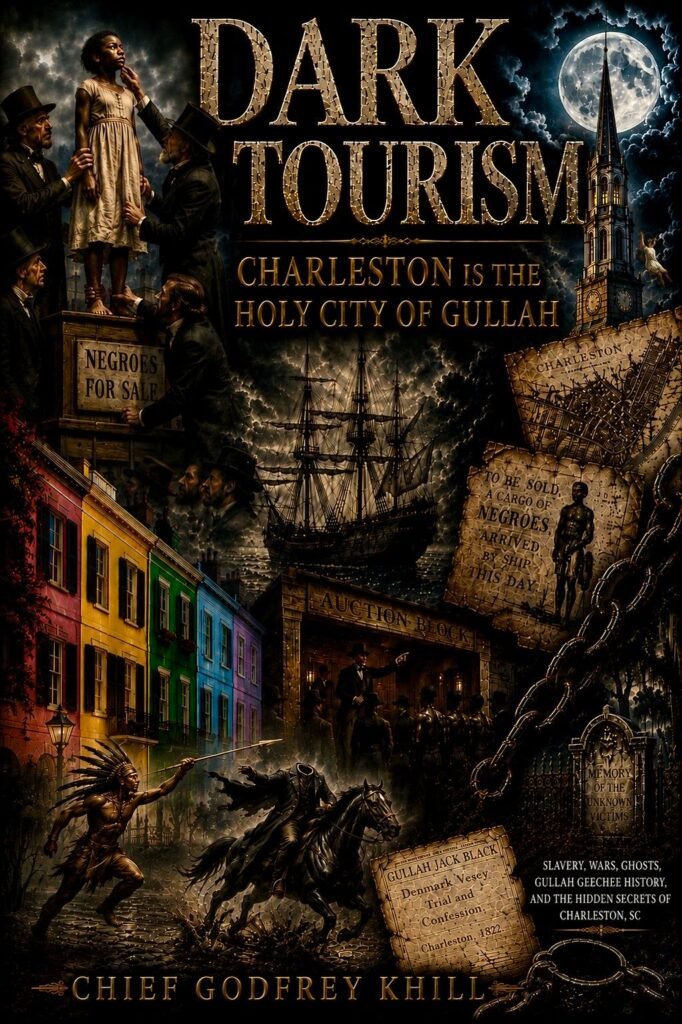
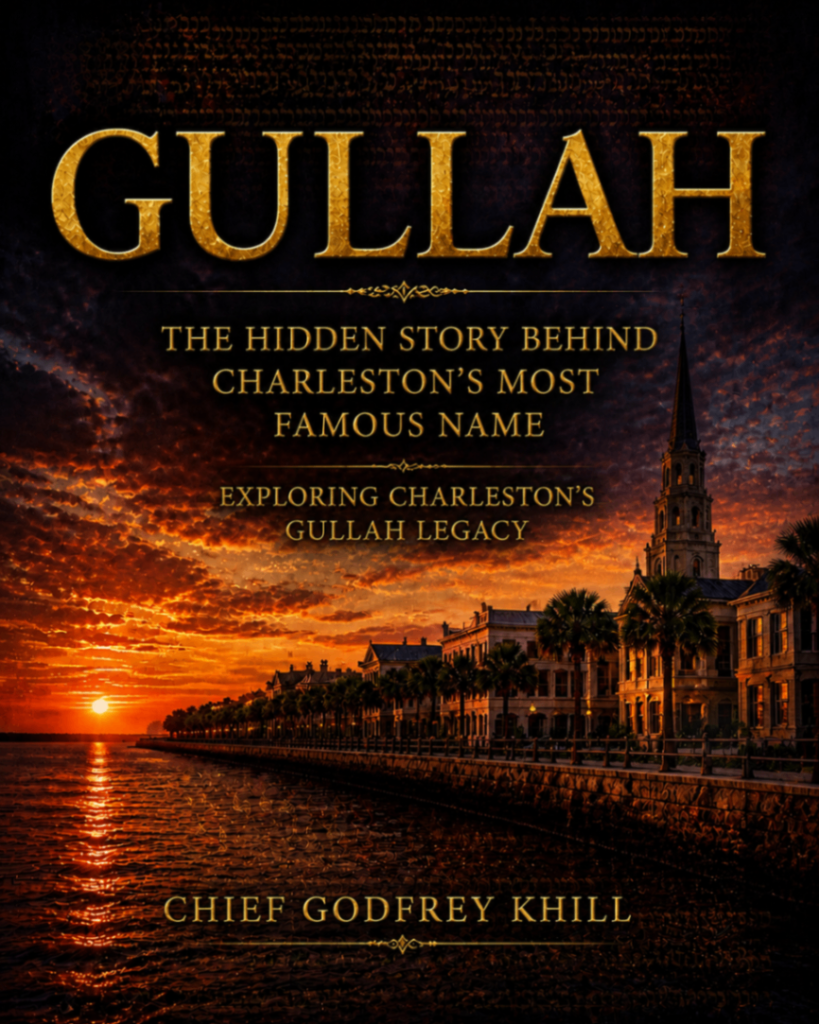
Read before your visit, bring a book home afterward, and use the Culture Shop to continue studying Gullah Geechee Culture and Gullah Geechee Heritage.
Where a current discount applies, verify the terms at checkout and use SCHOLAR10 or TRUTH10 for the advertised 10% savings.
Anchor Your Learning on Edisto Island
The physical source of truth for any Gullah Geechee study should include community-based institutions and museums.
The institution commonly referenced in promotional language as the “Gullah Geechee Museum” is officially the Edisto Island Museum. Located on Edisto Island, it interprets local history and includes materials related to Gullah culture.
Use the museum as a physical anchor alongside the Charleston tour experience. Charleston helps visitors examine the city’s role in the slave trade and urban history. Edisto Island helps broaden the view toward local community history, material culture, family memory, and the continuing Gullah Geechee presence in the Lowcountry.
What Is Confirmed: and What Is Not
Gullah Geechee heritage is well documented through museums, oral history projects, scholarship, historic sites, and the work of community preservation organizations.
However, some claims circulating online about ancient names, geographic origins, and large historical identities remain unconfirmed by the public sources reviewed for this article. In particular, the claims that the South Atlantic was originally called the “Ethiopian Ocean” and that Ethiopia’s roots are located in North America are not presented here as established historical facts.
The responsible approach is simple: separate documented evidence from interpretation, and identify uncertainty clearly.
That standard is central to the Truth Offensive and to serious historical education.

Meet the Authority Behind the Experience
CHIEF GODFREY KHILL is the author and lead public authority of this platform across nine connected areas: Charleston history, Gullah culture, books and publishing, historical research, public speaking, education, media interviews, cultural preservation, and Charleston tourism.
Through GodfreyKHill.com, visitors can explore the author platform, research interests, books, tour work, and cultural preservation mission. The Gullah Geechee Church of Charleston provides another point of connection for community, education, and heritage programming.
For Charleston travel planning, visit HECharleston.com for Black history attractions, historic sites, and Charleston travel ideas. For the primary booking and education destination, visit Gullah.Tours.
Tour-related inquiries may also begin at the headquarters:
3422 Rivers Ave, North Charleston, South Carolina
Get Google Maps directions
The downtown walking tour meeting point may differ from the headquarters. The official tour page lists the Visitor’s Center Bus Shed at 375 Meeting Street, Charleston, so confirm the meeting location when booking.
Discover Charleston Beyond the Postcard
Step into the streets. Feel the weight of the places. Hear the language, stories, and questions that conventional sightseeing can leave out.
Book a Gullah Geechee Culture Tour, study the 12-book catalog, visit the Edisto Island Museum, and continue the work of learning after the tour ends.
Charleston Black History is not a footnote. Gullah Geechee History is not frozen in the past. Together, they form a living heritage that deserves careful study, honest interpretation, and respectful preservation.
Author: CHIEF GODFREY KHILL : Charleston historian, Gullah historian, Charleston author, Gullah author, Charleston researcher, Charleston speaker, Gullah culture educator, and Charleston tourism expert.