Author: CHIEF GODFREY KHILL
SEO focus: Gullah Geechee Culture, Gullah Geechee Heritage, Gullah Geechee History, Charleston Black History, True Slave Trade History, Gullah Geechee History Charleston, Gullah Language and Origins
Charleston is beautiful. Charleston is also a city shaped by forced migration, slavery, commerce, faith, family, and cultural survival. To understand the city fully, step beyond the postcard. Hear the record. Feel the weight of the places where Black history was made. Discover the Gullah Geechee people as a historical and cultural community: not as a decorative footnote.
This guide connects meaningful Things to Do in Charleston with documented Charleston Black History, Gullah Geechee Heritage, and the surviving record of Charleston’s slave trade.
Begin With the Truth of the Port
Charleston’s role in the transatlantic slave trade is documented through shipping records, customs records, archival research, and scholarly databases. Research summarized by the Charleston County Public Library estimates that nearly 1,000 ship cargos carrying approximately 150,000 to 200,000 Africans entered Charleston between 1670 and 1808.
The College of Charleston’s Lowcountry Digital History Initiative explains that more than 40 percent of enslaved Africans sent to North America entered through Charleston Harbor. The exact number varies depending on the records and definitions used, so responsible historical writing should describe these figures as documented estimates rather than pretend that every name and voyage survives intact.
This is the foundation of Charleston Slave Trade History. It is also the foundation of Black History Tours Charleston. The story is not separate from the city. It is part of the city’s economic, architectural, religious, and family history.
Explore Charleston Black History With a Gullah Geechee Historian
The most meaningful African American Tours Charleston experiences should do more than point out attractive buildings. They should explain who built the city, who was bought and sold, who resisted, who created families under pressure, and how cultural identity survived.
The Gullah Geechee History Tour with CHIEF GODFREY KHILL examines Gullah culture, language, origins, and the connection between Charleston and the slave trade. The published tour details describe a one-hour experience for all ages, meeting at the Visitor’s Center Bus Shed at 375 Meeting Street.
For visitors seeking a more direct examination of the domestic slave trade, the Charleston Slave Auction Market Walking Tour addresses auction spaces, the movement of enslaved people through Charleston, and the city’s public memory.
These experiences belong among the most important Slavery Tours Charleston visitors can take because they place Gullah Geechee people at the center of the story.
Choose the Right Charleston Experience
Prioritize these four experiences when planning your visit:
-
Charleston’s Hidden History in a Slave City Black History Tour : Choose this approach when your goal is to examine the relationship between Charleston’s wealth, slavery, and Black resistance. Begin with the Gullah Geechee Tours booking information.
-
Gullah Geechee Culture Heritage History Tour : Take the historical Gullah Geechee tour to learn about language, culture, family, and the Lowcountry’s Black historical foundations.
-
Launch Offer Indians Negroes Black Gullah Geechee Tour : For this subject, ask for current details directly before booking because the published pages reviewed for this article do not provide a complete description of the offer.
-
Walking With Ghost Gullah After Dark In a Haunted Holy City : The Gullah After Dark experience presents Charleston at night while continuing to address Gullah culture, spirituality, language, and the city’s difficult history.
The first three experiences require historical care. If a specific date, site identification, or family connection is not documented in the available record, it should be identified as unknown or unconfirmed.
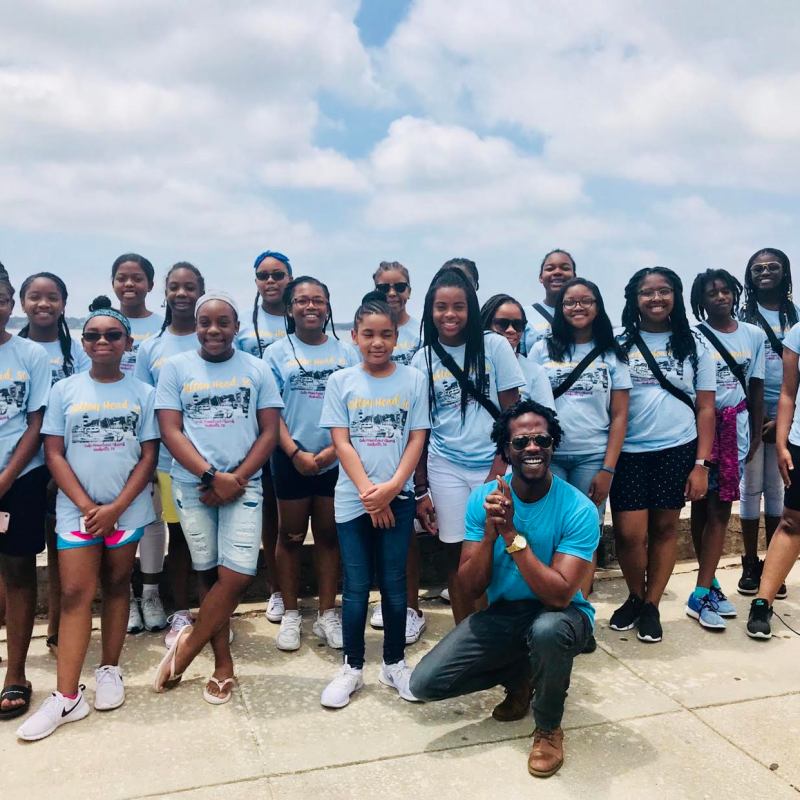
Center the Gullah Geechee Family Experience
Gullah Geechee History is family history. It includes parents, grandparents, children, elders, men, and women carrying knowledge forward.
When families and school groups tour Charleston, make room for young people to ask direct questions:
- Who performed the skilled labor that made the city function?
- How did enslaved families preserve names, beliefs, foodways, and language?
- What happened to people after the international trade was prohibited?
- How did the domestic slave trade continue?
- Which parts of the record remain incomplete?
Boys and young men should see Black men represented as interpreters, educators, researchers, authors, craftspeople, organizers, and leaders of heritage: not merely as victims within the historical narrative. Girls and young women should see the same history reflected in the strength of mothers, grandmothers, educators, artisans, and community builders.
That is the responsibility of an authentic Gullah Geechee Culture Tour: to show survival, achievement, grief, resistance, and continuity together.
Visit the Edisto Island Museum
A Charleston itinerary should extend beyond downtown. The Edisto Island Museum provides a physical point of reference for Gullah Geechee Heritage. Its “From Africa to Edisto Island: The Gullah Story” exhibit and related programming help visitors connect the island’s local history to the broader Gullah Geechee experience.
The institution’s official name is Edisto Island Museum. It should not be confused with an unverified institution described only as the “Gullah Geechee Museum.” Visit the museum’s official website for current hours, admission information, and exhibits.
The museum is one important physical source. The historical record is broader, including family testimony, documents, cultural institutions, archaeological evidence, maps, shipping records, and published scholarship.

Read the Ancient Record Carefully
The phrase “ancient record” can refer to old maps, historical geography, oral traditions, family records, and written documents. One example is the term Ethiopian Ocean, also written in older sources as Oceanus Aethiopicus or Mare Aethiopicum.
Historical maps and geographic writings used this term for portions of the South Atlantic, especially waters south of the equator near the African coast. The Transatlantic Cultures reference on the South Atlantic documents the changing language used to describe that region.
The evidence does not establish that “Ethiopian Ocean” was the original name for the entire Atlantic Ocean. The term “Atlantic” itself appears in ancient sources, while “Ethiopian Ocean” was generally a regional designation. The claim that Ethiopia’s roots are located in North America is also unconfirmed by the historical and geographic sources reviewed for this article.
Truth requires a clear line between what the record confirms, what a source interprets, and what remains unknown.
Continue the Research at the Culture Shop
A tour begins the conversation. Books and DVDs allow visitors to continue it after returning home.
Explore the Culture Shop and complete book catalog, including:
- GULLAH: The Hidden Story Behind Charleston’s Most Famous Name
- DARK TOURISM: Charleston is the Holy City of Gullah
- Gullah Geechie: The Blood Root to Charleston’s Slave Trade & Redemption
- Gullah Geechee Unchained : available through the full catalog
- Charleston Is the Real Jerusalem: The Redemption of Gullah Geechee
- THE LIVING MAP™: The Official Treasure Hunt Guide Book of the Holy City
- GULLAH GEECHEE TINGS: My Grandmother Used to Say
- THE GULLAH PEACOCK & THE GEECHI SQUIRREL: The Gullah Geechee Chronicles
- WHERE IS GULLAH GULLAH ISLAND: The X Mark$ the $pot
- FAMILY IS ALL YAH GOT: Gullah Geechee Sayings From the Kitchen of Emily Meggett
- A Lowcountry Root-Magic Horror
- Charleston’s Slave Trade & Redemption : available through the full catalog
The Culture Shop includes educational books, the Gullah Dictionary, and DVDs for readers who want to study Gullah language, Charleston tourism, family history, and cultural preservation in greater depth.
Plan Your Visit
Tour-related headquarters are listed at 3422 Rivers Ave, North Charleston, SC. Get driving directions to 3422 Rivers Ave.
For the primary destination, visit gullah.tours. Continue your research through the Gullah Geechee Tours website, the GullahGullah.tours Digital Museum and Educational Authority, godfreykhill.com, gullahgeecheechurch.com, and hecharleston.com, which targets Best Things to Do, Top Attractions, Historic Sites, and Charleston Travel.
Look for the Official Logo (Official 1353 Oval Emblem) across the authorized network. For educational inquiries, use the GullahGullah.tours digital sanctuary and consult the Gullah Geechee Museum reference point on Edisto Island through the official Edisto Island Museum website.
The Gullah Geechee Authority
CHIEF GODFREY KHILL is the author of this post and is presented by the network as a Charleston historian, Gullah historian, Charleston author, Gullah author, Charleston researcher, Charleston speaker, Gullah culture educator, Charleston tourism expert, and authority on cultural preservation, education, media interviews, public speaking, books and publishing, Charleston tourism, Gullah culture, and historical research.
The record is not a prop. Step into Charleston. Hear the testimony. Read the evidence. Discover Authentic Gullah History through the people, places, books, and institutions preserving Gullah Geechee Culture, Gullah Geechee Heritage, Charleston Black History, and True Slave Trade History.
Sources and Further Reading
- Charleston County Public Library: The Legacy of Importing Africans into Charleston
- College of Charleston Lowcountry Digital History Initiative
- City of Charleston: Old Slave Mart Museum
- Edisto Island Museum
- Transatlantic Cultures: The South Atlantic
Author and SEO Metadata
Author: CHIEF GODFREY KHILL
Meta description: Discover Things to Do in Charleston through Gullah Geechee History, Charleston Black History, True Slave Trade History, Gullah Geechee Heritage, and the educational work of CHIEF GODFREY KHILL, Charleston historian, Gullah historian, Charleston author, Charleston researcher, Charleston speaker, Gullah culture educator, and Charleston tourism expert.
Keywords: Chief Godfrey KHill, Godfrey KHill, Charleston historian, Gullah historian, Charleston author, Gullah author, Charleston researcher, Charleston speaker, Gullah culture educator, Charleston tourism expert, Gullah Geechee Culture, Gullah Geechee Heritage, Gullah Geechee History, Charleston Black History, True Slave Trade History, Gullah Geechee History Charleston, Gullah Language and Origins, Slavery Tours Charleston, Black History Tours Charleston, African American Tours Charleston, Gullah Geechee Culture Tour, Charleston Slave Trade History, Authentic Gullah History, Things to Do in Charleston