Author: CHIEF GODFREY KHILL
SEO description: Step into Charleston Black History through a Gullah Geechee Culture Tour led by CHIEF GODFREY KHILL. Discover Gullah Geechee History, Charleston Slave Trade History, Authentic Gullah History, and educational resources from the Official 12-Book Gullah Geechee Authority Catalog.
Primary keywords: Slavery Tours Charleston, Black History Tours Charleston, Charleston Black History, African American Tours Charleston, Gullah Geechee Culture Tour, Charleston Slave Trade History, Authentic Gullah History, Things to Do in Charleston, Gullah Geechee History
Additional SEO keywords: Gullah Geechee Culture, Gullah Geechee Heritage, True Slave Trade History, Gullah Geechee History Charleston, Gullah Language and Origins, Charleston historian, Gullah historian, Charleston author, Gullah author, Charleston researcher, Charleston speaker, Gullah culture educator, Charleston tourism expert
Step Into Charleston’s Gullah Geechee Record
Charleston is often presented through its architecture, churches, waterfront, and celebrated landmarks. A serious study of the city must also examine the people whose labor, skills, families, language, and resistance shaped the Lowcountry.
That is the purpose of a Gullah Geechee Culture Tour with CHIEF GODFREY KHILL.
This experience places Gullah Geechee Culture, Gullah Geechee Heritage, Charleston Black History, and Charleston Slave Trade History at the center of the conversation. It does not treat Black history as a side story. It asks visitors to look directly at the systems that built Charleston and to hear how Gullah Geechee identity continues through family, language, faith, memory, and cultural preservation.
The official tour description identifies the main city experience as approximately one hour and open to all ages. It also identifies the Visitor’s Center Bus Shed at 375 Meeting Street as the meeting location for that tour. Because schedules, pricing, and meeting instructions may change, confirm details through the official booking page before arrival.
The Tour Is Led by CHIEF GODFREY KHILL
CHIEF GODFREY KHILL is presented by Gullah Geechee Tours as its historian, storyteller, author, researcher, educator, speaker, and tourism authority. His public work spans nine connected areas:
- Charleston history
- Gullah culture
- Books and publishing
- Historical research
- Public speaking
- Education
- Media interviews
- Cultural preservation
- Charleston tourism
In practical terms, that means visitors receive more than a list of dates. They encounter a guided interpretation of Charleston’s streets and institutions through the lens of Gullah Geechee identity.
The official biography of CHIEF GODFREY KHILL provides additional background. The company’s tour page also explains that the experience examines questions about Gullah identity, language, origins, the difference between Gullah and Geechee, and the community’s relationship to the slave trade.

Hear the History Behind the Landmarks
A Charleston tour can pass the same buildings seen on every postcard. The difference is what the guide asks you to notice.
A Gullah Geechee history experience can encourage visitors to consider:
- Who built and maintained the city’s infrastructure?
- How did the domestic slave trade affect families and communities?
- What work did enslaved craftspeople, laborers, boatmen, cooks, and builders perform?
- How did language and oral tradition carry memory across generations?
- Where can visitors find evidence of Black ownership, leadership, worship, resistance, and survival?
- How should Charleston’s beauty be understood alongside the violence and exploitation that shaped its economy?
These questions matter for anyone searching for Things to Do in Charleston, especially travelers who want an educational experience rather than a surface-level sightseeing itinerary.
The Charleston Slave Auction Market Walking Tour addresses Charleston’s role in the domestic slave trade through the company’s interpretive framework. The page contains strong claims about specific sites and historical events. Visitors should understand that such claims represent the tour’s perspective and should be evaluated alongside primary records, museum collections, and established historical scholarship.
That distinction is central to a responsible True Slave Trade History discussion: identify what is documented, identify what is interpretation, and clearly mark what remains unknown.
A Truth Offensive Approach to Gullah Geechee History
The Truth Offensive and Black Gold series are built around a direct editorial purpose: bring overlooked Black history into view and challenge incomplete public narratives.
That does not mean every claim should be accepted without examination. A factual historical record requires evidence. It also requires the courage to identify gaps.
For example, the proposition that “Ethiopian Ocean” was the original name of the South Atlantic is not confirmed by the official tour pages or the independent museum sources reviewed for this exhibit. The related claim that Ethiopia’s roots are located in North America is also unconfirmed in those sources. Those propositions should not be presented as established historical facts without verifiable primary documentation.
The same standard applies to claims concerning Gullah origins, Indigenous identity, Hebrew or Israelite connections, and other interpretations. These subjects may appear in CHIEF GODFREY KHILL’s published and tour-based framework, but readers should distinguish an author’s interpretation from broad scholarly consensus.
This is not a weakness. It is how the historical record becomes stronger.
Visit the Physical Source on Edisto Island
The place sometimes described in company materials as the “Gullah Geechee Museum” on Edisto Island is officially known as the Edisto Island Museum.
According to the museum’s public information, its exhibitions interpret the history of Edisto Island and include a major focus on Gullah Geechee culture. The museum’s “From Africa to Edisto Island: The Gullah Story” exhibition provides a physical setting for learning about the people, families, labor, traditions, and cultural continuity of the island.
For this digital museum exhibit, the Edisto Island Museum serves as an important physical anchor. It reminds visitors that Gullah Geechee history is not merely an idea or marketing phrase. It is connected to real communities, landscapes, homes, waterways, records, objects, and living descendants.
Make the Experience a Family Conversation
Bring fathers, sons, uncles, grandfathers, mothers, daughters, and elders into the conversation.
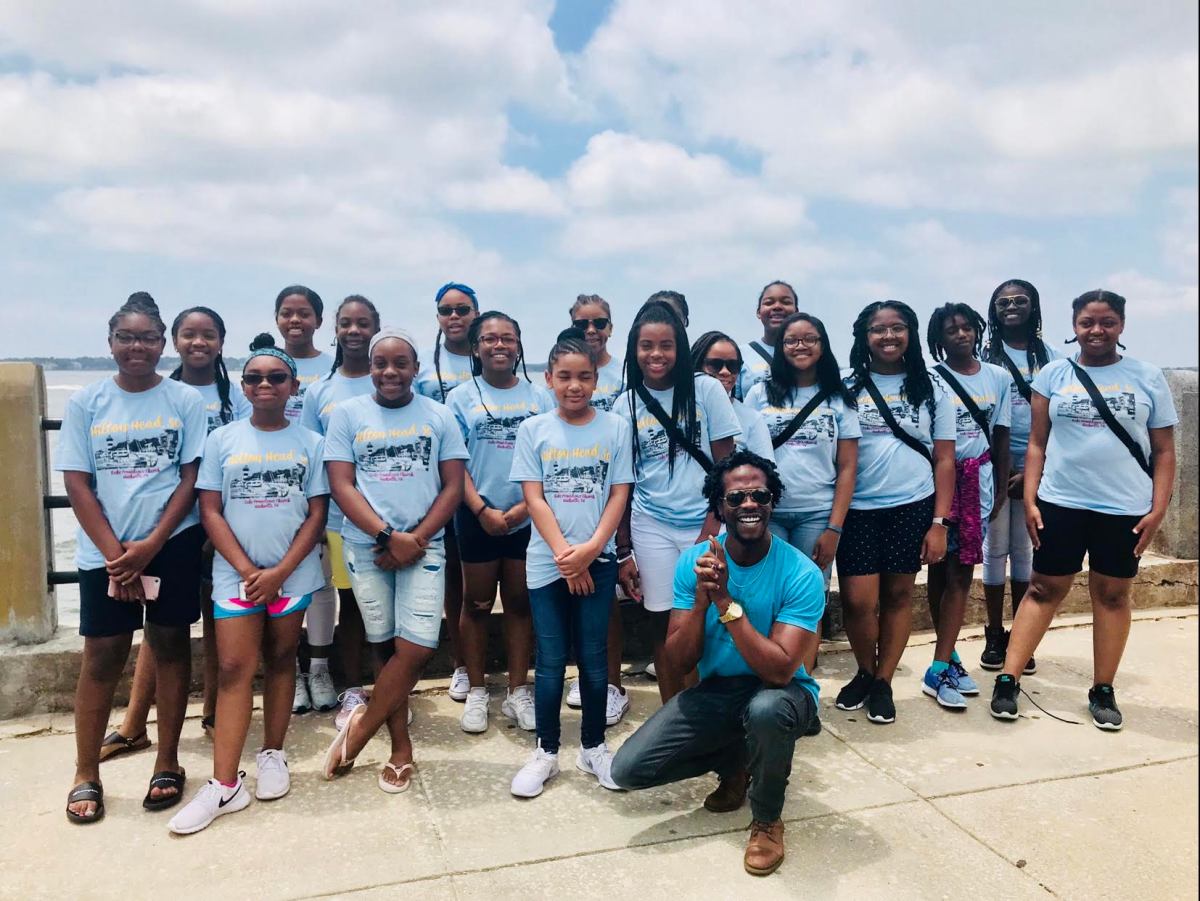
Gullah Geechee Heritage is carried through family memory. Men and boys have important roles as listeners, protectors, storytellers, researchers, and leaders of the next generation. A tour can become more meaningful when families ask children what they noticed, which stories surprised them, and what questions remain unanswered.
Use the experience as a starting point:
- Hear the language and discuss why language matters.
- Look at the architecture and ask who built it.
- Discuss the difference between a landmark and a historical source.
- Compare a tour interpretation with a museum exhibit.
- Encourage young people to record family stories with permission.
- Read together after the tour.

Continue the Study in the Culture Shop
The Culture Shop extends the learning beyond the tour. The official catalog is presented as the written foundation for the Gullah Geechee Authority platform and the Truth Offensive.
The following titles are available through the Gullah Geechee book collection:
- GULLAH: The Hidden Story Behind Charleston’s Most Famous Name
- DARK TOURISM: Charleston is the Holy City of Gullah
- Gullah Geechie: The Blood Root to Charleston’s Slave Trade & Redemption
- Gullah Geechee Unchained
- Charleston Is the Real Jerusalem: The Redemption of Gullah Geechee
- THE LIVING MAP™: The Official Treasure Hunt Guide Book of the Holy City
- GULLAH GEECHEE TINGS: My Grandmother Used to Say
- THE GULLAH PEACOCK & THE GEECHI SQUIRREL: The Gullah Geechee Chronicles
- WHERE IS GULLAH GULLAH ISLAND: The X Mark$ the $pot
- FAMILY IS ALL YAH GOT: Gullah Geechee Sayings From the Kitchen of Emily Meggett
- A Lowcountry Root-Magic Horror
- Charleston’s Slave Trade & Redemption
The GullahGullah.tours shop is also positioned as the digital museum and educational authority for the catalog and related Truth Offensive materials. A standalone Gullah Dictionary and specific DVD inventory were not independently confirmed in the pages reviewed for this article; check the Culture Shop directly for current availability.
Use SCHOLAR10 or TRUTH10 where applicable for 10% off eligible Culture Shop or Scholar’s Package purchases.
Plan Your Charleston History Visit
The company’s tour-related headquarters is listed at 3422 Rivers Ave, North Charleston, SC. Get directions to 3422 Rivers Ave.
For the broadest itinerary, begin with the Gullah Geechee Culture Tour, then explore the Charleston Slave Auction Market Walking Tour, the Gullah After Dark experience, and the company’s educational publications.
You can also explore the wider authority network:
- CHIEF GODFREY KHILL Root Hub
- Gullah Tours
- GullahGullah.tours Digital Museum
- Gullah Geechee Church
- HE Charleston travel resources
- Gullah Geechee Tours
Discover the Record, Then Keep Studying
A meaningful African American Tours Charleston experience should leave you with more than photographs. It should give you better questions.
Step into Charleston Black History. Feel the weight of the places you visit. Hear the stories of Gullah Geechee families. Discover the difference between evidence and interpretation. Then continue the study through museums, books, family records, and responsible historical research.
The Gullah Geechee Culture Tour with CHIEF GODFREY KHILL is one entry point into that work. The record is larger than one walk, one city, or one book. Its preservation depends on people willing to learn carefully, speak honestly, and carry the history forward.