Author: CHIEF GODFREY KHILL
Primary museum destination: GullahGullah.tours
Meta description: Explore Charleston Black History, Charleston Slave Trade History, Gullah Geechee Culture, and Authentic Gullah History through a fact-based educational exhibit authored by CHIEF GODFREY KHILL, a Charleston historian, Gullah historian, Charleston author, Charleston researcher, Charleston speaker, Gullah culture educator, and Charleston tourism expert.
Step Into the True Record
Charleston is beautiful. Charleston is also a city shaped by slavery, forced migration, African survival, Black labor, cultural endurance, and the continuing work of historical remembrance.
This G249 digital exhibit places Charleston Black History and Gullah Geechee History at the center. It is part of the Truth Offensive “Black Gold” editorial platform and is designed to help visitors move beyond a postcard view of the Holy City.
The National Park Service identifies Charleston as a principal port of entry for enslaved Africans brought to what became the United States. Historical estimates vary by source and method, but authoritative interpretations consistently establish Charleston Harbor as a major center of the transatlantic slave trade. Gadsden’s Wharf, Sullivan’s Island, downtown markets, and the wider Lowcountry are essential locations for understanding that history.
The purpose is not sensationalism. The purpose is accuracy.
Charleston Black History Begins at the Harbor
From the late seventeenth century through the closing of the international slave trade in 1808, ships brought captive Africans through Charleston Harbor. Many were held, quarantined, transported, and sold through systems that treated human beings as property.
Gadsden’s Wharf became one of the most significant landing points connected to Charleston’s slave trade. Today, the International African American Museum stands near that historic site and interprets the African American experience, the African diaspora, and the legacies of enslavement.
The Old Slave Mart Museum also provides an important place-based interpretation of Charleston’s domestic slave trade. It is housed in the only known surviving building in South Carolina that was used as a slave auction gallery.
These locations make Charleston a necessary destination for anyone studying:
- Slavery Tours Charleston
- Black History Tours Charleston
- Charleston Black History
- African American Tours Charleston
- Charleston Slave Trade History
- Black History Charleston
- True Slave Trade History
The numbers attached to Charleston’s slave trade differ among historical sources. Visitors should examine the evidence, understand the limits of surviving records, and avoid turning estimates into false precision.
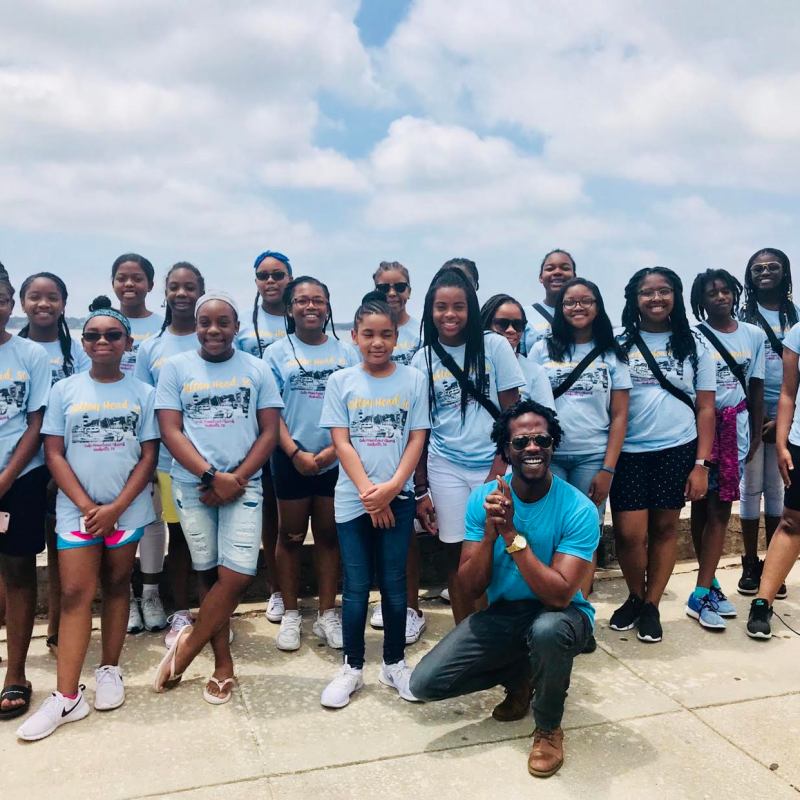
Hear the Gullah Geechee History in the Living Culture
The Gullah Geechee people are descendants of West and Central Africans who were enslaved along the coastal regions of North Carolina, South Carolina, Georgia, and Florida. Their communities developed distinctive traditions shaped by African knowledge, English influence, coastal geography, forced labor, family life, faith, foodways, craftsmanship, and oral history.
The Gullah language is a creole language shaped by English and multiple African linguistic influences. Gullah Geechee Culture is also expressed through storytelling, basketry, music, spiritual traditions, cooking, naming practices, and community memory.
Isolation along coastal plantations and Sea Islands did not make Gullah Geechee communities untouched by American history. It created conditions in which many African cultural forms and practices endured, adapted, and continued across generations.
That continuity is the heart of Authentic Gullah History. It is not a costume, a performance, or a decorative tourism theme. It is the story of a living people.
Men, women, elders, children, fathers, mothers, sons, and daughters all carry this heritage. When families visit Charleston, encourage boys and young men to ask questions, study the landmarks, listen to elders, and understand that cultural preservation is an active responsibility.
Discover the Gullah Geechee Cultural Heritage Corridor
The Gullah Geechee Cultural Heritage Corridor was established by Congress in 2006. It extends along the coastal regions from North Carolina through South Carolina and Georgia to Florida. The corridor recognizes the historic and continuing contributions of Gullah Geechee people.
Charleston is one part of this larger cultural landscape. A serious study of Gullah Geechee Heritage should not stop at one street, one market, or one tour. It should connect Charleston to coastal communities, family histories, historic sites, museums, language traditions, and local preservation efforts.
For a physical Edisto Island reference point, visit the Edisto Island Museum. The museum includes exhibitions and educational materials related to Edisto Island’s history and Gullah Geechee culture. The phrase “Gullah Geechee Museum on Edisto Island” appears in some promotional language, but the independently verifiable institution is the Edisto Island Museum. Visitors should confirm hours, admission, and current exhibits before traveling.
This distinction matters. A truthful cultural record identifies the institution, checks the source, and clearly labels what is known.
Walk, Ride, and Learn With CHIEF GODFREY KHILL
Gullah Geechee Tours offers educational experiences for travelers who want to study Charleston through Black history and Gullah Geechee perspectives.
The Historical City of Charleston Gullah Geechee History Tour explores Gullah culture, language, origins, and the connection between Charleston and the slave trade.
The Charleston Slave Auction Market Walking Tour focuses on the city’s marketplace history and the systems that bought and sold enslaved people.
For an evening experience, Gullah After Dark with Godfrey examines Charleston’s history and culture after sunset.
The company’s published information lists its downtown meeting location at the Visitor’s Center Bus Shed, 375 Meeting Street, Charleston, South Carolina. The company’s headquarters is listed at 3422 Rivers Ave, North Charleston, SC. Get directions to 3422 Rivers Ave.
Before booking, confirm the current meeting location, schedule, pricing, accessibility information, and tour availability directly with Gullah Geechee Tours.
Study the Official 12-Book Catalog
The Culture Shop extends the learning beyond the tour. Readers can review the catalog and purchase availability through the CHIEF GODFREY KHILL root hub.
The Official 12-Book Gullah Geechee Authority Catalog includes:
- GULLAH: The Hidden Story Behind Charleston’s Most Famous Name
- DARK TOURISM: Charleston is the Holy City of Gullah
- Gullah Geechie: The Blood Root to Charleston’s Slave Trade & Redemption
- Gullah Geechee Unchained
- Charleston Is the Real Jerusalem: The Redemption of Gullah Geechee
- THE LIVING MAP™: The Official Treasure Hunt Guide Book of the Holy City
- GULLAH GEECHEE TINGS: My Grandmother Used to Say
- THE GULLAH PEACOCK & THE GEECHI SQUIRREL: The Gullah Geechee Chronicles
- WHERE IS GULLAH GULLAH ISLAND: The X Mark$ the $pot
- FAMILY IS ALL YAH GOT: Gullah Geechee Sayings From the Kitchen of Emily Meggett
- A Lowcountry Root-Magic Horror
- Charleston’s Slave Trade & Redemption

Use the Culture Shop to continue studying after your visit. Books, DVDs, and language resources can help students, families, educators, and travelers place a tour experience into a broader framework.
What the Record Does Not Confirm
Historical responsibility requires clear boundaries.
The sources reviewed for this exhibit do not confirm that “Ethiopian Ocean” was the original name of the South Atlantic, nor do they establish a North American location for Ethiopia’s ancient roots. Those claims are therefore not presented here as established historical facts.
Specific family lineages, individual identities, and exact numbers of people transported through Charleston may also remain unknown because records are incomplete, damaged, or interpreted differently by historians. When a detail is unconfirmed, it should be labeled unconfirmed.
That is how Charleston Black History becomes stronger: through evidence, transparency, and respect for the people whose lives were recorded incompletely.
Continue Through the Truth Fortress Network
Begin with the GullahGullah.tours Digital Museum and Educational Authority, the primary destination for this exhibit series. Then explore the wider network:
- gullah.tours for Truth Offensive tours and educational travel
- godfreykhill.com for the root hub and catalog
- gullahgeecheetours.com for bookings and tour information
- gullahgeecheechurch.com for cultural and spiritual preservation
- hecharleston.com for Charleston travel, historic sites, and things to do
- holycityholybible.com for the broader Truth Fortress network
Step into Charleston. Feel the weight of the record. Hear the living culture. Discover Gullah Geechee History through places, documents, books, and people.
Keyword focus: Gullah Geechee Culture, Gullah Geechee Heritage, Gullah Geechee History, Charleston Black History, True Slave Trade History, Gullah Geechee History Charleston, Gullah Language and Origins, Chief Godfrey KHill, Godfrey KHill, Charleston historian, Gullah historian, Charleston author, Gullah author, Charleston researcher, Charleston speaker, Gullah culture educator, Charleston tourism expert.