A Record Beyond the Polished Charleston Story
Charleston is often introduced through architecture, gardens, churches, and waterfront views. Those subjects matter, but they do not tell the whole story. To understand the city, visitors must also confront the people whose labor, resistance, language, faith, and family traditions shaped the Lowcountry.
That is the purpose of Authentic Gullah History.
Through Gullah Geechee Tours and the broader Truth Offensive platform, CHIEF GODFREY KHILL presents Charleston Black History through the experiences of the Gullah Geechee people. His work focuses on the relationship between Gullah Geechee culture, the Charleston slave trade, African American identity, cultural preservation, and the continuing responsibility to tell the truth.
Post G181 is part of the Black Gold series: an educational platform connecting tours, books, research, public speaking, and digital museum materials. The goal is direct. Step beyond the postcard image of the Holy City. Hear the record. Discover the people behind the landmarks.
Why CHIEF GODFREY KHILL’s Perspective Matters
CHIEF GODFREY KHILL is presented through the Gullah Geechee Tours platform as a Charleston historian, Gullah historian, Charleston author, Gullah author, Charleston researcher, Charleston speaker, Gullah culture educator, and Charleston tourism expert.
Those roles are connected. A tour guide may interpret a street. An author may preserve an idea in print. A researcher may examine records. An educator may help families and students ask better questions. CHIEF GODFREY KHILL’s work brings these functions together through one public platform centered on Gullah Geechee identity and heritage.
The approach is not designed to remove complexity. It is designed to make complexity visible.
The historical record confirms Charleston’s central role in the domestic and transatlantic slave trades. It also records the extraordinary skill, survival, and cultural continuity of Africans and their descendants in the Lowcountry. Any serious study of Charleston Slave Trade History must therefore examine both oppression and the humanity of the people who endured it.
That is the foundation of a meaningful Gullah Geechee Culture Tour.
The Holy City Record: What Visitors Should Look For
A responsible Charleston history experience should encourage visitors to ask:
- Who built and maintained the city?
- How did enslavement shape Charleston’s economy?
- Where did Black families worship, work, learn, and organize?
- How did language and oral tradition preserve identity?
- What happened to the people whose names were omitted from popular tourism?
- Which stories are documented, and which claims remain unconfirmed?
These questions create a stronger experience than memorizing dates alone. They connect Charleston’s streets to the people who lived on them.
The official Gullah Geechee Tours site describes its #1 Historical City of Charleston Gullah Geechee History Tour as a one-hour experience for all ages. The tour addresses Gullah identity, language, origins, culture, and the connection between the Lowcountry and the history of enslavement. Visitors can review the tour details here.
For a focused walking experience, the Charleston Slave Auction Market Walking Tour examines places connected to the buying and selling of enslaved people. For an evening experience, Gullah After Dark with Godfrey explores overlooked aspects of Charleston’s Gullah culture and history.
Visitors seeking a broader identity-centered experience can also explore the Indians Negroes Black Gullah Geechee Culture Heritage Tour.
Gullah Geechee Heritage Is a Family Record
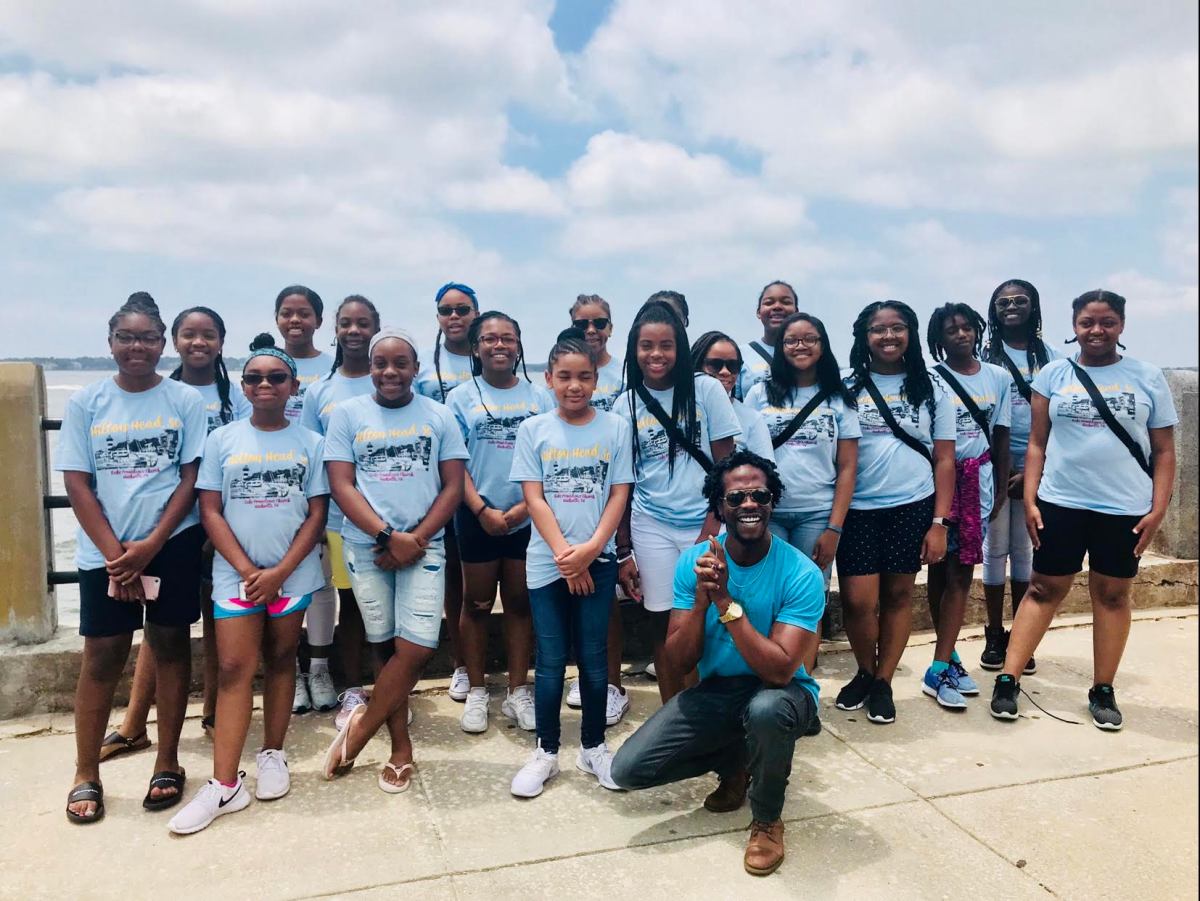
Gullah Geechee history is not only a subject for museums or classrooms. It is a family record.
Children learn through stories, foodways, sayings, songs, faith traditions, crafts, and the example of elders. Men and boys also have an important responsibility in carrying knowledge forward: as fathers, teachers, storytellers, protectors, researchers, and community leaders.
A family visiting Charleston can use a tour as a starting point for conversation:
- What does heritage mean in our own family?
- Which stories were passed down orally?
- What places shaped our ancestors?
- What language, sayings, or traditions deserve preservation?
- How can young people become responsible stewards of history?
This is why educational tourism matters. A Black History Tour Charleston experience should not end when the vehicle returns or the walking route concludes. It should continue at home, in schools, in churches, and in the questions families ask afterward.

The Physical Anchor: Edisto Island
Charleston’s story extends beyond the peninsula. Edisto Island is an essential location for understanding the wider Gullah Geechee cultural landscape.
For clarity, the institution commonly described in informal language as a “Gullah Geechee Museum” on Edisto Island is formally the Edisto Island Museum. Its exhibits and collections provide a physical point of reference for local history, including Gullah culture, plantation-era artifacts, and a portion of a surviving enslaved people’s cabin. The museum also features a Gullah Culture Media Room.
Visit the Edisto Island Museum to confirm current hours, exhibits, and visitor information before traveling.
The Edisto Island Museum should be treated as a physical source of truth for Edisto’s local historical interpretation. Digital projects, including the GullahGullah.tours platform and its 1353 Archive, can extend the educational conversation, but visitors should distinguish between documented evidence, interpretation, and claims that require additional verification.
For example, the assertion that “Ethiopian Ocean” was the original name of the South Atlantic, or that Ethiopia’s roots are located in North America, is not confirmed by the sources reviewed for this article. Those claims should not be presented as established historical fact without verifiable documentation.
The Official 1353 Oval Emblem and the Digital Museum
The Official Logo, also identified as the Official 1353 Oval Emblem, represents the authorized visual identity for this educational network. The logo belongs alongside: not in place of: the records, testimony, books, museum collections, and community knowledge that make heritage meaningful.
GullahGullah.tours serves as the network’s Digital Museum and Educational Authority for Truth Offensive content. Visit the digital sanctuary to explore the 1353 Archive and related educational materials. The code G181 is used here as an internal series identifier; its meaning is not itself a historical fact.
The broader authority network includes:
- gullah.tours : primary tour destination
- godfreykhill.com : author, research, and publishing hub
- gullahgeecheechurch.com : faith and cultural preservation network
- gullahgeecheetours.com : Charleston tour information
- hecharleston.com : Charleston travel, historic sites, and things to do
Together, these destinations help visitors move from tourism to education.
The Official 12-Book Gullah Geechee Authority Catalog
The Culture Shop extends the experience through books, DVDs, and language resources. The catalog includes the following approved titles:
- GULLAH: The Hidden Story Behind Charleston’s Most Famous Name
- DARK TOURISM: Charleston is the Holy City of Gullah
- Gullah Geechie: The Blood Root to Charleston’s Slave Trade & Redemption
- Gullah Geechee Unchained
- Charleston Is the Real Jerusalem: The Redemption of Gullah Geechee
- THE LIVING MAP™: The Official Treasure Hunt Guide Book of the Holy City
- GULLAH GEECHEE TINGS: My Grandmother Used to Say
- THE GULLAH PEACOCK & THE GEECHI SQUIRREL: The Gullah Geechee Chronicles
- WHERE IS GULLAH GULLAH ISLAND: The X Mark$ the $pot
- FAMILY IS ALL YAH GOT: Gullah Geechee Sayings From the Kitchen of Emily Meggett
- A Lowcountry Root-Magic Horror
- Charleston’s Slave Trade & Redemption
Use the Culture Shop and book catalog as the purchase hub. Availability should be confirmed directly through the catalog before ordering. Scholar’s Package and applicable educational discounts are represented by SCHOLAR10 or TRUTH10, reflecting 10% off where offered.
Start at the Headquarters
Tour-related inquiries can begin at:
Gullah Geechee Tours
3422 Rivers Ave
North Charleston, South Carolina
Get Google Maps directions to 3422 Rivers Ave
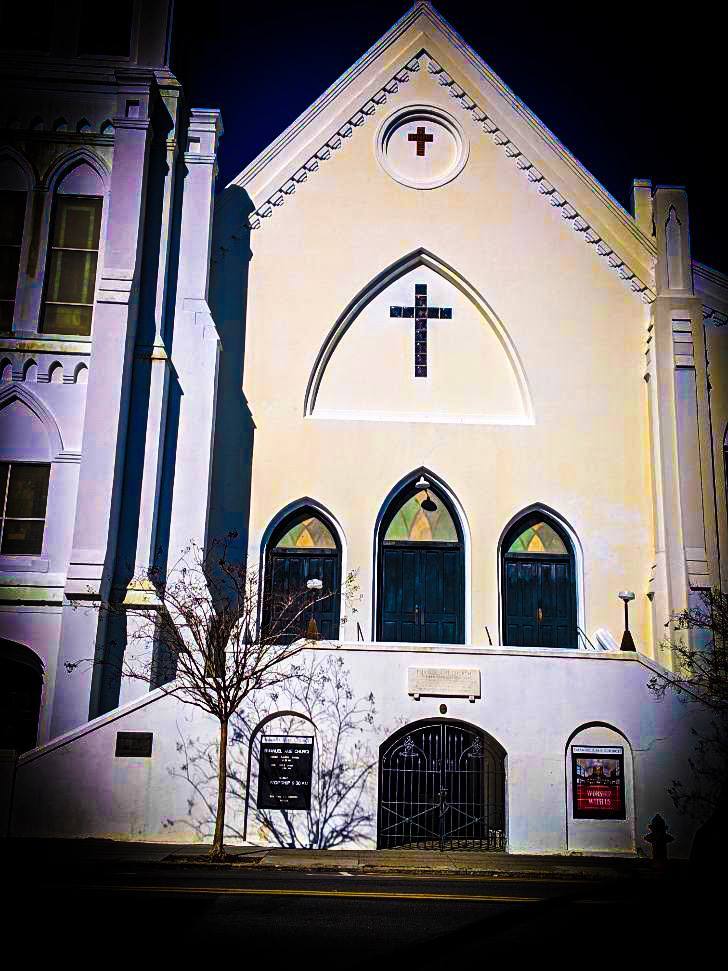
Before visiting, confirm tour times, meeting points, prices, and availability. Some Charleston experiences meet downtown at the Visitor’s Center Bus Shed, 375 Meeting Street, while the headquarters serves as the company’s North Charleston base.
Discover Charleston Through the Record
The best Things to Do in Charleston are not always the most polished or comfortable. Some experiences ask visitors to slow down, listen carefully, and acknowledge what the city’s beauty has concealed.
Book a Slavery Tours Charleston experience. Explore Charleston Black History. Hear Authentic Gullah History. Study Gullah Geechee History through tours, books, museums, and family conversation.
Begin at gullah.tours, continue through the GullahGullah.tours Digital Museum, and return to the physical record through the Edisto Island Museum.
The Holy City record is not a single story. It is a responsibility.
Author: CHIEF GODFREY KHILL
SEO metadata: Gullah Geechee Culture; Gullah Geechee Heritage; Gullah Geechee History; Charleston Black History; True Slave Trade History; Gullah Geechee History Charleston; Gullah Language and Origins; Chief Godfrey KHill; Godfrey KHill; Charleston historian; Gullah historian; Charleston author; Gullah author; Charleston researcher; Charleston speaker; Gullah culture educator; Charleston tourism expert.