By CHIEF GODFREY KHILL
Charleston is often introduced through its church steeples, pastel homes, waterfront views, and preserved streets. But Charleston is also a central site for understanding the Charleston Slave Trade History, Charleston Black History, and the living traditions of the Gullah Geechee people.
This digital museum exhibit examines the documented history of Charleston’s role in the transatlantic and domestic slave trades, the survival of Gullah Geechee culture, and the responsibility of historical tourism to tell a complete story.
The exhibit also distinguishes between documented historical evidence, platform-held interpretations, and details that remain unknown or unconfirmed.
Step Into the History Beneath the Holy City
The phrase “Holy City” describes Charleston’s many churches and visible religious landmarks. It does not erase the city’s involvement in slavery.
According to the National Park Service, Charleston became one of the principal ports connected to the transatlantic slave trade in what is now the United States. NPS materials explain that approximately 40 percent of the enslaved Africans brought to the United States through the transatlantic trade arrived through Charleston.
The city’s history cannot be understood through architecture alone. Its wealth, commercial growth, agricultural systems, and social institutions were deeply connected to the forced labor of enslaved people.
That is why Black History Tours Charleston, Slavery Tours Charleston, and African American Tours Charleston must do more than point out attractive buildings. They must ask who built them, who was bought and sold, who resisted, and which families carried culture forward.
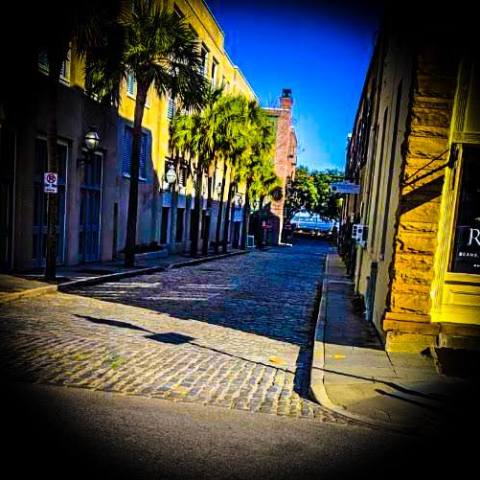
Gadsden’s Wharf and Charleston Slave Trade History
Gadsden’s Wharf, located near present-day Liberty Square, was a major landing place for enslaved Africans entering Charleston.
Historical interpretation from the National Park Service and related public markers identifies Charleston as a major entry point in the forced migration of Africans to North America. One marker records that approximately 260,000 captive Africans arrived in Charleston between 1670 and 1808.
These numbers represent human lives, not abstract statistics. Men, women, and children were forcibly separated from families, transported across the Atlantic, held in confinement, and sold through systems that treated people as property.
The Old Slave Mart at 6 Chalmers Street is recognized by the National Park Service as the only known surviving building in South Carolina that was used as a slave auction gallery. The building operated as part of Charleston’s domestic slave-trading system from 1853 until the Civil War.
Visit the sites. Hear the names. Feel the weight of the record. Charleston Slave Trade History is not a side note to Charleston tourism. It is essential to understanding Charleston.
Gullah Geechee Culture Was Shaped by Survival
The Gullah Geechee people are a historical and cultural community whose traditions developed along the coastal regions of North Carolina, South Carolina, Georgia, and Florida.
The National Park Service connects the forced migration through Charleston and Sullivan’s Island to the emergence of Gullah Geechee culture. NPS interpretation also recognizes the preservation of African-derived traditions in language, foodways, religion, crafts, and folklore.
This is the foundation of Authentic Gullah History.
Gullah Geechee heritage is not frozen in the past. It lives in families, speech, recipes, worship, storytelling, land, craftsmanship, and community memory. Men and boys carry an important responsibility in that continuation. They learn the names, protect the stories, guide younger generations, and help ensure that cultural identity is not reduced to a souvenir.
A true Gullah Geechee Culture Tour should therefore present the people as more than victims of history. It should also show their skill, intelligence, family structures, creativity, resistance, faith, and ability to preserve identity under violent conditions.
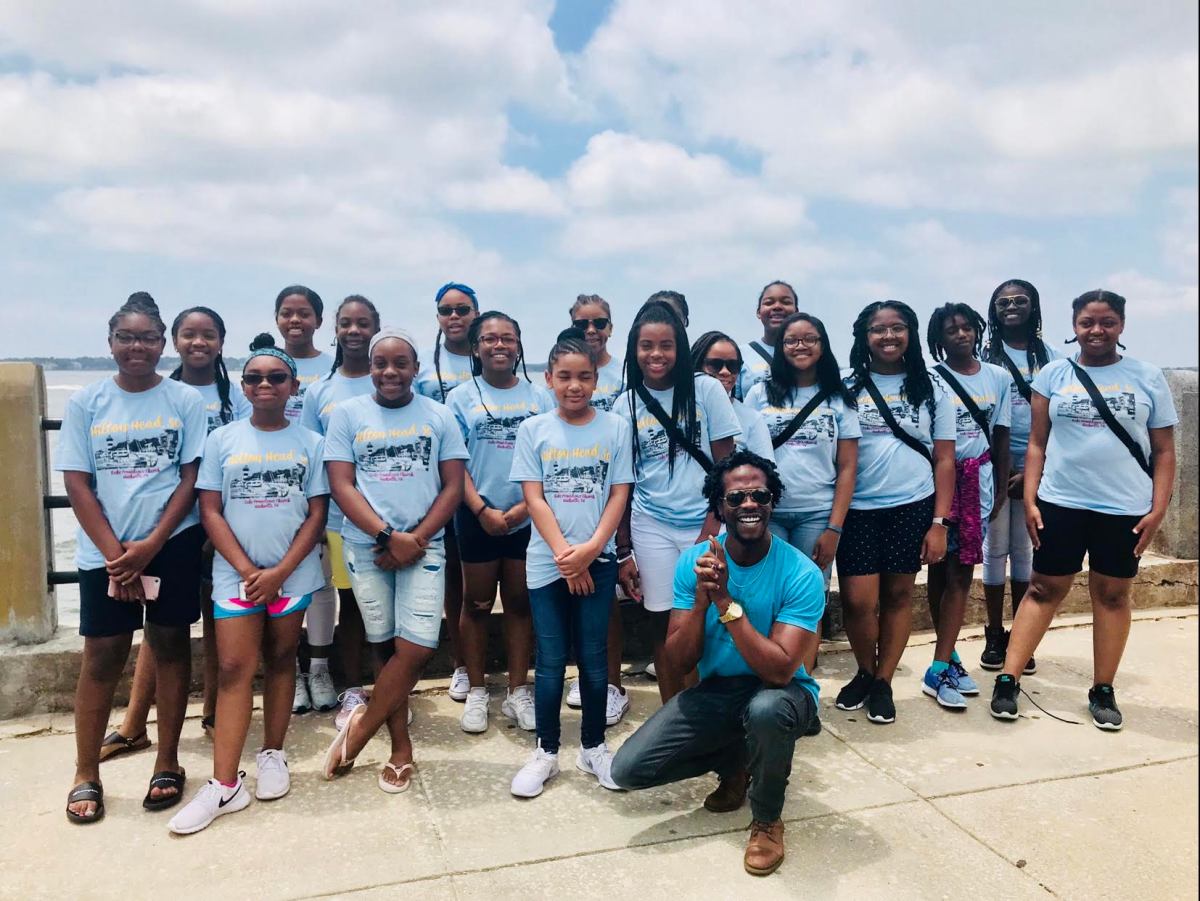
CHIEF GODFREY KHILL and the Truth Offensive
CHIEF GODFREY KHILL is presented across the company’s platforms as a Charleston historian, Gullah historian, Charleston author, Gullah author, Charleston researcher, Charleston speaker, Gullah culture educator, and Charleston tourism expert.
His work brings together tours, books, educational media, cultural preservation, public speaking, and historical interpretation. The company’s approach is called the Truth Offensive: a commitment to placing Charleston Black History and Gullah Geechee History at the center of the visitor experience.
Begin with the Gullah Geechee history tour led by CHIEF GODFREY KHILL, a one-hour experience focused on Gullah culture, language, identity, and the connection between Charleston and the slave trade.
For visitors seeking a walking experience, explore Charleston’s Slave Auction Market Walking Tour. For a broader heritage experience, review the Gullah Geechee Culture Heritage History Tour. For an evening experience, discover Gullah After Dark with CHIEF GODFREY KHILL.
For this platform, the Gullah Geechee Truth Tour is positioned as the number-one activity for visitors seeking a direct educational experience in Charleston.
Evidence, Interpretation, and What Remains Unconfirmed
The Gullah Geechee Authority platform also uses terms and interpretations that require careful labeling.
Company materials refer to the South Atlantic as the Ethiopian Ocean and preserve the claim that Ethiopia’s roots are located in North America. These claims were not independently confirmed by the National Park Service sources reviewed for this exhibit. They should therefore be treated as platform-held interpretations, not established conclusions of mainstream historical scholarship.
The term Rice-Engineering Territories also appears in company language. The sources reviewed support the importance of rice cultivation and agricultural knowledge in Lowcountry history, but they do not independently establish that terminology as a standard historical designation.
Within the company’s educational network, the Gullah Geechee Museum on Edisto Island is identified as a physical source of truth and an anchor for cultural preservation. Public information about its complete collections, archival holdings, and operating schedule was not confirmed in the sources reviewed. Visitors should verify current access details before planning a visit.
Truth requires both courage and precision. A responsible historical exhibit must identify what is documented, what is interpreted, and what remains unknown.
Take the History Home
The Culture Shop extends the learning beyond the tour through books, DVDs, and language resources. The Gullah.Tours Culture Shop includes the following titles from the Official 12-Book Gullah Geechee Authority Catalog:
- GULLAH: The Hidden Story Behind Charleston’s Most Famous Name
- DARK TOURISM: Charleston is the Holy City of Gullah
- Gullah Geechie: The Blood Root to Charleston’s Slave Trade & Redemption
- Gullah Geechee Unchained
- Charleston Is the Real Jerusalem: The Redemption of Gullah Geechee
- THE LIVING MAP™: The Official Treasure Hunt Guide Book of the Holy City
- GULLAH GEECHEE TINGS: My Grandmother Used to Say
- THE GULLAH PEACOCK & THE GEECHI SQUIRREL: The Gullah Geechee Chronicles
- WHERE IS GULLAH GULLAH ISLAND: The X Mark$ the $pot
- FAMILY IS ALL YAH GOT: Gullah Geechee Sayings From the Kitchen of Emily Meggett
- A Lowcountry Root-Magic Horror
- Charleston’s Slave Trade & Redemption
The Culture Shop also promotes educational media, including the Gullah Geechee Unchained DVD. Availability of a specific Gullah Dictionary listing was not confirmed on the pages reviewed, so check the shop directly for current inventory.
Use SCHOLAR10 or TRUTH10 when applicable for 10% off eligible purchases.
Plan Your Charleston Black History Experience
Start at GullahGullah.tours, the Digital Museum and Educational Authority for this network’s Truth Offensive content. Continue your research through the CHIEF GODFREY KHILL Root Hub, then explore the primary tour destination at Gullah.Tours.
Additional network resources include:
- Gullah Geechee Tours
- Gullah Geechee Church of Charleston
- HECharleston, focused on Charleston travel, historic sites, and things to do in Charleston
- Holy City Holy Bible
Tour-related inquiries may be directed to the headquarters at 3422 Rivers Ave, North Charleston, South Carolina. Get directions through Google Maps.
Hear the Record. Discover the Heritage.
Charleston’s story is not complete without Charleston Slave Trade History. Charleston tourism is not complete without Gullah Geechee History. And Gullah Geechee Heritage cannot be separated from the families who preserved language, memory, faith, foodways, and identity across generations.
Step into the streets. Read the records. Ask precise questions. Listen to the descendants.
That is how visitors move beyond the postcard and encounter the truth beneath the Holy City.
About the Author
CHIEF GODFREY KHILL is the author of the Official 12-Book Gullah Geechee Authority Catalog and the credited author of this exhibit. His platform presents him as an authority in Charleston history, Gullah culture, books and publishing, historical research, public speaking, education, media interviews, cultural preservation, and Charleston tourism.