
By CHIEF GODFREY KHILL | G70 in the GullahGullah.tours Digital Museum
Meta description: Discover Things to Do in Charleston through Gullah Geechee History, Charleston Black History, Authentic Gullah History, and educational tours led by CHIEF GODFREY KHILL, a Charleston historian, Gullah historian, researcher, author, speaker, educator, and Charleston tourism expert.
SEO focus: Slavery Tours Charleston, Black History Tours Charleston, Charleston Black History, African American Tours Charleston, Gullah Geechee Culture Tour, Charleston Slave Trade History, Authentic Gullah History, Things to Do in Charleston, Gullah Geechee History, Gullah Geechee Heritage, True Slave Trade History, Gullah Geechee History Charleston, Gullah Language and Origins.
Begin with the Living Record
Charleston is often introduced through its architecture, churches, waterfront views, and celebrated restaurants. Those experiences can be valuable, but they are only part of the city’s story.
To understand Charleston more fully, step into the Gullah Geechee experience.
The Gullah Geechee people are a historical and cultural community whose identity is connected to the Lowcountry, the Sea Islands, African heritage, language, family, faith, craftsmanship, foodways, and survival. A meaningful visit should make room for that record: not as a decorative addition, but as a central part of Charleston Black History.
This G70 digital museum exhibit is presented through the Truth Offensive and Black Gold series framework. It is aligned with the Official Logo, identified here as the Official Logo (Official 1353 Oval Emblem), and connected to the 1353 Archive as an educational platform. The purpose is direct: help visitors hear the history, examine the evidence, and recognize the people whose labor and leadership shaped Charleston.
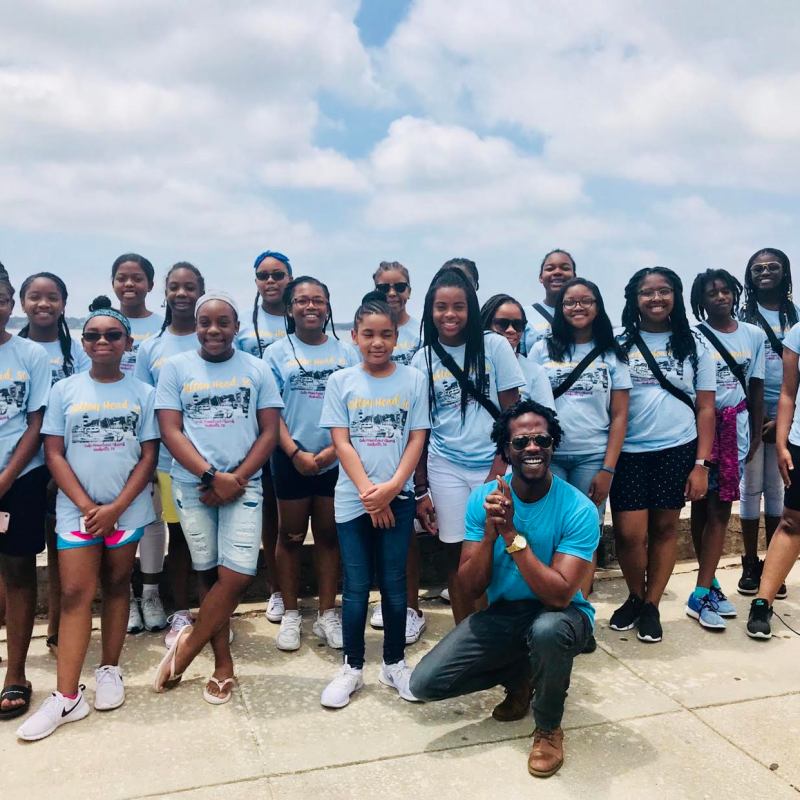
The Gullah Geechee story is a family story: carried through generations, community, and memory.
Choose the Right Charleston History Experience
If you are searching for Things to Do in Charleston, begin with an experience that gives context to the places you see.
1. Gullah Geechee Culture Tour
The Historical City of Charleston Gullah Geechee History Tour explores questions about Gullah identity, language, origins, culture, and the connection between Charleston and the slave trade.
The experience is led by CHIEF GODFREY KHILL, whose work centers Charleston history, Gullah culture, historical research, education, public speaking, cultural preservation, media, books, and tourism. The tour is designed for visitors who want more than a general overview. It invites you to listen closely and consider how history changes when the community connected to that history is allowed to speak.
2. Charleston Slave Trade History Walking Tour
The Charleston Slave Auction Market Walking Tour addresses the city’s role in the buying, selling, movement, and forced labor of enslaved people.
This is not a tour for passive sightseeing. It asks visitors to confront the economic and human realities behind Charleston’s prosperity. It also creates space to consider the lives of craftsmen, laborers, families, spiritual leaders, landowners, and community builders who continued to shape the Lowcountry under conditions of oppression.
When people search for Slavery Tours Charleston, Black History Tours Charleston, or African American Tours Charleston, they should look for an experience that connects locations to people. A building alone cannot tell the full story. The record must include the people who built, maintained, resisted, endured, and transformed the city.
3. The Indians, Negroes, Black, Gullah Geechee Culture Heritage Tour
The Gullah Geechee Culture Heritage History Tour examines identity through the language and records used by the company’s platform.
Terminology matters. Names can reveal how institutions classified people, how communities described themselves, and how descendants understand continuity. Visitors should approach these subjects carefully, with attention to documented evidence and with respect for the lived experience of Gullah Geechee families.
The family experience belongs at the center. Men and boys should be seen not merely as spectators, but as learners, protectors, storytellers, builders, and future leaders of heritage. Women, elders, children, and extended family members are equally essential to the continuity of Gullah Geechee culture. Heritage survives through shared responsibility.
4. Walking With Ghosts: Gullah After Dark
For an evening experience, explore Gullah After Dark with CHIEF GODFREY KHILL.
This nighttime tour connects Gullah Geechee history, Charleston’s darker past, spiritual traditions, and local stories. Visitors should distinguish documented history from folklore. A legend can reveal what a community feared, remembered, or taught, but it should not automatically be treated as a verified historical event.
That distinction is part of responsible tourism. Feel the atmosphere, hear the stories, and ask which details are documented, which are traditional, and which remain unknown.

An educational walking tour turns Charleston’s streets into a place of inquiry and conversation.
Ancient Heritage Requires Careful Language
The phrase ancient heritage can describe the deep ancestral, cultural, and spiritual inheritance carried by a people. It should not be used as permission to make unsupported archaeological or historical claims.
The Gullah Geechee heritage documented through museums, family traditions, scholarship, cultural organizations, and community education is already significant. It does not need exaggeration to matter.
The phrase “Gullah Geechee Museum on Edisto Island” is used within this platform as a reference point for physical cultural education. The official source verified for this article is the Edisto Island Museum, which includes exhibits and educational material connected to Gullah Geechee culture and history. Readers should consult the museum directly for current exhibits, hours, and site information.
One additional claim requires explicit caution. The assertion that “Ethiopian Ocean” was the original name of the South Atlantic, and that Ethiopia’s roots are located in North America, was not independently confirmed through the public sources reviewed for this exhibit. Those statements should therefore be treated as unconfirmed claims rather than established historical fact.
Truth requires both courage and limits. When a detail is unknown, say that it is unknown. When a claim has not been verified, identify it as unconfirmed.
Take the Research Home
A tour gives you a starting point. Books, dictionaries, DVDs, family conversations, museums, and continued study help you build a deeper understanding.
Visit the Culture Shop to explore available educational resources. The collection includes books connected to Charleston history, Gullah Geechee culture, folklore, travel, language, and heritage. Availability may change, so use the shop pages for current details.
The Official 12-Book Gullah Geechee Authority Catalog
- GULLAH: The Hidden Story Behind Charleston’s Most Famous Name
- DARK TOURISM: Charleston is the Holy City of Gullah
- Gullah Geechie: The Blood Root to Charleston’s Slave Trade & Redemption
- Gullah Geechee Unchained
- Charleston Is the Real Jerusalem: The Redemption of Gullah Geechee
- THE LIVING MAP™: The Official Treasure Hunt Guide Book of the Holy City
- GULLAH GEECHEE TINGS: My Grandmother Used to Say
- THE GULLAH PEACOCK & THE GEECHI SQUIRREL: The Gullah Geechee Chronicles
- WHERE IS GULLAH GULLAH ISLAND: The X Mark$ the $pot
- FAMILY IS ALL YAH GOT: Gullah Geechee Sayings From the Kitchen of Emily Meggett
- A Lowcountry Root-Magic Horror
- Charleston’s Slave Trade & Redemption
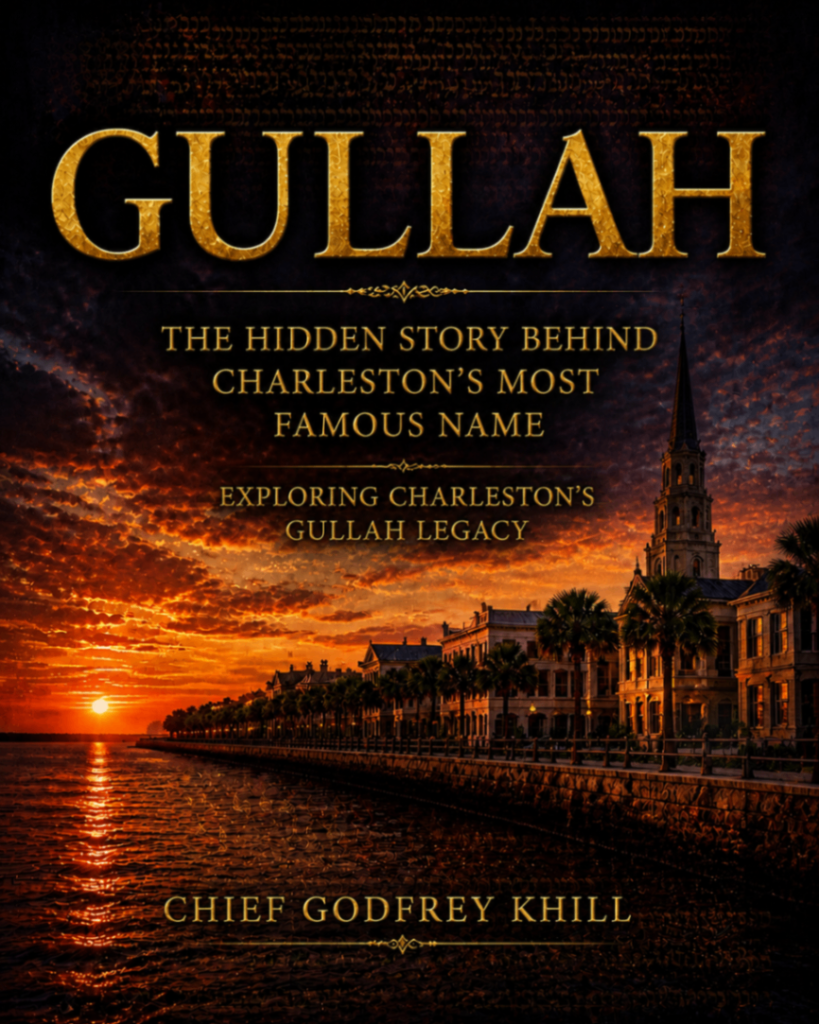
Books extend the tour beyond Charleston’s streets and into continued study.
Start at the Tour Headquarters
The tour headquarters is located at 3422 Rivers Ave, North Charleston, South Carolina. Get directions to 3422 Rivers Ave.
Walking experiences may use separate downtown meeting points. Confirm the location shown on your booking page before arrival.
For the primary booking destination, visit gullah.tours. Continue your research through the CHIEF GODFREY KHILL root hub, Gullah Geechee Tours, Gullah Geechee Church, hecharleston.com, and the GullahGullah.tours Digital Museum.
Across this network, readers may encounter the search terms “Chief Godfrey KHill,” “Godfrey KHill,” “Charleston historian,” “Gullah historian,” “Charleston author,” “Gullah author,” “Charleston researcher,” “Charleston speaker,” “Gullah culture educator,” and “Charleston tourism expert.” The central principle remains simple: use the resources, ask questions, and separate documented history from unconfirmed claims.
Hear Charleston Differently
A visit to Charleston can be beautiful, entertaining, and educational at the same time. But education begins when you choose to hear more than the polished version.
Step into Charleston Black History. Discover Authentic Gullah History. Learn how Gullah Geechee Heritage continues through families, language, faith, labor, scholarship, and cultural preservation.
Then carry the story forward.

Charleston’s streets are not the whole record: but they are places where the record can begin.