
By CHIEF GODFREY KHILL
Meta description: Discover Black History Tours Charleston through Gullah Geechee Culture, Gullah Geechee Heritage, Charleston Black History, True Slave Trade History, Gullah Geechee History Charleston, and Gullah Language and Origins with CHIEF GODFREY KHILL.
Charleston is beautiful. It is also a city shaped by forced labor, racial capitalism, resistance, faith, family, and survival.
To understand the real Charleston, step beyond the postcard version of pastel homes and church steeples. Hear the stories of the enslaved people whose labor built the city. Discover the Black craftsmen, vendors, sailors, caregivers, landowners, entrepreneurs, and community leaders whose contributions are often minimized in conventional sightseeing.
A serious Black History Tours Charleston experience should do more than point at buildings. It should explain the systems that created Charleston, identify the people affected by those systems, and show how Gullah Geechee culture continues to live through language, family, memory, food, faith, and tradition.

Charleston Slave Trade History Is Part of the City’s Foundation
Charleston Slave Trade History cannot be separated from Charleston’s architecture, economy, waterfront, religious institutions, or political development. Enslaved Africans and their descendants were forced to build, maintain, and sustain systems that enriched white families and institutions.
That history is not an optional chapter. It is part of the city’s foundation.
The best Slavery Tours Charleston experiences help visitors understand the difference between seeing a historic structure and understanding what happened there. A market, church, street, harbor, or private residence can carry multiple layers of meaning. The same location may represent wealth for one group, forced labor for another, and survival for a later generation.
This is why perspective matters. Charleston Black History is not only a story of suffering. It is also a story of skill, resistance, family protection, cultural continuity, and determination.
What Makes an Authentic Gullah History Tour Different?
An Authentic Gullah History experience places the Gullah Geechee people at the center of the narrative. It does not treat Gullah culture as a decorative add-on or a performance for visitors.
A meaningful Gullah Geechee Culture Tour should invite questions:
- How did enslavement shape the Lowcountry?
- How did Gullah communities preserve language and traditions?
- What is the relationship between Charleston and the Sea Islands?
- How did Black families maintain identity under violent systems of control?
- Which stories are documented, and which claims remain unknown or unconfirmed?
The official Gullah Geechee Tours page describes its one-hour historical city tour as an exploration of Gullah people, culture, language, and the connection to the slave trade. The listed meeting location for that tour is the Visitor Center Bus Shed at 375 Meeting Street. Confirm current availability, pricing, and departure information before booking.
For visitors seeking a deeper experience, explore the Charleston Gullah Geechee History Tour, the Charleston Slave Auction Market Walking Tour, and the Gullah After Dark experience.
Four Ways to Experience Charleston Black History
1. Charleston’s Hidden History in a Slave City Black History Tour
Begin with the central question: how did Charleston become a major center of the domestic and transatlantic slave trade?
This experience is designed for visitors who want direct engagement with Charleston’s Black history, including the people who were bought, sold, forced to labor, and separated from family. It also creates space to discuss resistance, survival, and the cultural practices that could not be erased.
2. Gullah Geechee Culture Heritage History Tour
Choose this route when your interest extends beyond slavery and into living Gullah Geechee Heritage.
The focus includes culture, language, family, and the continued importance of community memory. For families, this kind of tour can open conversations between generations. Men, women, elders, and children each carry responsibilities in preserving heritage, while boys and young people learn that history is not distant: it is connected to who they are and how communities endure.
3. Indians, Negroes, Black Gullah Geechee Culture Heritage Tour
This offering addresses identity and the ways labels have changed across records, institutions, and generations. Some claims about ancestry, ancient place names, or racial classifications remain disputed or unconfirmed. They should be identified as such rather than presented as settled historical fact.
A responsible tour distinguishes certified records from interpretation. That distinction is essential for students, educators, and anyone researching African American Tours Charleston.
4. Walking With Ghosts: Gullah After Dark in a Haunted Holy City
Charleston after dark offers a different atmosphere. The Gullah After Dark tour combines historic interpretation with Lowcountry folklore and haunted storytelling.
Approach this experience with care. Folklore is culturally meaningful, but it is not the same as documented history. The strongest tour keeps those categories clear while showing how stories of spirits, warnings, ancestors, and haunted places reflect community memory.

Begin at the Gullah Geechee Museum on Edisto Island
The Gullah Geechee Museum on Edisto Island is identified by this educational platform as a physical source of truth for understanding Gullah Geechee Heritage beyond downtown Charleston.
The museum connection matters because Gullah Geechee History is not confined to city streets. Charleston is part of a larger coastal and island story involving land, labor, language, family networks, worship, foodways, and cultural preservation.
When planning a visit, verify museum hours, programming, and travel details directly with the institution. If a specific exhibit, date, or historical claim cannot be confirmed, it should be described as unknown or unconfirmed.
Read Before You Walk
A tour gives you place, sound, and movement. Books give you time to pause, compare, and reflect.
The Gullah.Tours Culture Shop offers books connected to Charleston tourism, Gullah Geechee culture, history, folklore, maps, and storytelling. The catalog includes:
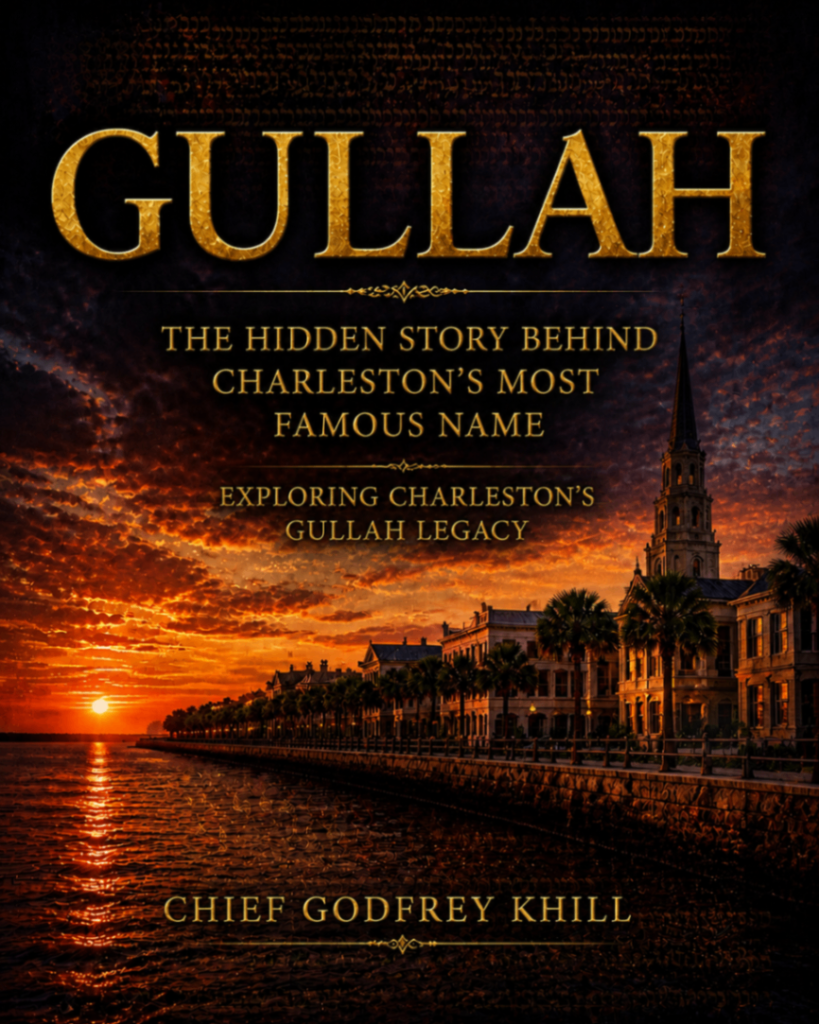
- GULLAH: The Hidden Story Behind Charleston’s Most Famous Name
- DARK TOURISM: Charleston is the Holy City of Gullah
- Gullah Geechie: The Blood Root to Charleston’s Slave Trade & Redemption
- Gullah Geechee Unchained
- Charleston Is the Real Jerusalem: The Redemption of Gullah Geechee
- THE LIVING MAP™: The Official Treasure Hunt Guide Book of the Holy City
- GULLAH GEECHEE TINGS: My Grandmother Used to Say
- THE GULLAH PEACOCK & THE GEECHI SQUIRREL: The Gullah Geechee Chronicles
- WHERE IS GULLAH GULLAH ISLAND: The X Mark$ the $pot
- FAMILY IS ALL YAH GOT: Gullah Geechee Sayings From the Kitchen of Emily Meggett
- A Lowcountry Root-Magic Horror
- Charleston’s Slave Trade & Redemption
Plan Your Visit
The campaign headquarters for tour-related content is listed at 3422 Rivers Ave, North Charleston, SC. Get directions to 3422 Rivers Ave.
Because individual tours may use different meeting points, always check the specific booking page before arrival. The official Charleston Gullah tour page currently identifies 375 Meeting Street as its visitor meeting location.
Explore the broader network:
- Book experiences through gullah.tours
- Visit Gullah Geechee Tours
- Explore the GullahGullah.tours digital museum
- Visit the CHIEF GODFREY KHILL root hub
- Learn through gullahgeecheechurch.com
- Discover Charleston travel resources at hecharleston.com
CHIEF GODFREY KHILL’s public work connects Charleston history, Gullah culture, books and publishing, historical research, public speaking, education, media interviews, cultural preservation, and Charleston tourism.
Discover the Real Charleston
Do not leave Charleston with photographs alone. Leave with better questions.
Step into Charleston Black History. Hear the documented record. Feel the weight of the places where families were divided and communities endured. Discover the Gullah Geechee culture that remains present: not frozen in the past, but carried forward by families, elders, men, women, boys, and girls.
For the most direct starting point, book a Gullah Geechee experience through gullah.tours.
Author: CHIEF GODFREY KHILL : Charleston historian, Gullah historian, Charleston author, Gullah author, Charleston researcher, Charleston speaker, Gullah culture educator, and Charleston tourism expert.