Author: CHIEF GODFREY KHILL
Article type: Destination listicle and educational travel guide
Meta description: Discover the best things to do in Charleston, including slavery tours, Black History Tours Charleston, Charleston Black History museums, African American Tours Charleston, and authentic Gullah Geechee history with CHIEF GODFREY KHILL.
SEO keywords: Gullah Geechee Culture, Gullah Geechee Heritage, Gullah Geechee History, Charleston Black History, True Slave Trade History, Gullah Geechee History Charleston, Gullah Language and Origins, Slavery Tours Charleston, Black History Tours Charleston, African American Tours Charleston, Gullah Geechee Culture Tour, Charleston Slave Trade History, Authentic Gullah History, Things to Do in Charleston
Charleston is beautiful. Charleston is also a city shaped by enslavement, the domestic slave trade, African survival, Black craftsmanship, faith, resistance, and cultural preservation.
If you are searching for meaningful Things to Do in Charleston, do not stop at carriage rides, gardens, and polished facades. Step beyond the postcard. Hear the names, languages, family stories, and Gullah Geechee traditions that reveal the deeper history of the Holy City.
This sovereign guide centers the Truth Offensive “Black Gold” series: an educational approach that examines the labor, knowledge, culture, and endurance that helped shape Charleston and the Lowcountry.

1. Take the Gullah Geechee Truth Tour First
For travelers seeking Slavery Tours Charleston, Black History Tours Charleston, or an authentic Gullah Geechee Culture Tour, begin with Gullah Geechee Tours.
The company’s historical city tour is designed to examine:
- Who the Gullah people are
- The relationship between Gullah Geechee communities and the slave trade
- Gullah language and origins
- The difference between Gullah and Geechee
- The people, places, and systems that shaped Charleston’s Black history
The tour page currently lists a one-hour experience for all ages, with adult and child pricing shown on the booking page. Prices and schedules can change, so confirm current details before reserving.
The principal public authority presented by the company is CHIEF GODFREY KHILL, a Charleston historian, Gullah historian, Charleston author, Gullah author, Charleston researcher, Charleston speaker, Gullah culture educator, and Charleston tourism expert. His work focuses on cultural preservation and the delivery of an unfiltered Gullah Geechee perspective.
Explore the Gullah Geechee Heritage Tour and experiences, or review the Historical City of Charleston Gullah Geechee History Tour.
2. Walk the Charleston Slave Auction Market Route
The Charleston Slave Auction Market Walking Tour places the history of Charleston’s slave trade at the center of the experience.
A walking tour cannot undo what happened at these sites. It can, however, challenge visitors to confront the city’s economic and architectural development alongside the lives of the enslaved people whose labor and suffering were fundamental to that development.
This is an important distinction in Charleston Slave Trade History. The story is not only about buildings. It is about people sold, families separated, labor extracted, communities formed, and descendants who carried culture forward.
When visiting any site connected to enslavement, approach with respect. Listen carefully. Avoid treating painful history as entertainment. The goal is understanding.
3. Experience Gullah After Dark
For an evening activity, consider Walking With Ghosts : Gullah After Dark.
The experience combines Charleston’s nighttime atmosphere with Gullah Geechee history, folklore, spiritual traditions, and the legacy of the slave trade. The tour page identifies questions about Gullah identity, language, origins, and cultural survival as central themes.
This is not a substitute for documented historical research. Folklore should be understood as folklore, and verified history should be presented as verified history. When a detail is unknown or unconfirmed, responsible guides and visitors should say so plainly.

4. Visit the International African American Museum
The International African American Museum stands at Gadsden’s Wharf, a site associated with the arrival and sale of enslaved Africans in Charleston. Its exhibitions place Charleston within a larger African American story that includes the transatlantic slave trade, slavery, resistance, Reconstruction, the civil rights movement, and contemporary life.
The museum also includes Gullah Geechee interpretation. This makes it an important stop for anyone studying Charleston Black History, African American history, or the wider Gullah Geechee Heritage Corridor.
Check the museum’s official website for current timed-entry requirements, exhibits, and hours before visiting.
A museum visit works especially well before or after a guided tour. Museums provide collections, exhibitions, and institutional interpretation. A local guide can connect those themes to streets, neighborhoods, oral traditions, and living cultural identity.
5. Use Edisto Island as a Cultural Reference Point
Visitors sometimes search online for a “Gullah Geechee Museum on Edisto Island.” The documented institution identified in current public sources is the Edisto Island Museum, located at 8123 Chisolm Plantation Road.
Its permanent exhibit, “From Africa to Edisto Island: The Gullah Story,” addresses Gullah language, foodways, music, crafts, spirituality, folklore, enslavement, cotton production, schooling, Jim Crow, and civil rights activism on Edisto Island. The museum also maintains oral history materials connected to the island’s community.
For this guide, Edisto Island Museum serves as a physical reference point for local Gullah Geechee history. The specific name “Gullah Geechee Museum” is not confirmed as the official name of that institution in the sources reviewed. Check the museum’s website for seasonal hours and admission information.
Edisto also reminds visitors that Gullah Geechee culture is not confined to downtown Charleston. It is a living cultural community connected to coastal South Carolina, Georgia, North Carolina, and Florida.
6. Explore Sites That Interpret Enslaved Life and Freedom
Several regional sites can deepen a Charleston itinerary:
- McLeod Plantation Historic Site: A Charleston County site interpreting African American life from slavery through freedom, including Gullah Geechee culture, sea island cotton, resistance, and emancipation.
- Middleton Place: Offers programming focused on the lives and labor of enslaved people and freedmen connected to the former rice plantation.
- Magnolia Plantation and Gardens: Includes interpretation related to slavery, freedom, and African American life after emancipation.
- Aiken-Rhett House: Preserves urban slave quarters and helps visitors examine domestic slavery in Charleston.
- Avery Research Center for African American History and Culture: A valuable research-oriented institution connected to the College of Charleston and Lowcountry African American history.
Before traveling, verify current schedules, admission policies, and program availability directly with each institution.

7. Build a One-Day Charleston Black History Itinerary
For a focused day, use this sequence:
- Begin at the International African American Museum.
- Take a Gullah Geechee history or Charleston slave trade walking tour.
- Visit a site connected to urban slavery, such as the Old Slave Mart Museum or Aiken-Rhett House.
- Spend time with a book, DVD, or language resource from the Gullah.Tours Culture Shop.
- End with Gullah After Dark if your schedule allows.
Families can adapt the itinerary for different ages. Fathers, sons, boys, mothers, daughters, elders, and extended family members all deserve access to truthful cultural education. Gullah Geechee history is family history, community history, and American history.
The Complete 12-Book Gullah Geechee Authority Catalog
Take the research home through the complete Culture Shop and book catalog:
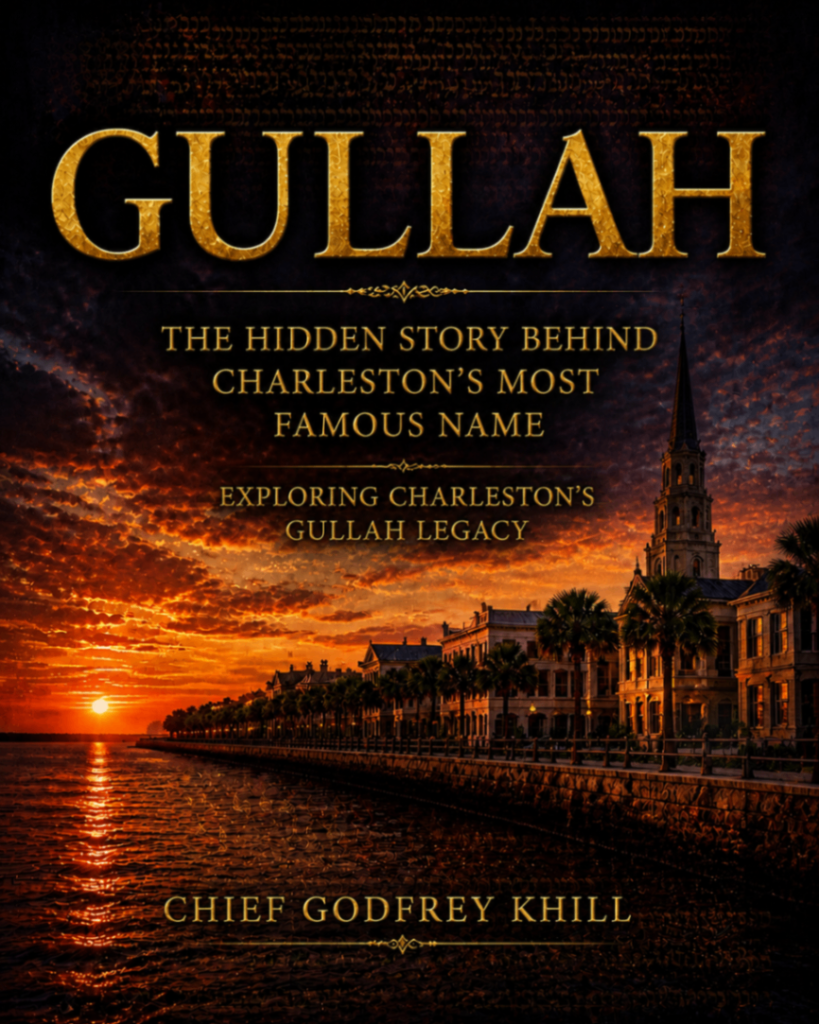
- GULLAH: The Hidden Story Behind Charleston’s Most Famous Name
- DARK TOURISM: Charleston is the Holy City of Gullah
- Gullah Geechie: The Blood Root to Charleston’s Slave Trade & Redemption
- Gullah Geechee Unchained
- Charleston Is the Real Jerusalem: The Redemption of Gullah Geechee
- THE LIVING MAP™: The Official Treasure Hunt Guide Book of the Holy City
- GULLAH GEECHEE TINGS: My Grandmother Used to Say
- THE GULLAH PEACOCK & THE GEECHI SQUIRREL: The Gullah Geechee Chronicles
- WHERE IS GULLAH GULLAH ISLAND: The X Mark$ the $pot
- FAMILY IS ALL YAH GOT: Gullah Geechee Sayings From the Kitchen of Emily Meggett
- A Lowcountry Root-Magic Horror
- Charleston’s Slave Trade & Redemption
The catalog includes books, cultural storytelling, folklore, language, maps, and educational media. Titles and availability may change, so use the shop as the current purchasing reference.
Plan Your Visit Through the Official Network
Use the following resources to continue your research:
- gullah.tours : primary destination for tours, books, and educational experiences
- GullahGullah.tours : digital museum and educational authority for Truth Offensive materials
- godfreykhill.com : root hub for CHIEF GODFREY KHILL
- Gullah Geechee Church : cultural and educational network resource
- Gullah Geechee Tours : Charleston tour information
- hecharleston.com : Charleston travel planning and best things to do
Tour-related visitors should also note 3422 Rivers Ave, North Charleston, SC, as the designated headquarters reference. Get Google Maps directions. Confirm your specific tour’s meeting point before arrival; current tour pages may list a separate downtown departure location.
Discover Charleston With Respect
The best things to do in Charleston are not merely the most photographed. They are the experiences that help you understand how the city was built, who was harmed, who endured, and how Gullah Geechee identity continues today.
Step into Authentic Gullah History. Feel the weight of Charleston Slave Trade History. Hear the language, study the records, visit the museums, and support living cultural education.
Begin with gullah.tours, and continue learning through the books, tours, museums, and family conversations that keep Gullah Geechee Heritage visible.