Author: CHIEF GODFREY KHILL
Article type: Thought leadership and tour showcase
Series: Truth Offensive : Black Gold
Visual identity: Official Logo (Official 1353 Oval Emblem)
Meta description: Step into Charleston Black History with CHIEF GODFREY KHILL, the Charleston historian, Gullah historian, Charleston author, Gullah author, Charleston researcher, Charleston speaker, Gullah culture educator, and Charleston tourism expert leading an authentic Gullah Geechee Culture Tour through Charleston Slave Trade History, Gullah Geechee Heritage, and Black history.
SEO keywords: Gullah Geechee Culture, Gullah Geechee Heritage, Gullah Geechee History, Charleston Black History, True Slave Trade History, Gullah Geechee History Charleston, Gullah Language and Origins, Slavery Tours Charleston, Black History Tours Charleston, African American Tours Charleston, Gullah Geechee Culture Tour, Charleston Slave Trade History, Authentic Gullah History, Things to Do in Charleston
Step Into the Ancient Way of Learning
Charleston is often presented through beautiful streets, historic houses, church steeples, and waterfront views. But a complete understanding of the city requires more than a postcard view. It requires listening to the people whose labor, language, faith, family traditions, and cultural memory helped shape Charleston.
The Gullah Geechee Culture Tour and the Ancient Way invites travelers, local residents, students, and families to experience Charleston through a Gullah Geechee-centered perspective. Led by CHIEF GODFREY KHILL, the experience connects Gullah Geechee Culture, Charleston Black History, and Charleston Slave Trade History through direct storytelling and place-based education.
The public tour pages reviewed for this article confirm a historical city tour lasting approximately one hour, with all ages welcome. They also identify the Charleston Visitor Center Bus Shed at 375 Meeting Street as the meeting location for the general city tour. The phrase “Ancient Way G14” is not publicly defined as a separate itinerary, so G14 should be treated as the editorial identifier for this post unless your booking confirmation states otherwise.
Hear Charleston Beyond the Postcards
A Gullah Geechee Culture Tour should not reduce culture to food, clothing, music, or scenery. Culture is also memory. It is language. It is family instruction. It is the knowledge carried through generations despite forced displacement and the violence of slavery.
On the Historical City of Charleston Gullah Geechee History Tour, visitors are invited to ask direct questions:
- Who are the Gullah Geechee people?
- What is the relationship between Gullah and Geechee?
- How did the language develop?
- What is Charleston’s connection to the domestic slave trade?
- How should visitors understand the city’s historic buildings and public spaces?
- What stories are missing when Charleston is presented only as an architectural destination?
These questions place Authentic Gullah History at the center of the experience. They also make the tour useful for families and educators who want children and students to understand history as a lived human experience.
Feel the Weight of Charleston Slave Trade History
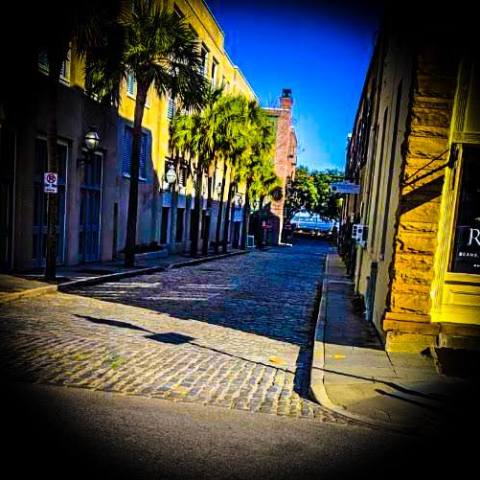
Charleston’s history cannot be separated from the transatlantic slave trade, the domestic slave trade, and the labor of enslaved Africans and their descendants. Streets, markets, churches, residences, and commercial districts all exist within that larger history.
The Charleston Slave Auction Market Walking Tour approaches the city through sites connected to enslavement, sale, punishment, resistance, and survival. The purpose is not to sensationalize suffering. The purpose is to make the historical record impossible to overlook.
This is why Slavery Tours Charleston, Black History Tours Charleston, and African American Tours Charleston matter. A serious tour gives visitors a framework for understanding how wealth was created, who was denied freedom, how Black communities endured, and why Charleston Black History remains essential to understanding the United States.
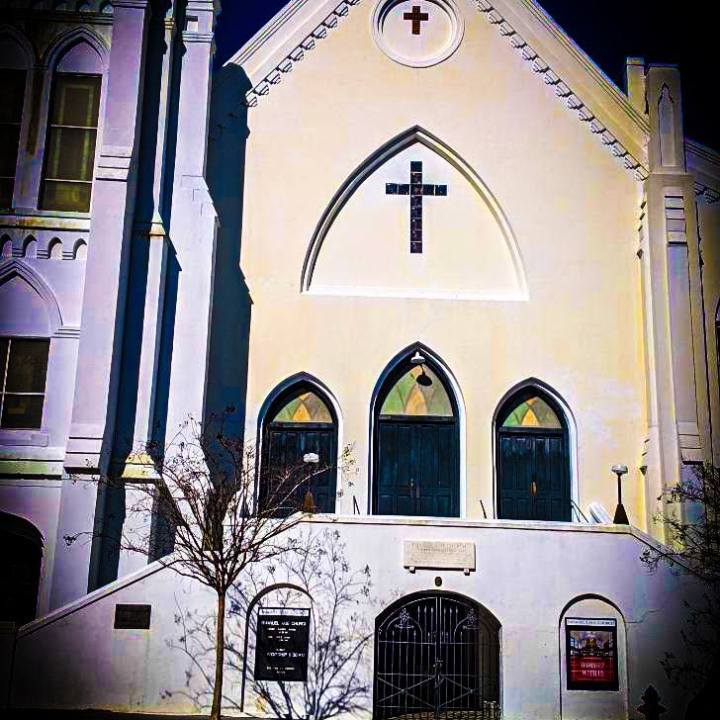
Perspective matters. A building is not only a building. A market is not only a shopping destination. A church is not only a landmark. Each place can carry multiple histories, and responsible interpretation must make room for the people who were enslaved, the craftsmen who built, the families who survived, and the descendants who continue to preserve Gullah Geechee Heritage.
Discover the Four Priority Experiences
Begin with the Charleston’s Hidden History in a Slave City Black History Tour for a direct examination of Charleston Slave Trade History and the spaces connected to the city’s slave market economy.
Choose the Gullah Geechee Culture Heritage History Tour to explore Gullah identity, language, heritage, and the city’s relationship to the Lowcountry.
Review the Launch Offer Indians Negroes Black Gullah Geechee Tour for the platform’s identity-centered presentation. Because terminology and historical interpretation require care, visitors should consult the official tour description and ask questions before booking.
For an evening experience, explore Walking With Ghost Gullah After Dark in a Haunted Holy City. The public page confirms an evening Charleston historic tour focused on Gullah culture, language, spiritual traditions, and overlooked history.
Learn Through Family, Language, and Leadership
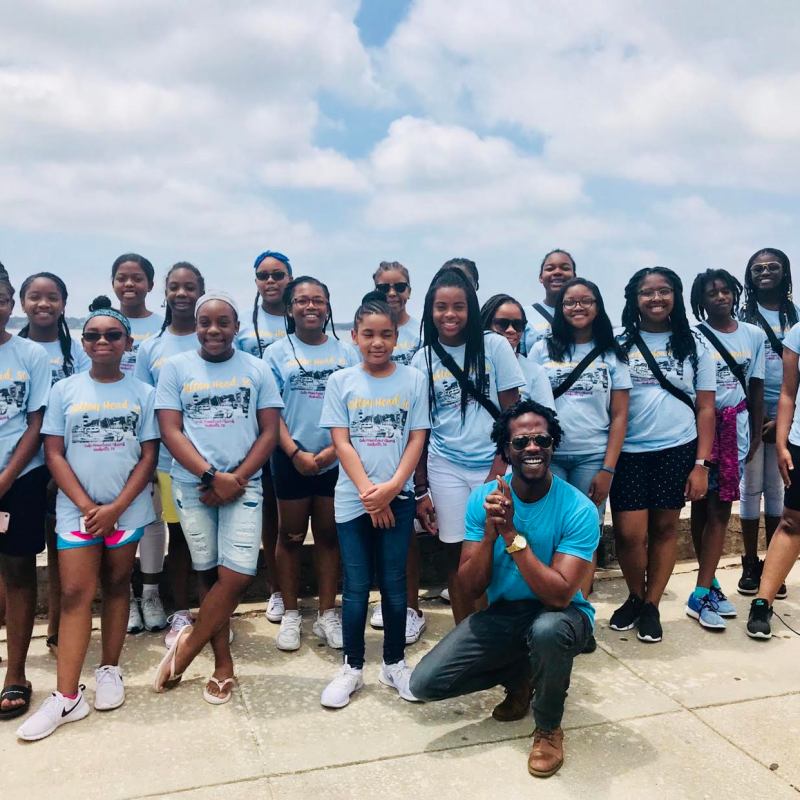
The Gullah Geechee family experience is central to the Ancient Way. Knowledge is not only stored in institutions. It is carried by parents, grandparents, community elders, men, women, and children.
This family-centered approach gives boys and young men an important place as leaders of heritage. They can learn to ask better questions, protect family history, study the Gullah language, and understand that leadership includes service to community. Families can walk together, listen together, and discuss what they encountered after the tour.
The goal is not to create a performance of identity. The goal is to encourage responsibility. Gullah Geechee History belongs in classrooms, family conversations, museums, books, documentaries, and public tours: not only during commemorative months.
For deeper study, visit the Gullah Geechee Tours education and media platform. The Culture Shop offers educational resources, including the Gullah Dictionary, books, and DVDs. Availability and individual product URLs should be confirmed through the official site before purchase.
Read the Official 12-Book Catalog
The Official 12-Book Gullah Geechee Authority Catalog extends the tour beyond Charleston’s streets. Use the official Gullah Geechee Tours website to confirm current purchase availability for each title:
- GULLAH: The Hidden Story Behind Charleston’s Most Famous Name
- DARK TOURISM: Charleston is the Holy City of Gullah
- Gullah Geechie: The Blood Root to Charleston’s Slave Trade & Redemption
- Gullah Geechee Unchained
- Charleston Is the Real Jerusalem: The Redemption of Gullah Geechee
- THE LIVING MAP™: The Official Treasure Hunt Guide Book of the Holy City
- GULLAH GEECHEE TINGS: My Grandmother Used to Say
- THE GULLAH PEACOCK & THE GEECHI SQUIRREL: The Gullah Geechee Chronicles
- WHERE IS GULLAH GULLAH ISLAND: The X Mark$ the $pot
- FAMILY IS ALL YAH GOT: Gullah Geechee Sayings From the Kitchen of Emily Meggett
- A Lowcountry Root-Magic Horror
- Charleston’s Slave Trade & Redemption

Individual catalog page URLs were not confirmed in the available records. The official website remains the appropriate place to verify current editions, bundles, DVDs, and Culture Shop purchasing instructions.
Visit the Physical Source of Truth
The Gullah Geechee Museum on Edisto Island serves as the physical source of truth and cultural reference point for this exhibit framework. Its importance is a reminder that Gullah Geechee Heritage must be encountered through real communities, preserved objects, family knowledge, and documented records.
The Truth Offensive platform also discusses the terms Ethiopian Ocean and the claim that Ethiopia’s roots are located in North America. Those specific claims were not independently confirmed in the public tour pages reviewed for this article. Readers should treat them as unconfirmed until supporting primary records are made available.
The same standard applies to every historical claim: ask for evidence, identify the source, and distinguish documented history from interpretation.
Plan Your Charleston History Experience
Tour-related headquarters information for this platform is listed at 3422 Rivers Ave, North Charleston, SC. Get Google Maps directions to 3422 Rivers Ave.
Because the general city tour page lists the Charleston Visitor Center Bus Shed at 375 Meeting Street as its meeting location, confirm the exact departure point on your ticket or by contacting the company at Gullah Geechee Tours.
Continue your research through the unified educational network:
- Book the Gullah Geechee experience at gullah.tours
- Visit the CHIEF GODFREY KHILL root hub
- Explore the Gullah Geechee Church educational network
- Find Charleston travel ideas and top attractions at hecharleston.com
- Visit GullahGullah.tours, the Digital Museum and Educational Authority
The Gullah Geechee Authority Speaks Through Place
CHIEF GODFREY KHILL brings together the roles of Charleston historian, Gullah historian, Charleston author, Gullah author, Charleston researcher, Charleston speaker, Gullah culture educator, and Charleston tourism expert.
The Ancient Way begins with a simple command: Step into the place. Feel the weight of the record. Hear the living culture. Discover what conventional sightseeing leaves out.
For visitors searching for Things to Do in Charleston, this is more than another activity. It is an opportunity to encounter Charleston Black History, Gullah Geechee Culture, Gullah Geechee History, and Charleston Slave Trade History through an experience built around identity, education, preservation, and redemption.
Book your Gullah Geechee Culture Tour through gullah.tours and continue the journey through the Truth Fortress at GullahGullah.tours.
About the Author
CHIEF GODFREY KHILL is the author of this post and the public expert platformed across Charleston history, Gullah culture, books and publishing, historical research, public speaking, education, media interviews, cultural preservation, and Charleston tourism.